Done and Undusted

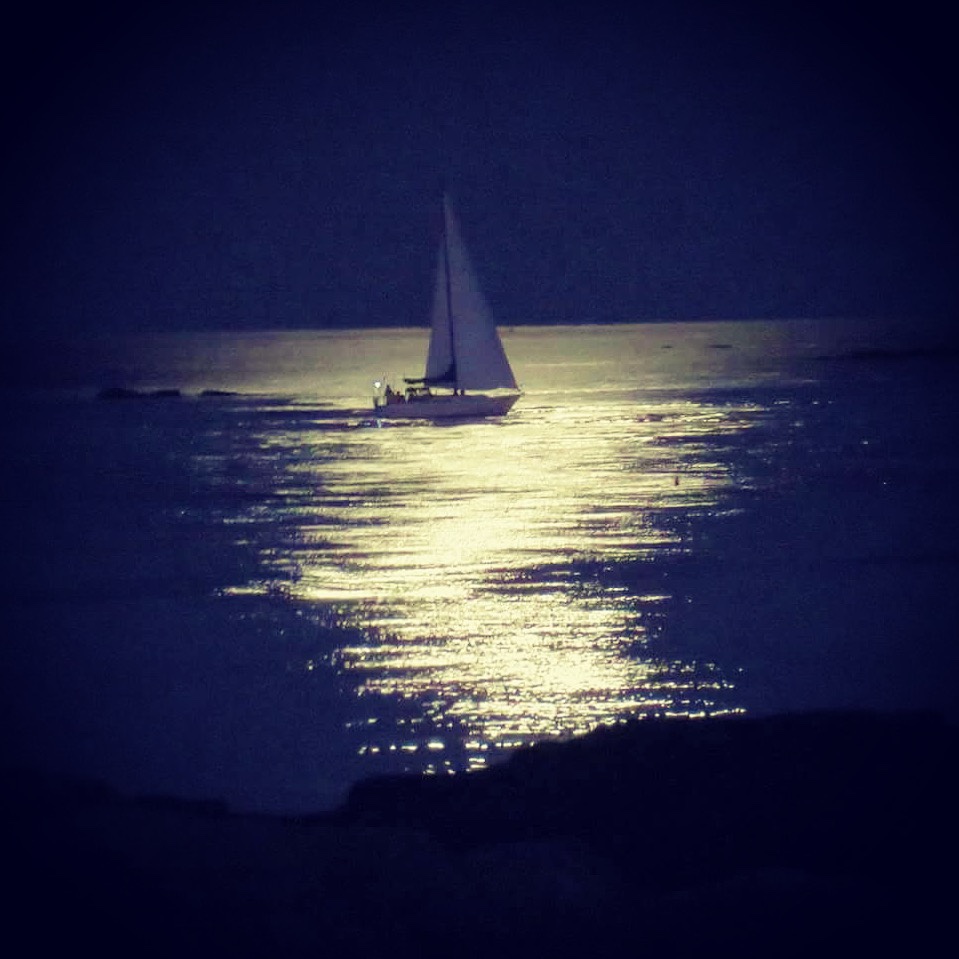
Every living and growing thing is a work in progress, as are most inanimate and many unseeable things. Tulip bulbs and time-smoothed rocks. Reflections, both visible and internal. A trip by land or sea or sky. Quilts , from the sketching to the sewing process. Sunrise. Anger. Taste in art and novels. Betrayal and trust, both in the building and in the breach.

Landscapes and visitors to them. Altitude and attitude.

Hope and regret and resignation.

Memories. Love.

Lunch.

Even when something’s done and dusted–including long after I’ve pressed “publish”–everything I write remains a work in progress. When I revisit an old post, or a brief I filed decades ago, I often wince at something that could have been better said.

Each post I’ve made in the past many months has required a scandalous number of revisions–not because of a change in the way I write, but because of changes in me. (Although I suspect that is a chicken-and-egg construct for most people who write).
The writer I am in the moment is never the writer I was in the past. Sometimes, for better and worse, I hardly recognize prose as mine. I’m occasionally pleasantly surprised. (More often, I think, “How could I have missed that mistake when I read my draft aloud . . . four times?”)

Every living and growing thing is a work in progress, as are most inanimate and many unseeable things. Tulip bulbs and time-smoothed rocks. Reflections, both visible and internal. A trip by land or sea or sky. Quilts , from the sketching to the sewing process. Sunrise. Anger. Taste in art and novels. Betrayal and trust, both in the building and in the breach.

The quilts I’ve sewn since I was ten are, by their nature, works in often reductive progress. The better loved a baby quilt, the more it tends to emerge from its recipient’s childhood in a very different and diminished physical state (not unlike its seamstress). It begins and ends in pieces.

The process of handmaking a quilt, followed by a child’s enthusiastic use of it, is like a Riddle of the Sphinx writ in 100% cotton prints. The binding at the quilt’s edges–always the final touch when making it–is almost always the first to go. Its tightly woven threads are worn away by tiny hands grasping it for comfort. Entire brightly-colored applique shapes sometimes follow suit, fading and letting go like petals once they have been loved back to exhausted pieces. The hand-stitched threads that secured them can only take so much love and laundering.

This goes for my photographs, too, in a way. I now take photos in somewhat less absurd quantities than I acquire fabric. My early landscape and seascape photos were . . . not good. I tended to emulate my longtime Deering camp friends’ band motto–“Quality through volume.” But along the way, I grew from sheer practice to be able to frame shots. To catch the ephemeral when it was willing to be caught. To wait patiently, no matter what was buzzing and slithering and stinging nearby . To appreciate what was temporarily in my sight, and that a rushed shot would not enhance my chances of preserving something special.

This morning was summer-steamed, shrouded in deep gray mist. But I thought I spotted a visitor to a darkened house just off a very busy main road. From a distance, I quietly zoomed in and took a single photo.

I may still have work to do, but the fawn posed perfectly before loping away.

I couldn’t have improved on it.

Looking Over

The more rarefied the vantage point, the rarer (and hence ordinarily overlooked) is the view.

I once followed waterfalls, hiking through woods to a mountaintop garden in New Hampshire’s Ossippee Mountain Range. The mountains were rendered in green at street level, but bathed in bright blue from on high.

This rose stretched exuberantly at the Castle in the Clouds that Father’s Day. Like an outgoing youngest child in a large family, it launched itself above its brethren and refused to be overlooked.

It was not so very far from Mt. Washington, which my husband and I had tried to climb on our 15th wedding anniversary. Ultimately we had to give up on seeing the sights from the highest vantage point in New Hamspshire available to mere mortals. I had insufficient ballast, and was no match for fierce winds across a broad open expanse of rock. It was too difficult to hold onto my steady spouse, and I was nearly swept off the mountain’s face.

(The nearby Mt. Washington Hotel is sometimes mistaken for a very different overlook: The Shining‘s Overlook Hotel; I can assure you the White Mountains’ version is far more serene).

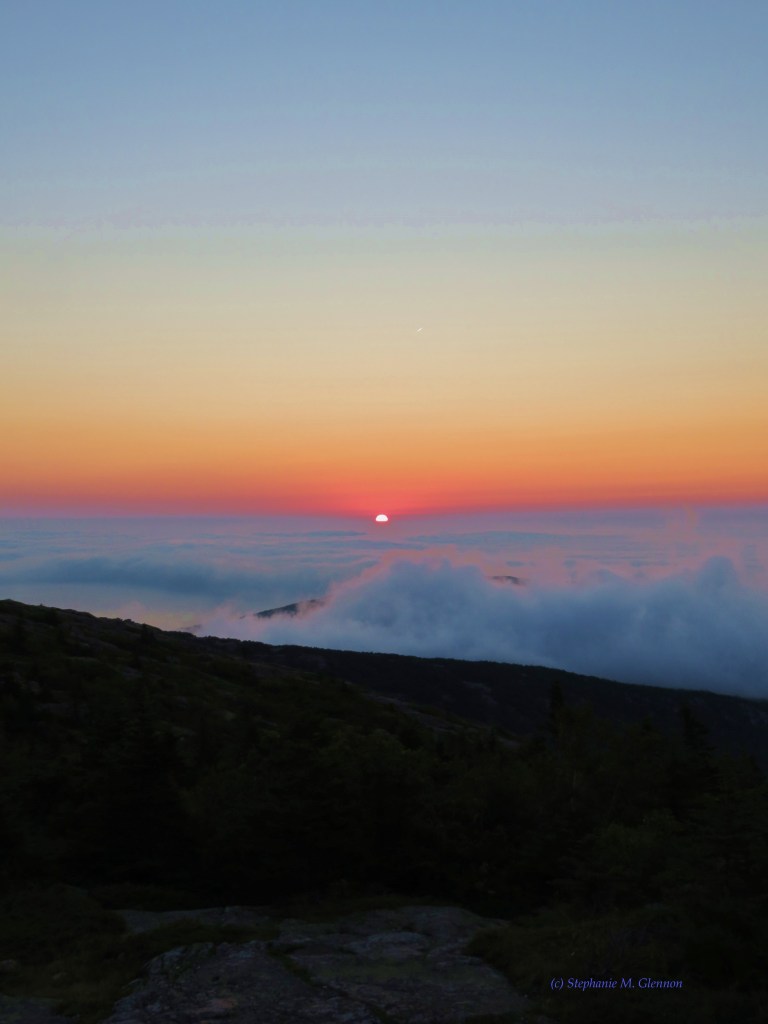
Sometimes I have found myself in thinner air, overlooking a golden world as the sun sets. Or walking through seas of swirling pastel clouds atop Acadia’s Cadillac Mountain, taking in the Northeast’s crown view of a rising sun.

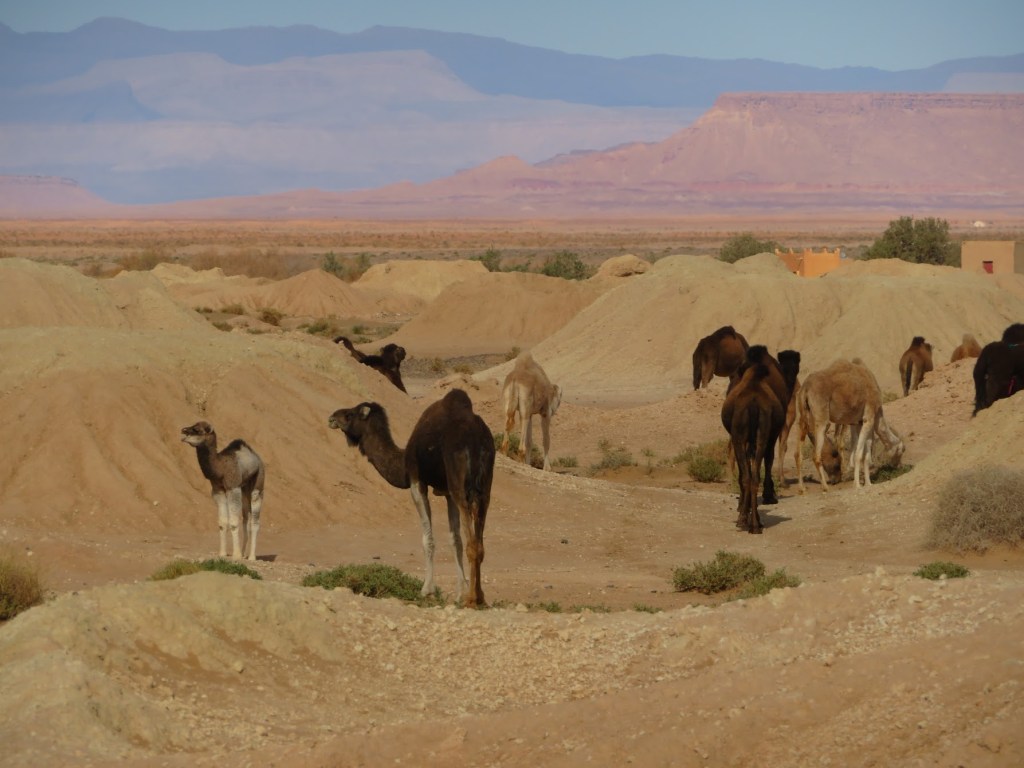
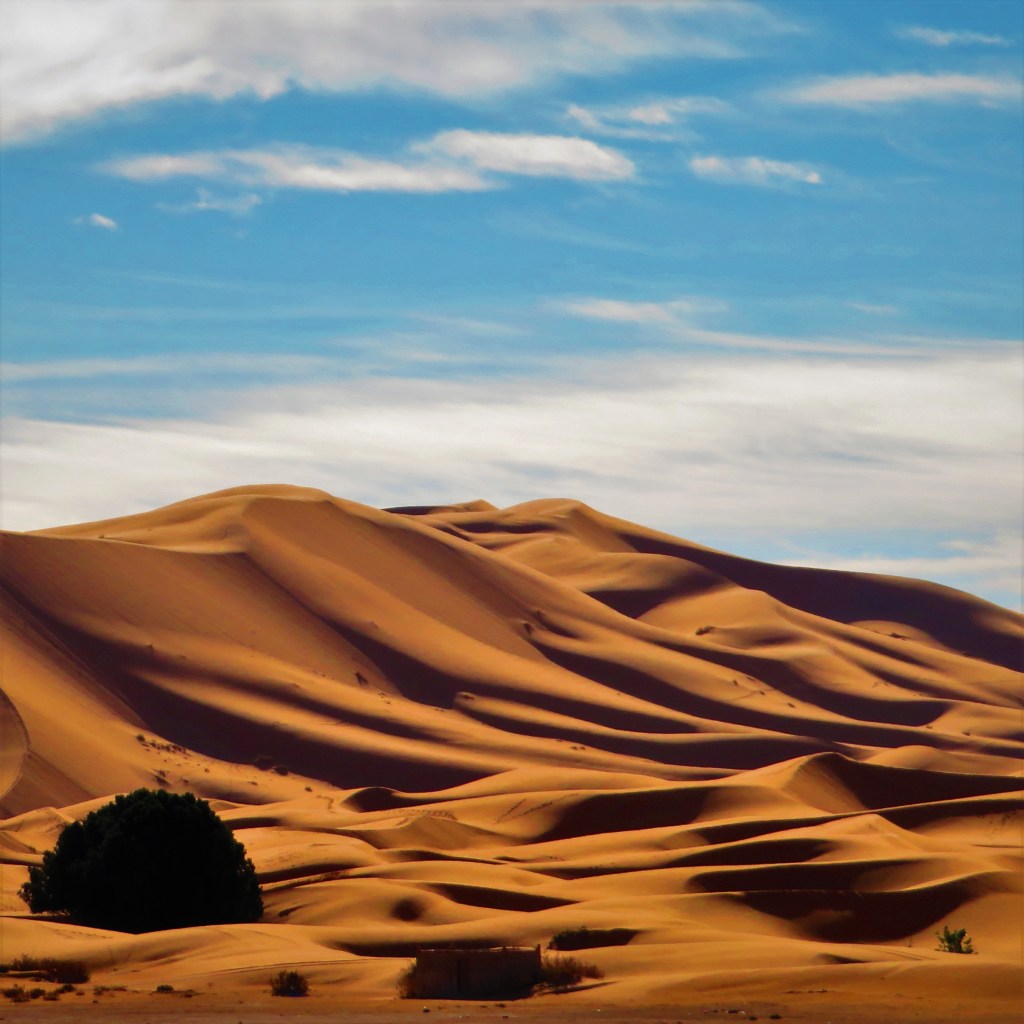
In more recent years, I’ve looked over land and sea and sandscapes from atop camels and towering dunes. From watchtowers and volcanic islands. I’ve surveyed ancient blue and pink cities and violet seas from slitted holes in stone castles and fortresses.

From a distance of many years, I realize I’ve found myself climbing ever-farther upwards on such days.

At dizzying heights, I feel closer to my missing piece. He frequently took photos from such spots when he was here with us, on “earth, our heaven, for a while.” Words I read from Mary Oliver’s “A Pretty Songat his service.

In some ways, we can best see what we’re missing from on high. Where the heady view is also heavenly.

A man looking out over the City of Lights with his daughters, not knowing it would be the last time. The same man on a Equatorial island cliff, knowing it was for the last time, and seeing the rarest of Pacific nesting birds.

One of my children recently told me of Sgùrr Dearg, where we earthbound folks may survey both very present Puffins and great swaths of the visible world from the Inaccessible Pinnacle.

If she climbs it someday, I hope she’ll send me a picture of what she overlooks.

Unbound and Unbroken

Frigates in Flight at Sunset, San Cristóbal, Galápagos (c)2010 James Glennon

“Red-tailed hawk shooting down the canyon, put me on that wind he rides….”

John Hiatt, “Before I Go,” Crossing Muddy Waters

Unbound.

It can mean unmoored, which has a negative cast. A seacraft untethered and adrift. People disconnected from the beings and world around them.

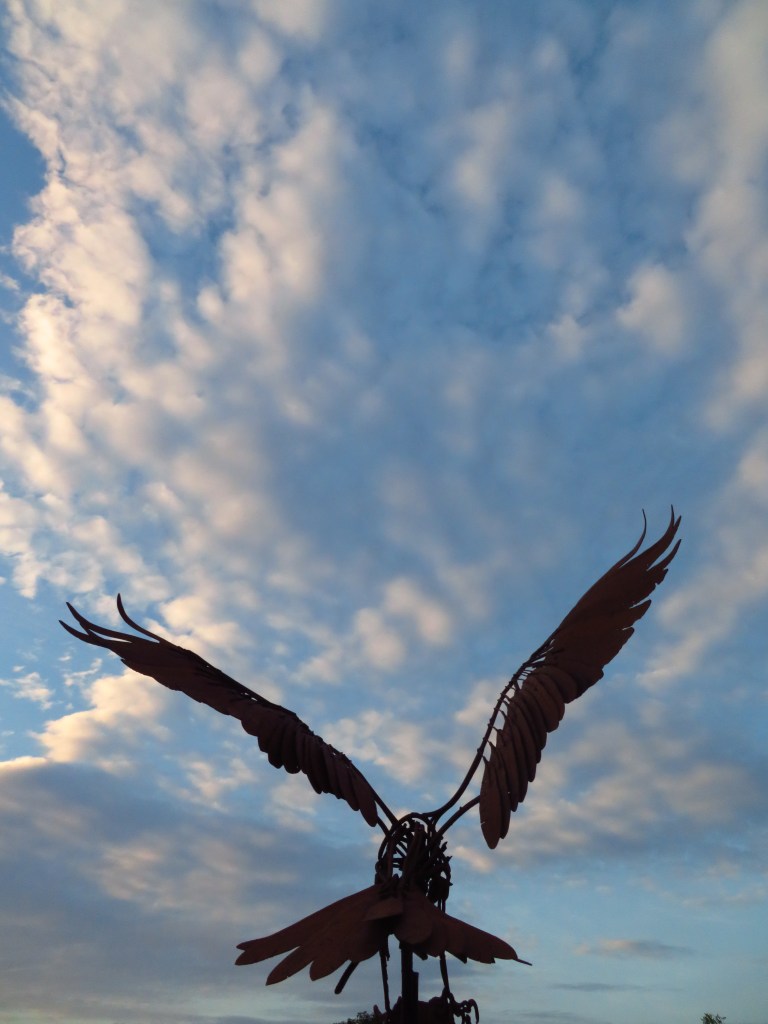
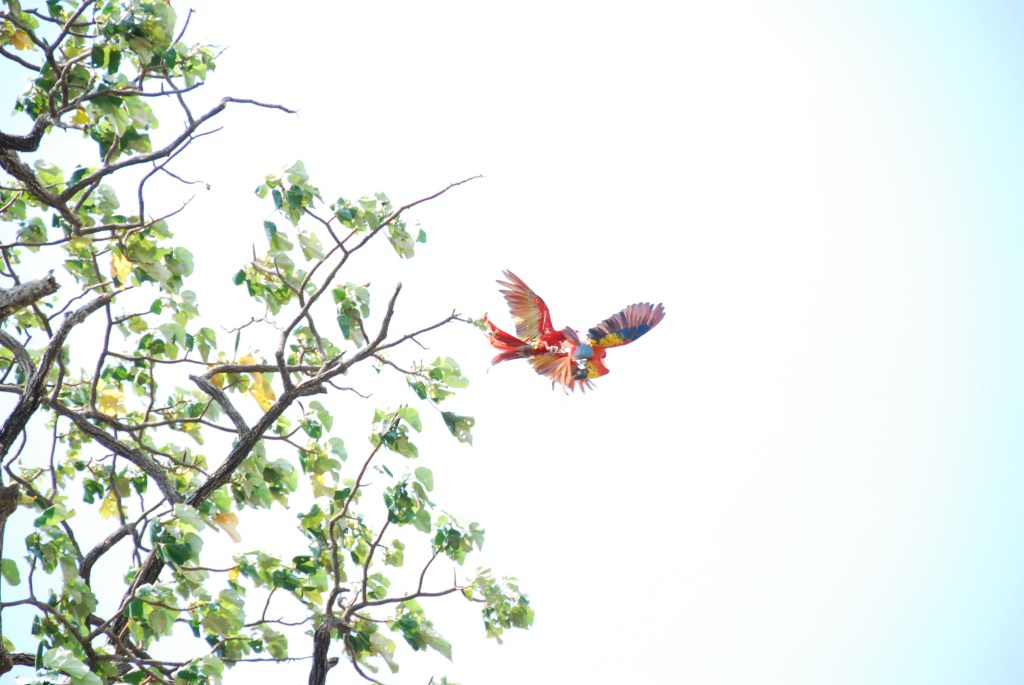
But, like John Hiatt’s red-tailed hawks, it can also mean soaring, not constricted in movement or by gravitational pull. Floating and exploring in wide open spaces. In free flight, not freefall.

Sails and netting unfurling and clouds and banners weaving their way across a cloudless sky. Ribbons of fish. Animals safely roaming.

Unbounded.

Sea lions voguing. Starlings’ murmurations.

Voices carrying, over time and space. In gentle reminders and spirited song and animated discussion.

Breaking free. Taking off.

Dreams. Hope.

Grief.

Love.

Looking Over

The more rarefied the vantage point, the rarer (and hence ordinarily overlooked) is the view.

I once followed waterfalls, hiking through woods to a mountaintop garden in New Hampshire’s Ossippee Mountain Range. The mountains were rendered in green at street level, but bathed in bright blue from on high.

This rose stretched exuberantly at the Castle in the Clouds that Father’s Day. Like an outgoing youngest child in a large family, it launched itself above its brethren and refused to be overlooked.

It was not so very far from Mt. Washington, which my husband and I had tried to climb on our 15th wedding anniversary. Ultimately we had to give up on seeing the sights from the highest vantage point in New Hamspshire available to mere mortals. I had insufficient ballast, and was no match for fierce winds across a broad open expanse of rock. It was too difficult to hold onto my steady spouse, and I was nearly swept off the mountain’s face.

(The nearby Mt. Washington Hotel is sometimes mistaken for a very different overlook: The Shining‘s Overlook Hotel; I can assure you the White Mountains’ version is far more serene).

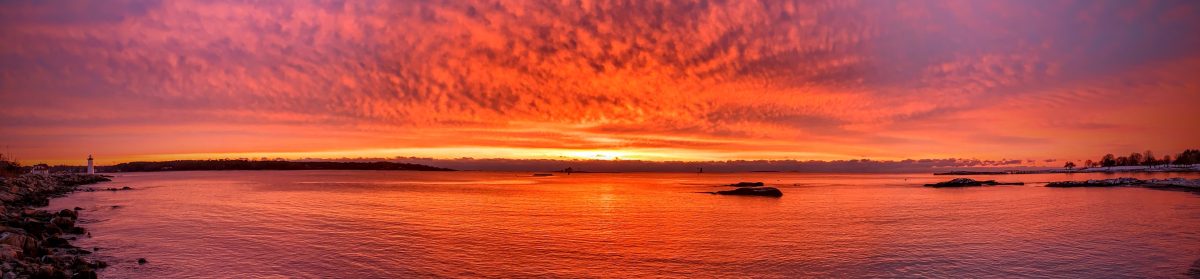
Sometimes I have found myself in thinner air, overlooking a golden world as the sun sets. Or walking through seas of swirling pastel clouds atop Acadia’s Cadillac Mountain, taking in the Northeast’s crown view of a rising sun.

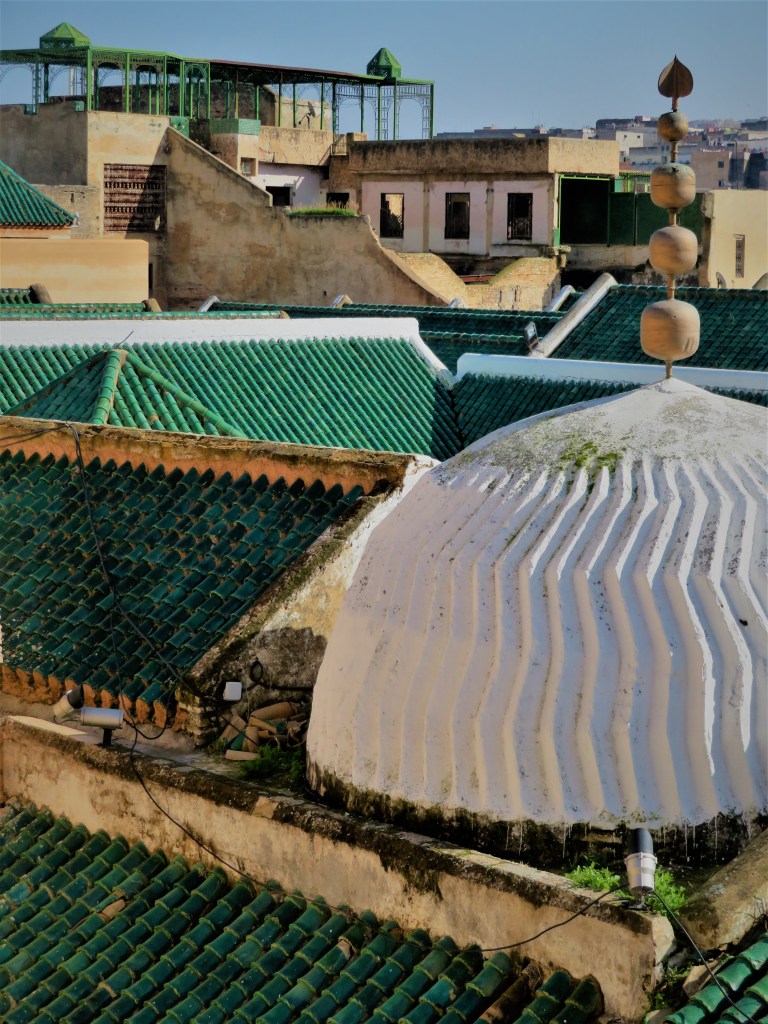
In more recent years, I’ve looked over land and sea and sandscapes from atop camels and towering dunes. From watchtowers and volcanic islands. I’ve surveyed ancient blue and pink cities and violet seas from slitted holes in stone castles and fortresses.

From a distance of many years, I realize I’ve found myself climbing ever-farther upwards on such days.

At dizzying heights, I feel closer to my missing piece. He frequently took photos from such spots when he was here with us, on “earth, our heaven, for a while.” Words I read from Mary Oliver’s “A Pretty Songat his service.

In some ways, we can best see what we’re missing from on high. Where the heady view is also heavenly.

A man looking out over the City of Lights with his daughters, not knowing it would be the last time. The same man on a Equatorial island cliff, knowing it was for the last time, and seeing the rarest of Pacific nesting birds.

One of my children recently told me of Sgùrr Dearg, where we earthbound folks may survey both very present Puffins and great swaths of the visible world from the Inaccessible Pinnacle.

If she climbs it someday, I hope she’ll send me a picture of what she overlooks.