Stupendous Serendipity

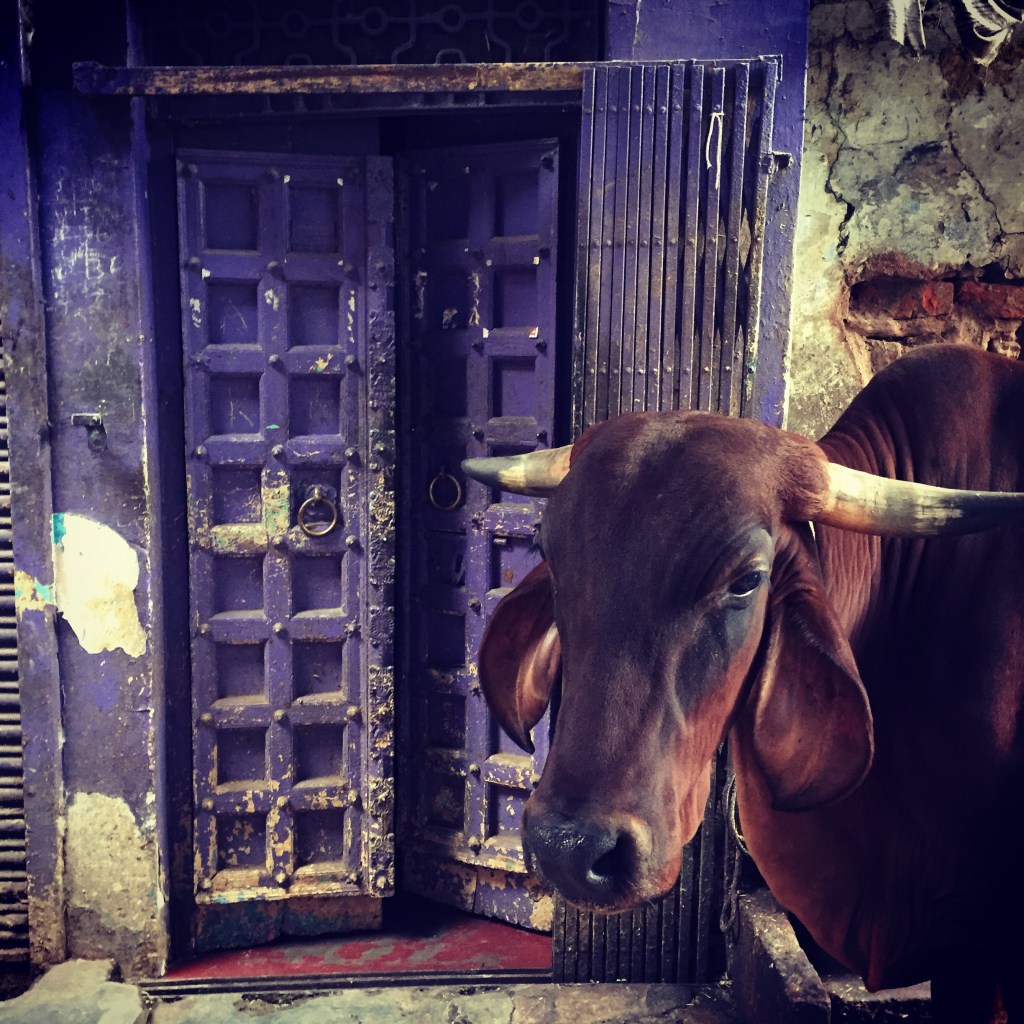
Water Buffalo, Varanasi, Uttar Pradesh

I didn’t catch his name, but will never forget his face and gaze. I saw him while navigating a human crowd in Varanasi. (The population density there, per square mile, is more than twice the average elsewhere in India.)

Greg Brown wrote many songs that stay with me, but a single lyric revisits me more than any other: “I could be to you, or you could be to me just another face in the crowd.

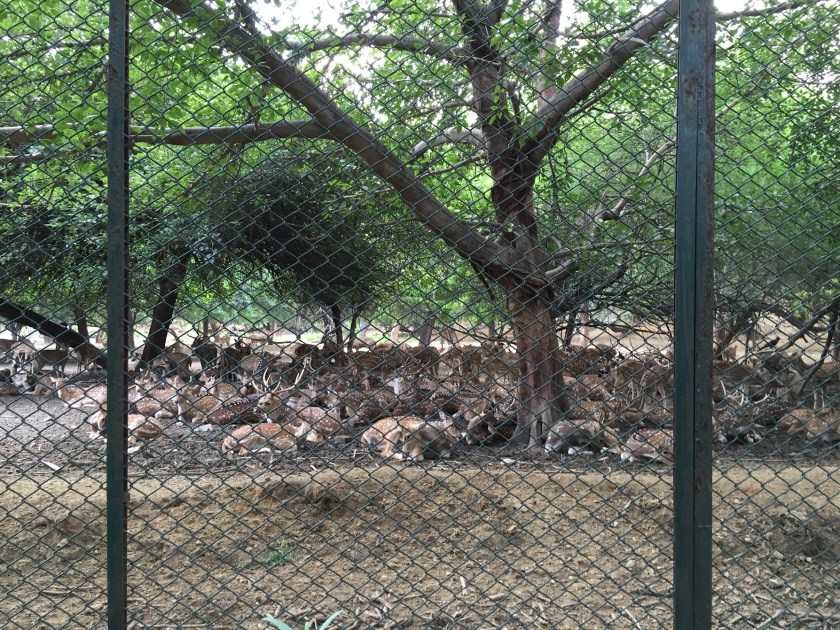
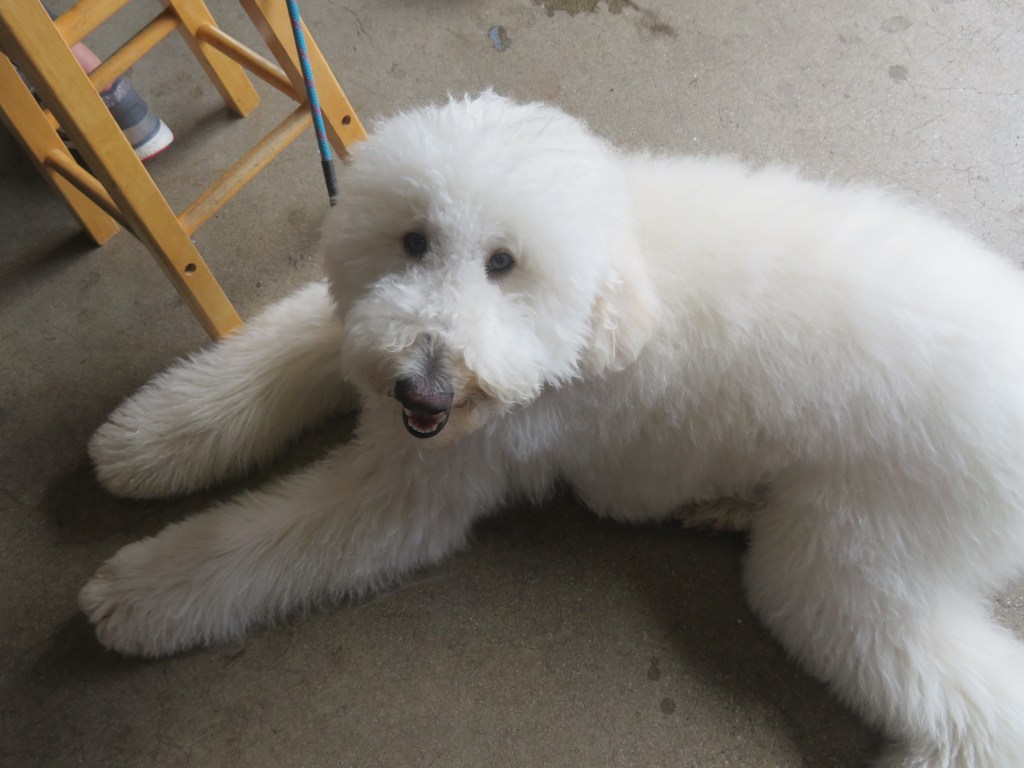
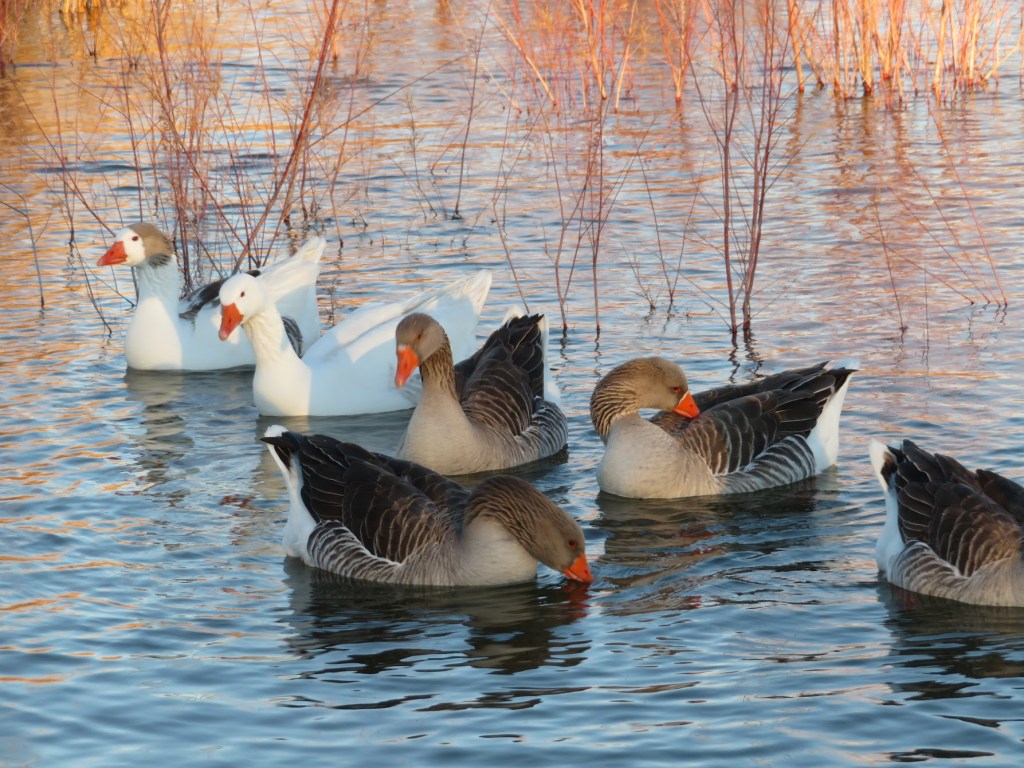
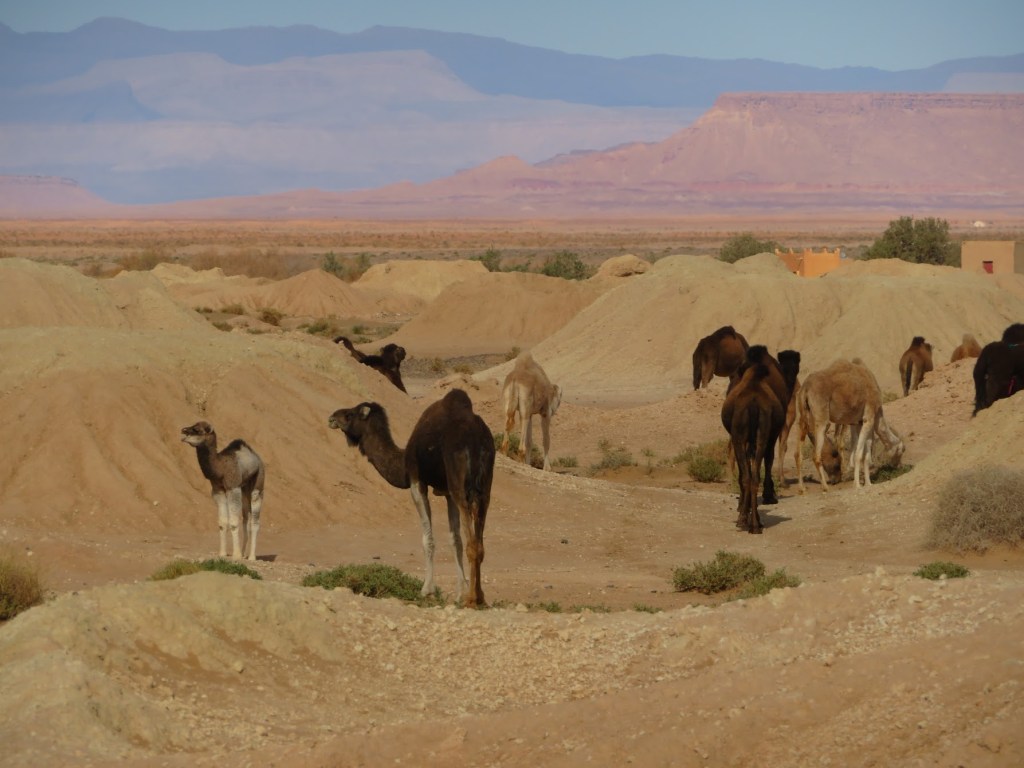
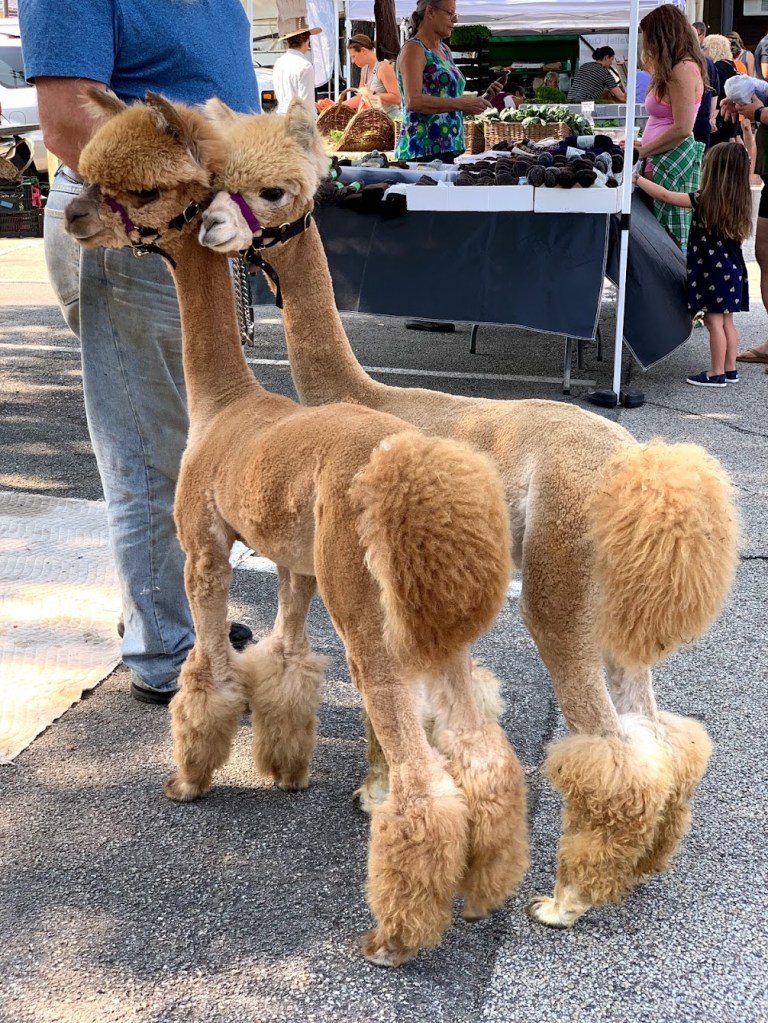
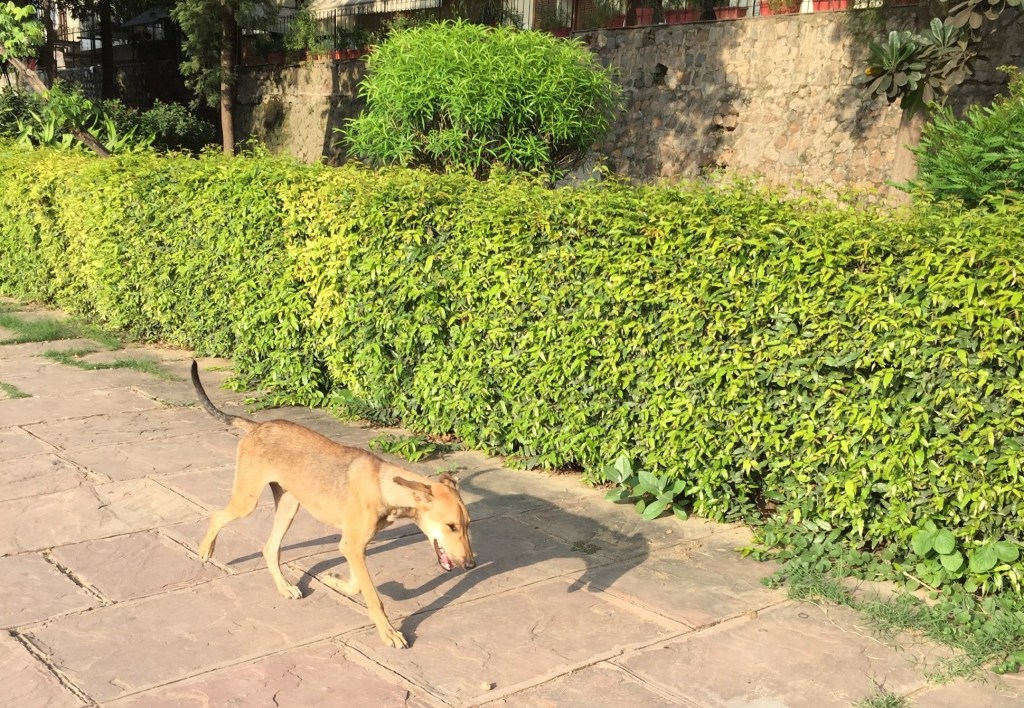
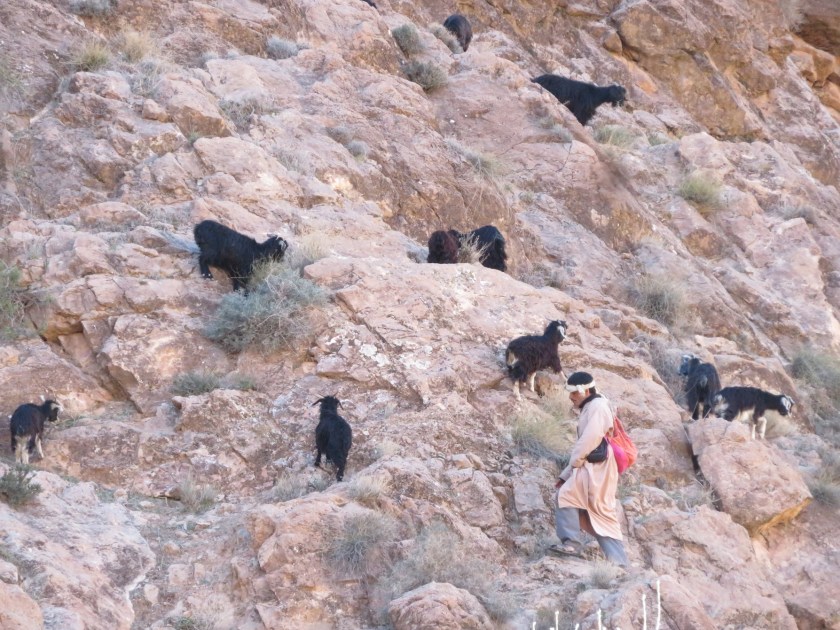
I realize that I do not take pictures of crowds, and rarely photograph individual humans. But I frequently photograph animals who stand out in crowds. A giant floof at a hopping brewery. Llamas at a Farmers’ Market. Flocks and murmurations of birds. Seagulls contemplating sunrise. Dogs walking themselves on congested city streets. Deer Park in Delhi. A young man tending to a gaggle of goats in Morocco. Camels surveying their kingdom.

These are all serendipitous encounters.
Indeed, I rarely take pictures of people, let alone crowds of them. When I find myself in a crowd, my camera seeks out the visible wonders above the fray or beneath my feet. I wonder if it is a product, or projection, of the high value I put on privacy, and against unvolunteered disclosure.
There are exceptions.

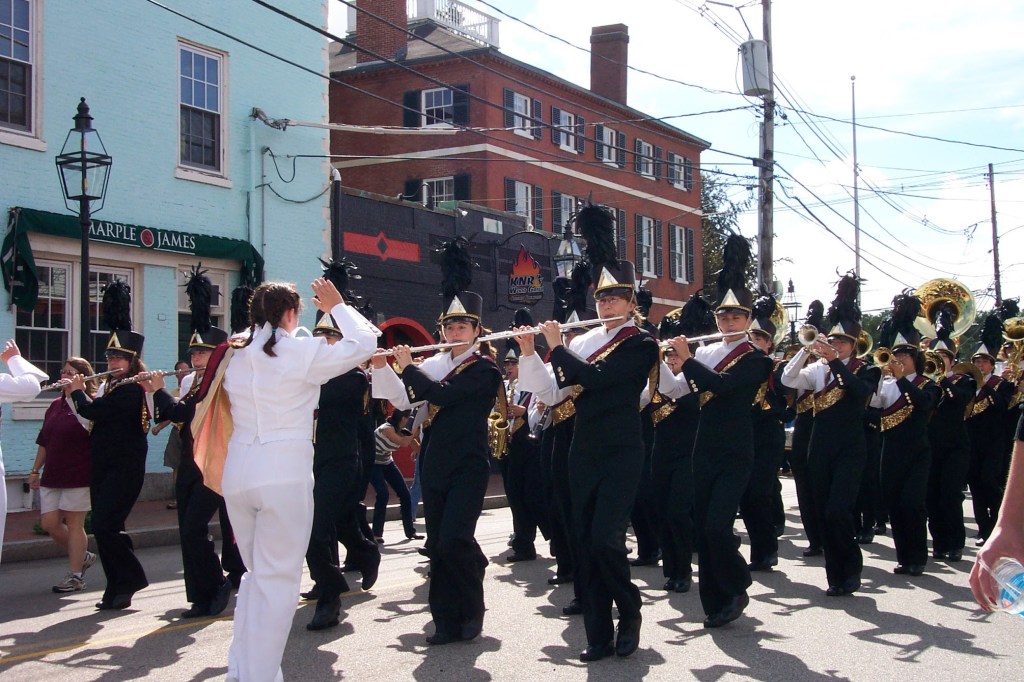
From any angle and distance, I can pick out one of my children gathering a diploma in a crowd of tens of thousands, or marching in rows of identically outfitted students in a dance troupe or marching band.
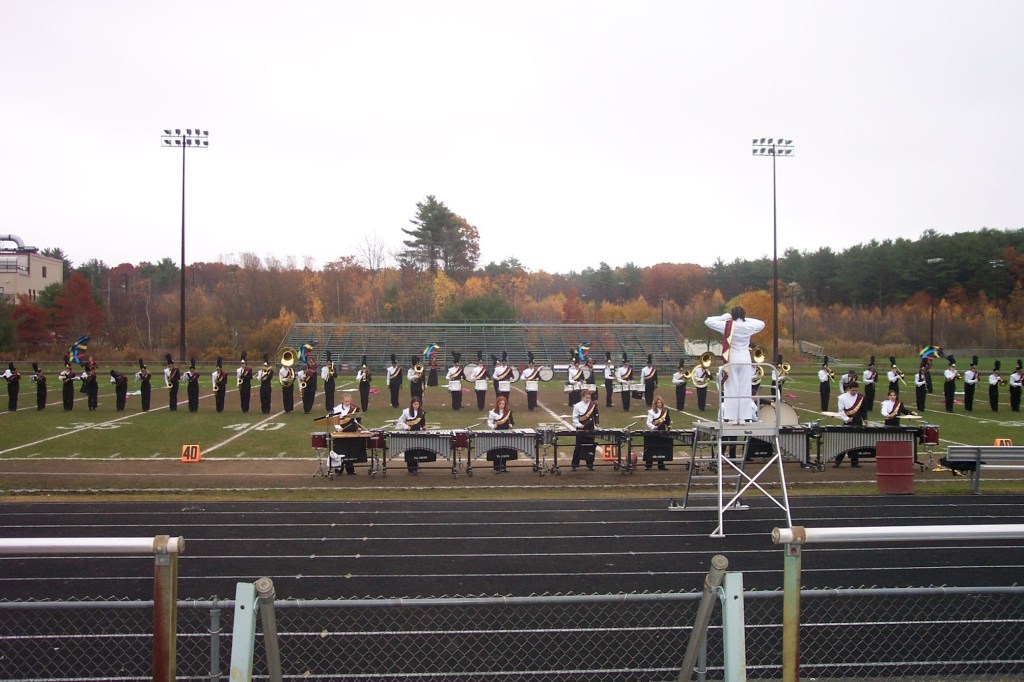
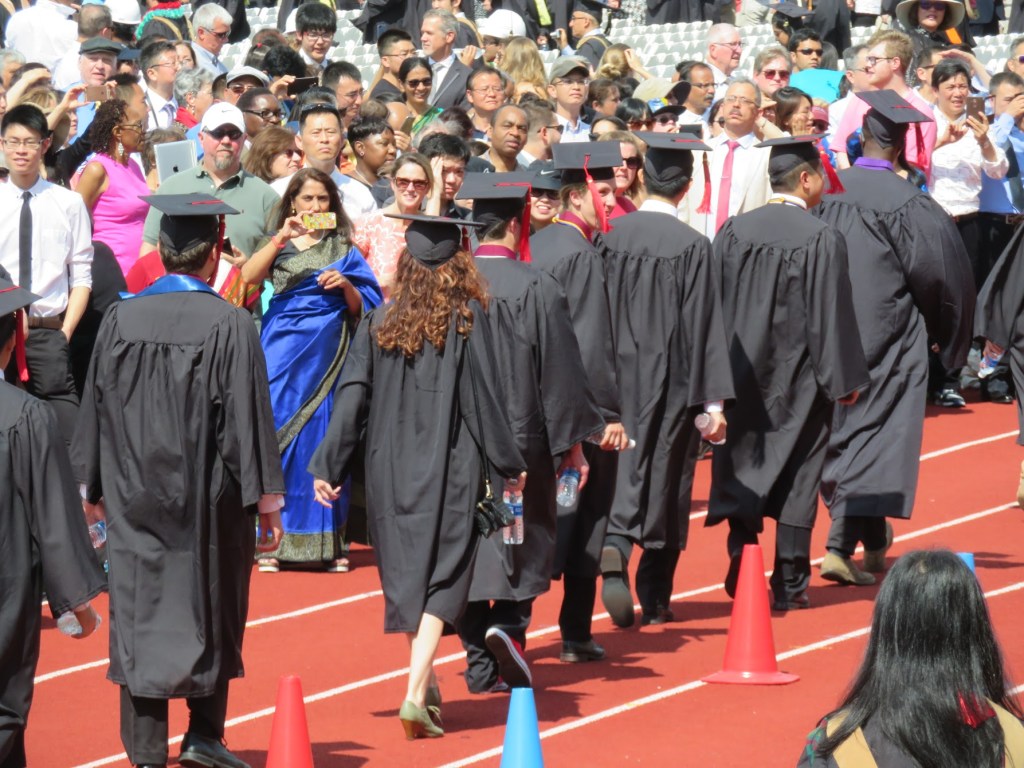
Serendipity tends to play a significant role in the most important decisions in our lives. My late husband would have been just a face in the crowd had he not spent a disappointing weekend with hard-drinking frat boys at the college he planned to attend, and instead ended up in New Jersey, where I met him in a laboratory course. I would not have been in that class had our undergraduate institution not required us liberal artsy types to take some solid science subjects. Or had I not visited that school in full-on cherry blossom season, while checking out otherwise tempting prospects in hip-high (at least for me) gray snowdrifts.

When we married and had a family of our own, one-of-a-kind faces were added to countless crowds, some in very distant places. Irreplacable faces I will always get lost in, as I continue to revisit and savor each face and phase preserved in pictures as they grew.

Had my future husband and I instead passed by one another as strangers, subsequent crowds would of course contain different humans than our children. Their friends and partners and partners’ families would not have come into, and become enduring important parts of, our lives.

I’ve only once regretted having someone serendipitously encountered come into our lives, a decent record, but still hard for a wary prosecutor who still clutches her belongings in any crowd to fathom. I have been so lucky to know the rest.

I treasure all the people who’ve stayed in our lives and could instead have been just faces in a crowd.

The Light You Do Not See

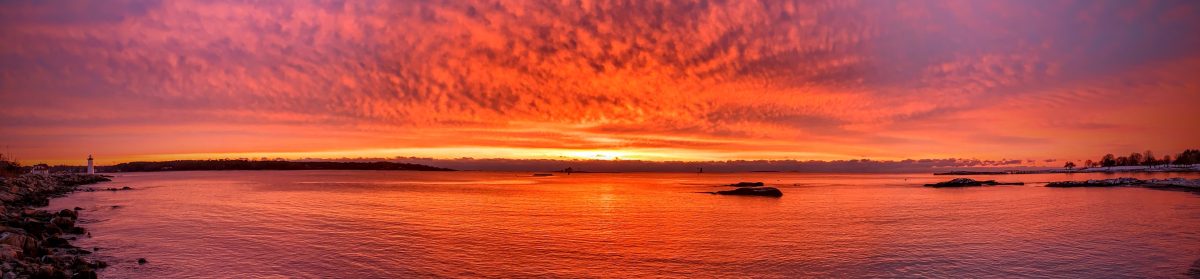
Solitary Sunrise (c) 2017

At 4:30 a.m. the waterfront view is fully saturated one day and colorless mist the next. The best hints I gather from my starting vantage point a few blocks away lie in the light: usually a patch of shimmering silvery-slate in the deep blue-black signals an unsubdued sunrise, and I quicken my pace.

It’s a little bit like Forrest Gump’s box of chocolates, or the first view of monochromatic tartan turf from inside Fenway Park: you might gather clues or intuit what your senses will tell you before you get to it, but until you do it’s never a sure thing.

I took this shot before the morning light last week before travelling several hundred miles for my younger daughter’s college graduation.

My little girl.  I dropped her off at college and when it was time to say goodbye watched her twirl around and dance away in a swirling aubergine skirt, knowing she was “alright as she left” her home port.

Ten hours later, driving back to a truly unoccupied house that had seemed empty when it was inhabited by a family of only five, I was lost in an industrial park in Connecticut and found the CD my husband had somehow arranged for me to find two-and-a-half years after he died, popping it in to play and knowing only that he had selected for me John Hiatt songs from an enormous ouvre.

Before leaving home I asked my youngest if I should bring anything–did she want me to bring the necklace her father gave her for her birthday, just three weeks before he died? On a delicate silver chain is a ruby–her primary school color, and a shade not unlike her long, curly hair–surrounded by small diamonds, a treasure she let me keep in a safe place despite knowing of my tendency to forget where I have secreted such things.

She did, and I brought it for her to wear.

When we arrived, my now young adult youngest child met us at the airport, smoothly executing a parallel parking maneuver I still can’t pull off.  She whisked us to her apartment and commencement eve’s blizzard of friends and activity.

A university her father did not know she would attend.  A boyfriend of four years whom he never met.  A city he had never visited.  Friends whom he would have been so delighted to see supporting her.

This was to be the fifth college commencement my husband would not attend in a traditional way.

After deftly reparking the car I had left egregiously unmoored from the curb, my graduate-to-be walked ahead of me in a flowing, bright printed dress, part of a wardrobe I’d never seen.  I recognized the shoes, heels with an intricate cut-out design which we’d bought for her first birthday without her dad.  We’d traveled together to Vermont, where the six of us had often spent her winter birthday, and I’d trudged aimlessly in an uncharacteristically muddy early March, hearing a little girl happily calling out “daddy” from a bunny slope.

While we were together I saw my daughters exchange glances quite a few times, at more than one restaurant, before gently reminding me that I kept asking for tables for one more person than was to be dining with us.

Only one of us does not have a major transition going on–new homes and jobs and graduate schools, and all their attendant and considerable hopes and stresses.

We can’t know exactly how all of these changes will work out, and while it may not be wise to steer too hard a-starboard, keep walking ahead of me.  Someday I may catch up.