
Some might look at this photo and see a single glowing peacock. Pavo cristatus. I can’t speak for the muster of peahens who paused to watch him that August day in Jodhpur, but it’s the countless circles which mesmerized me.
The magician’s swoosh as he vogues, a whisper of downcast bright blue irises. The multi-eyed lifting wave he’s created with closely spaced smaller circles at his display’s bottom layer: a Cupid’s bow being drawn from the straight edge of shadow underneath, or a garden snake? I see the deep greens and blues in which I’ll always feel my missing piece still soaking in the sun.
Now the circles are beckoning me back.
The circle that recently closed for my siblings and me and our families has taken the wind out of me for longer than I would have imagined, deepening winter’s already enduring darkness.
Maybe I’m drawn to the circle’s immortality. Or that’s it’s unbroken. A wedding ring. Gold-dusted green eyes echoed in a child. The planetesque orb formerly known as Pluto.
Offerings in Udaipur. Stars within circles among the wares in Marrakesh. Concentric mosaic circles at St. Mary’s Church in Dublin, Ireland.
Slightly off-center rings around a tree’s perfectly-shaped young core; the algebraic drama of a bright lemon flower’s singular souls. The gentle hills and valleys in bullet glass.
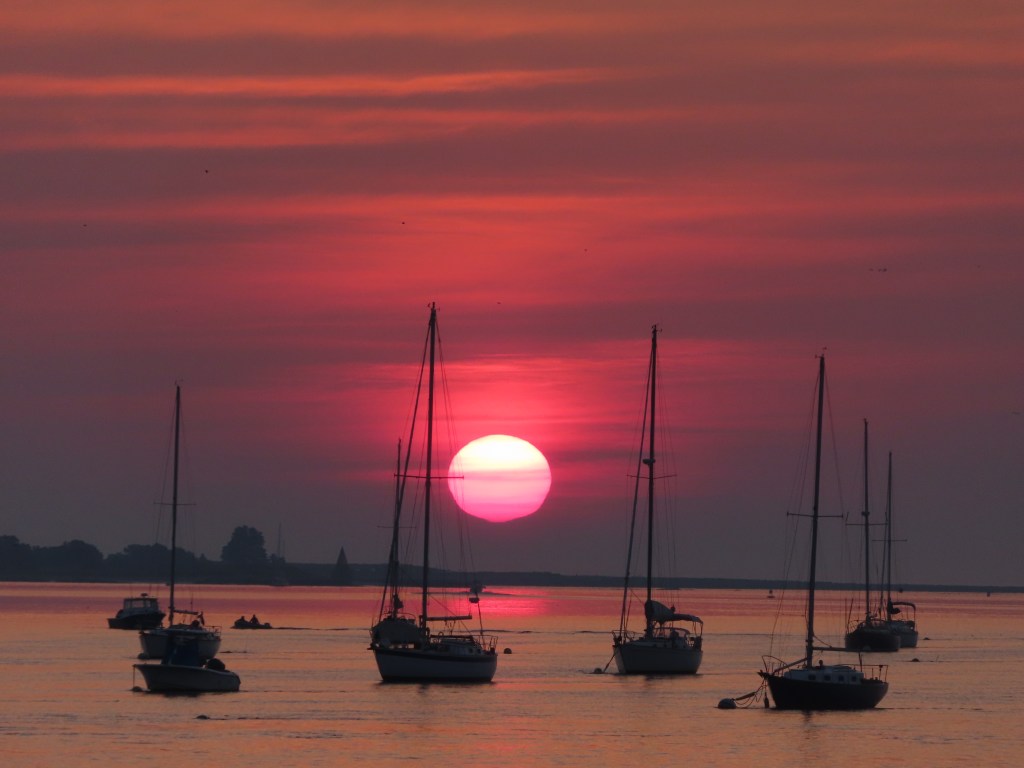
Half of a perfect circle reflected against a hull at sunset. The bumpy segmented layers which peel away to an onion’s solid spherical center. Trees reflecting inside a cylindrical silver tube at high noon.
A sousaphone reflecting rings of past and present. A ship’s wheel’s perfect geometrical symmetry.


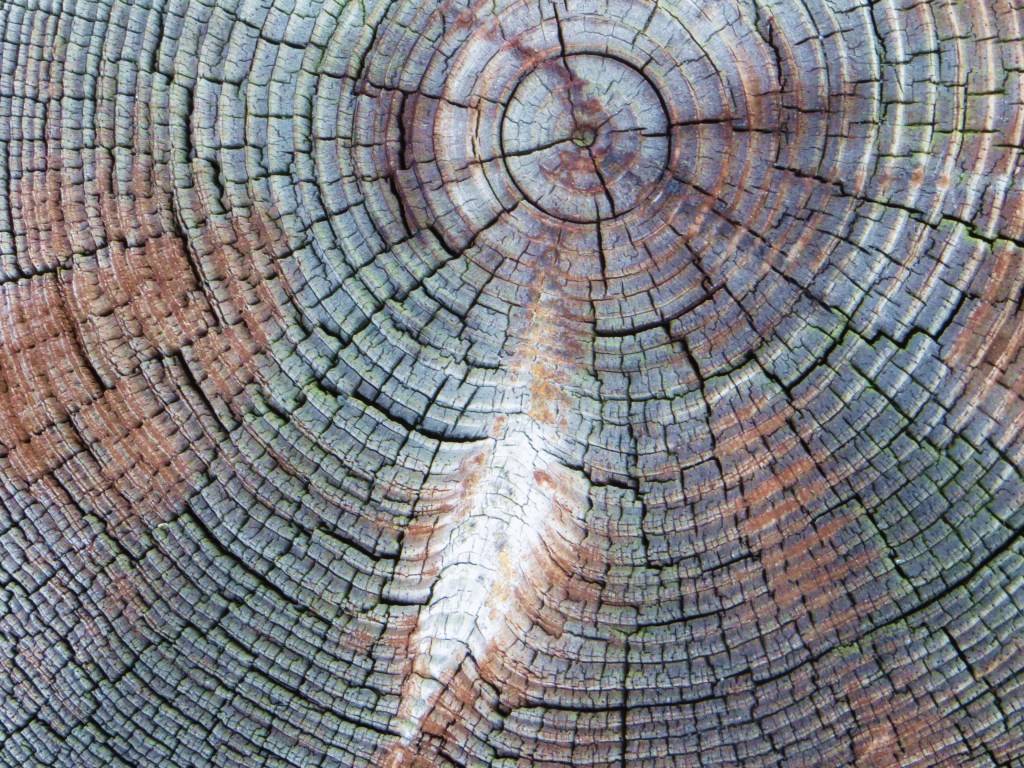

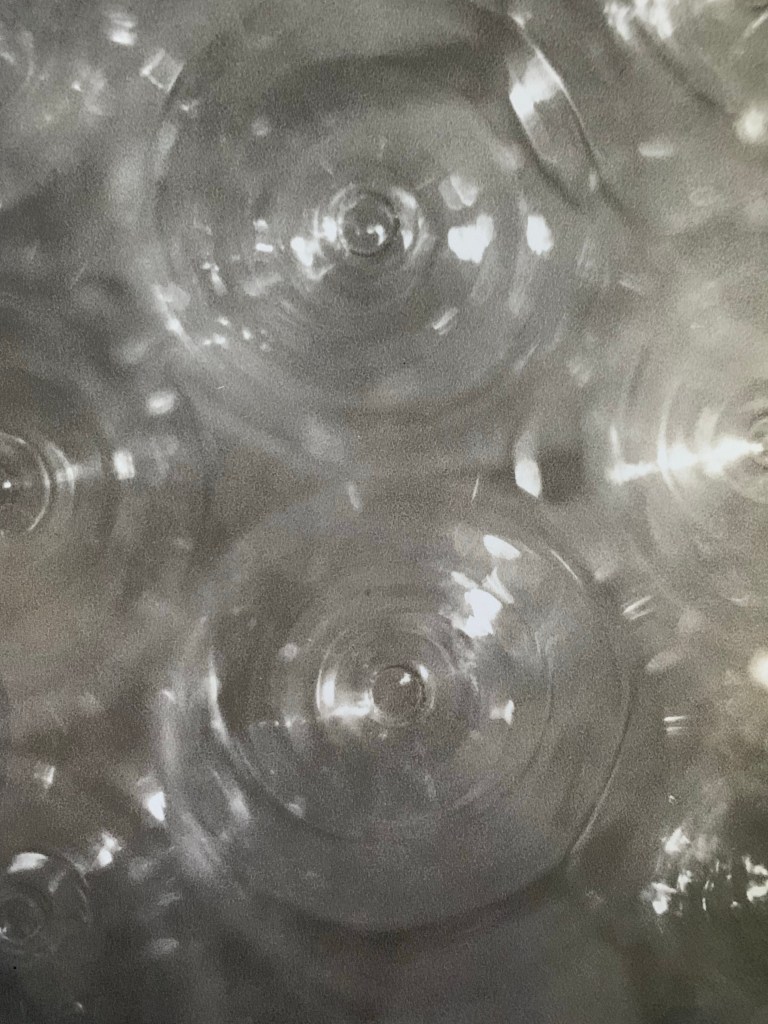


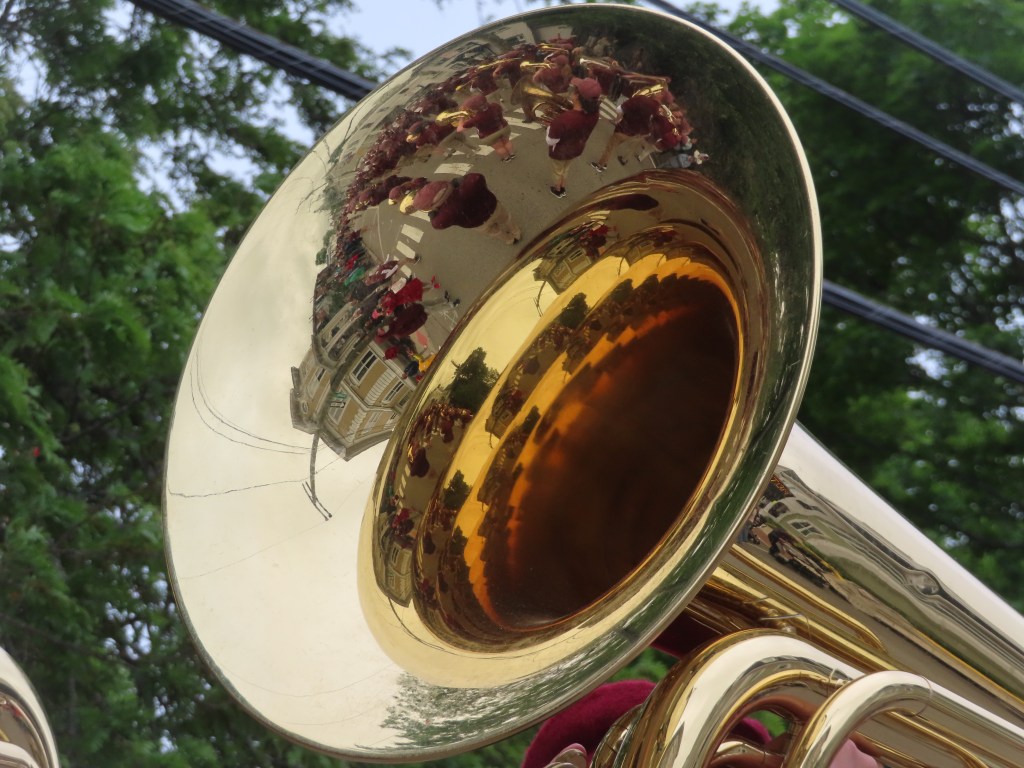

Harry Chapin’s All my Life’s a Circle and Joni Mitchell’s The Circle Game were among the first songs my guitar teacher taught me. She leaned far more towards folk than blues. So did I, back then. Before I found John Hiatt and Circle Back. When I had much less to circle back to, and before I fully understood that much circling back is neither smoothly accomplished nor voluntary. Before I realized how easily it can involve degrees of descent into nightmare. The algos of pain more than the nostos of yearning to come home again.
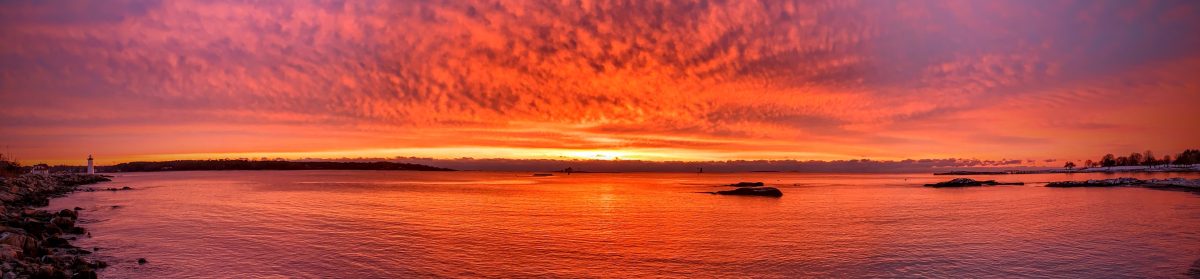
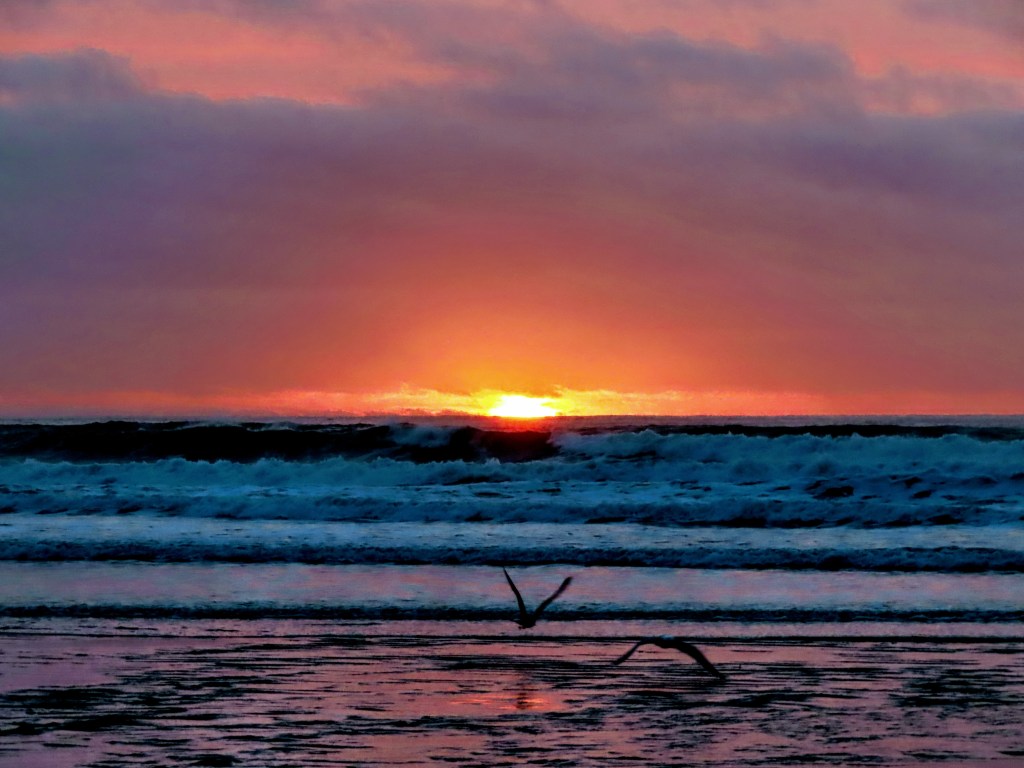
Practically speaking, I can’t turn back time. But lens artists have the power to tame the boundless circles which demarcate our days and nights: the impossibly bright orbs of fire and flares which we gaze directly upon at our peril. For now, we flatten them into gentle white-gold circles coaxing our skies in and out of peacock blue on this side of Paradise.


 Love in the Spaces