“Tell me why….”
The generic three words appear in countless songs. Today, I happen to hear them in a (no-longer) boy band’s lyric. Improbably, that particular earworm began burrowing before the turn of this Century.
The tone and cadence in asking for an explanation of “why,” as with most communication, is important. It can be calmly delivered, or beseeching–even a crie de couer.
It can be inquisitive, and take us back to the wonders of the world as they begin to catch our young children’s attention outside infancy’s cocoon.
“Why is the sky blue?“
“Why do manta rays leap above the ocean?”
It can express the joyful wonder and bottomless despair of other unanswerable questions and pleas for explanation.
“How could I have been so lucky to spend this life with you?”
“Why him?”
I’ve taken on the task of picking out a portfolio of ten photographs I most want to share, and the more formidable challenge of explaining my choices. I realized after selecting them that I took most of them while I was alone, at least among humans. The few exceptions were taken in countries and on continents far from my assorted homes.
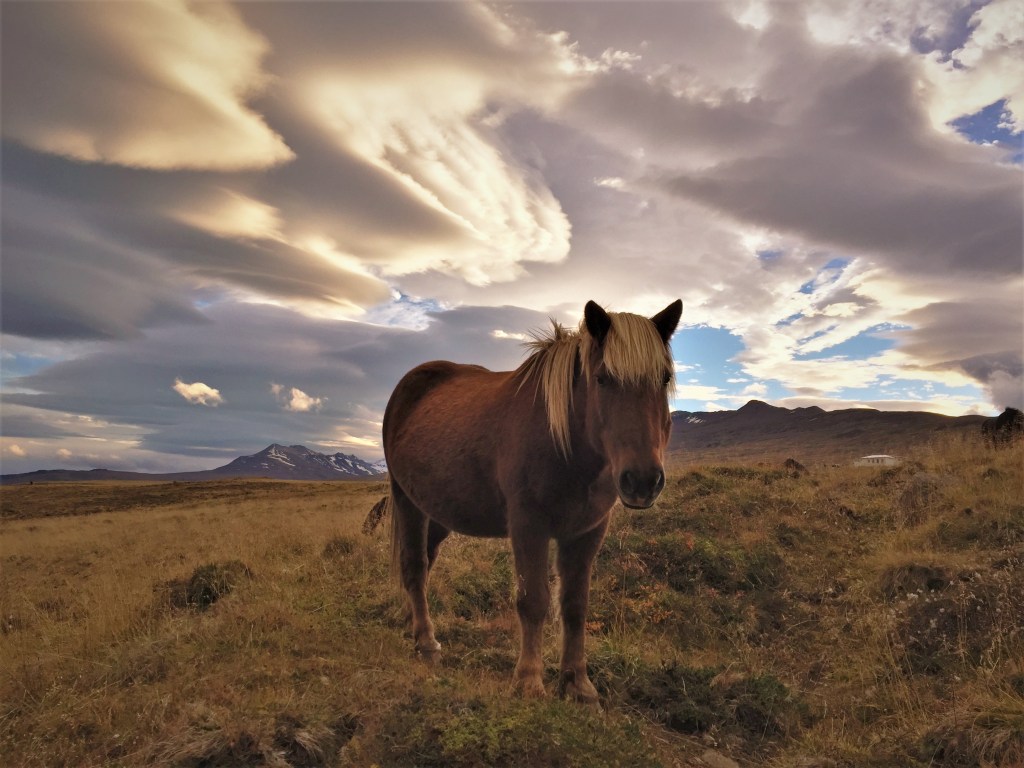
Above, an Icelandic pony was perfectly framed among lenticular clouds as the sun started to drop in Aukerie. I treasure revisiting the peace and beauty and even the pure air of that day.
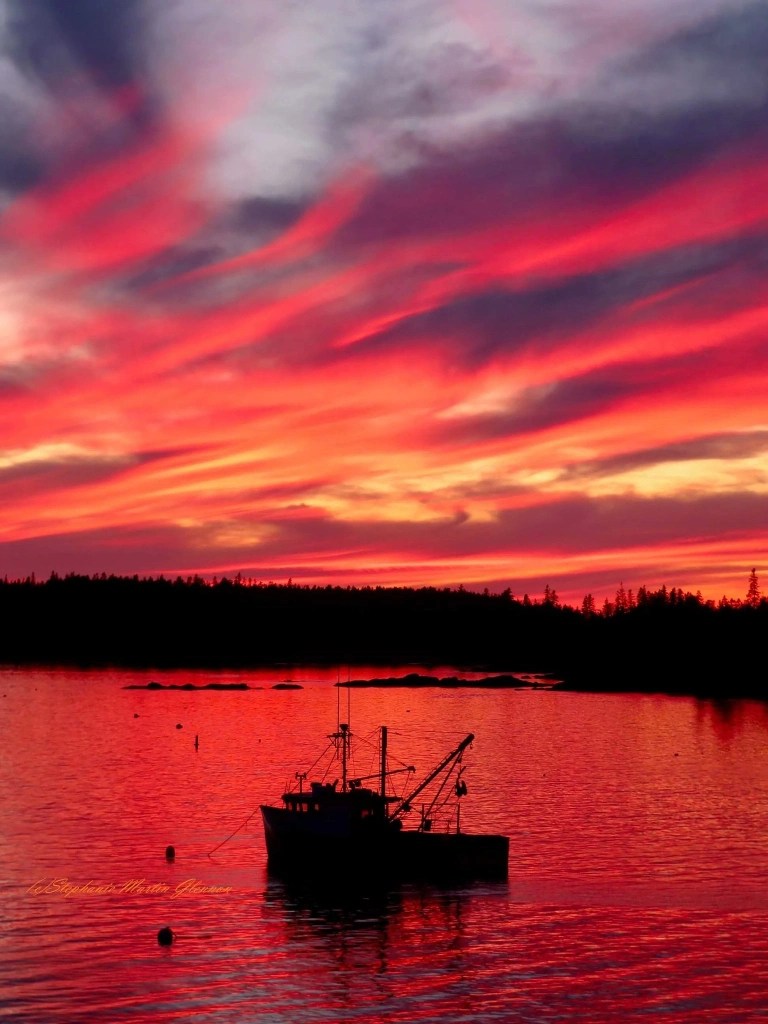
I was completely alone in Southwest Harbor for this astonishing sunset on Mount Desert Island. Acadia National Park was a very special place for my late husband and for our children as they grew. It took quite awhile for me to be able to travel by myself and be able to recapture more joy than melancholy there. I felt my husband’s presence as I took this picture, as I do every time I look at it.

An extraordinary ordinary palm frond towered above me, and calls me back to a cool night with regal birds milling all around. In the unseen background, the High Atlas Mountains formed ribbons of snow atop vivid blue peaks.

Each sunrise moment is an ephemeral work of art, there for us to keep and share and revisit in a photograph.
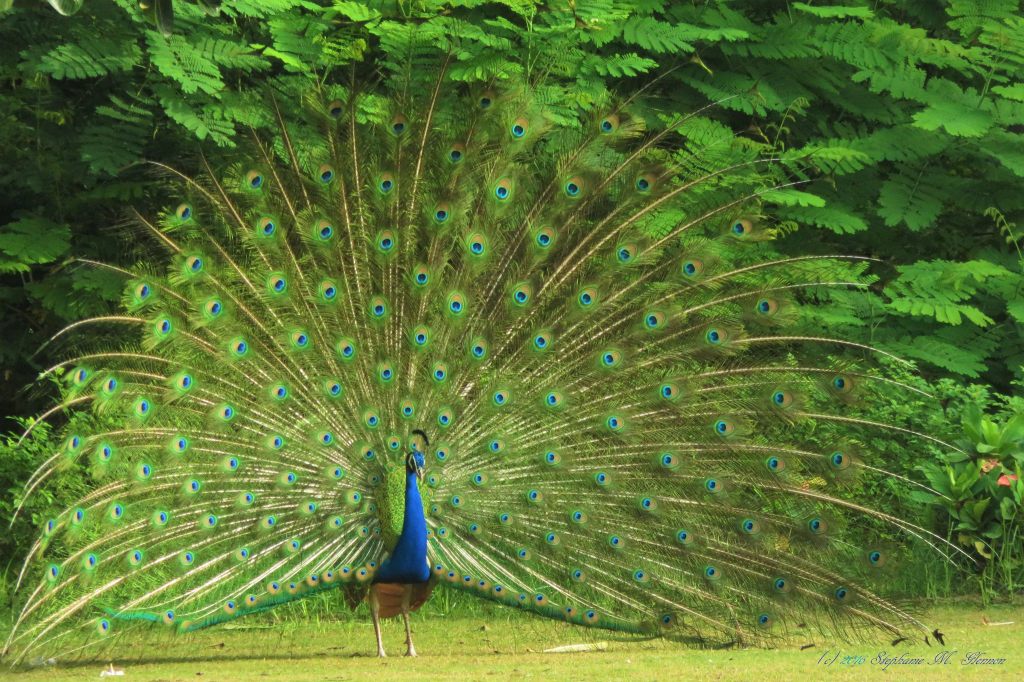
A return to deep greens and blues. . . . In New England’s coldest days, I can still feel the warmth and wonder of walking along a field filled with peacocks in Rajasthan, India.
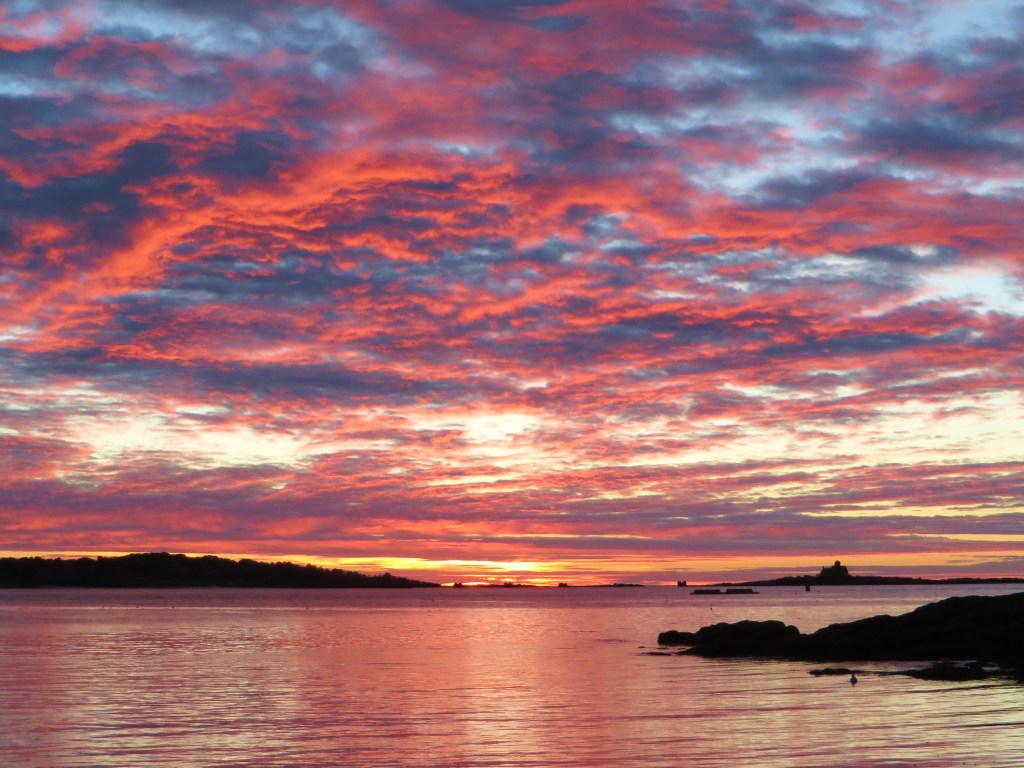
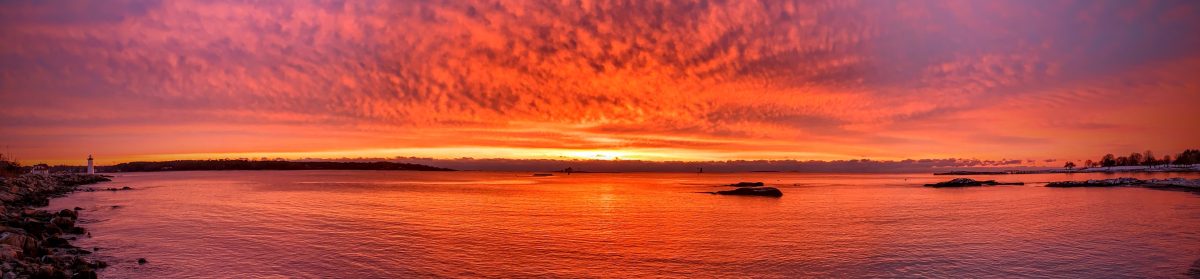
From the same spot in Newcastle, New Hampshire, one can see two lighthouses in two states, and endless permutations of light. This is one of my favorite glimpses of dawn.

A juvenile Kingfisher was my companion for sunset at the Artichoke Reservoir, a hidden jewel in Essex County, Massachusetts. The photo brings me peace; I remember how the sight helped me to breathe and settle my soul at a time of frantic medical issues in my family.

I’ve taken countless of Whaleback Lighthouse from two state’s shores. This one stands alone: without touching the picture’s natural color, it looks to me like a silkscreen print of sunrise.

A snapshot in a butterfly garden in Western Massachusetts preserved a butterfly taking flight, and the rich colors of a tropical forest in a distant part of the world.
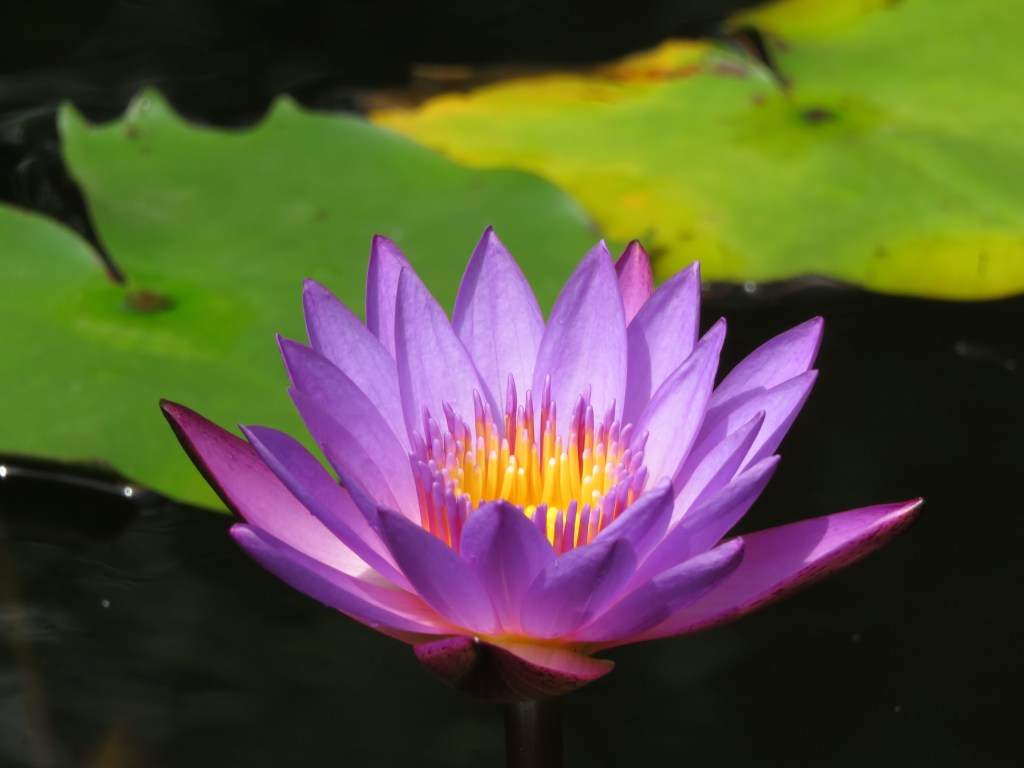
A single water lily… on a glorious day spent on another continent with one of my daughters. The simple shot carries me back to her, and to the sun and golden birds outside an ancient fort and museum in Jodhpur, the Blue City.
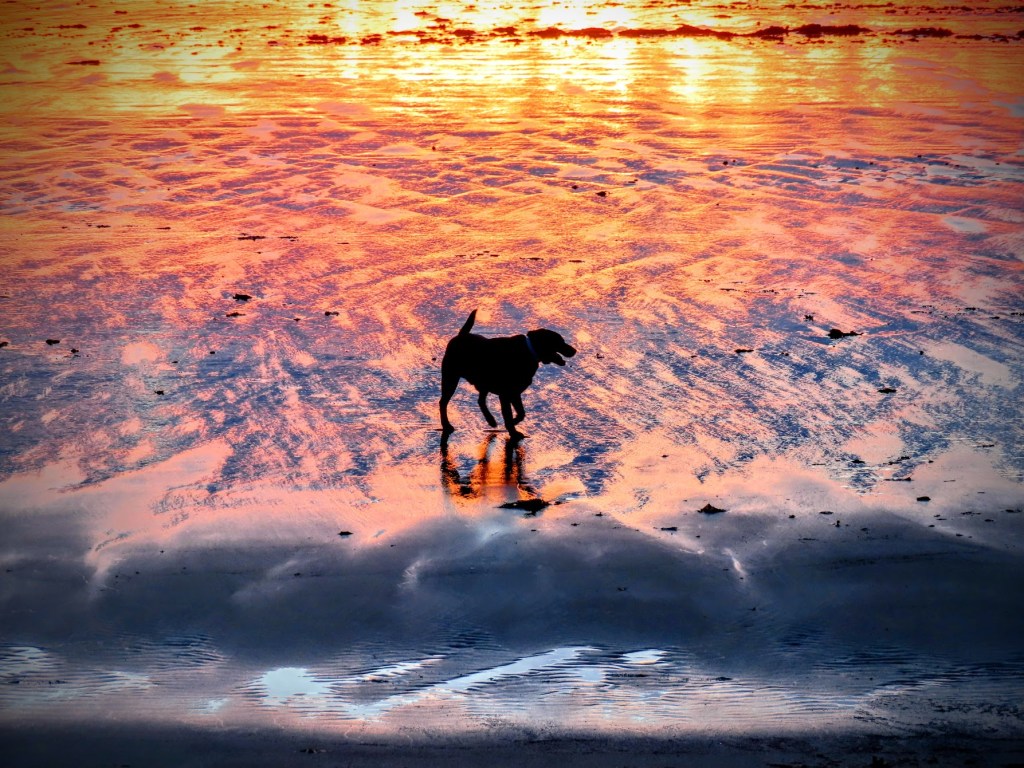
And I am sneaking in one more photo, the last I was able to take of the beloved and protective faithful companion of a sterling neighbor who contributed so much to every part of the world he occupied, and will be profoundly missed after leaving all too inexplicably soon. His handsome dog passed only weeks later, to join him in another view of such earthly wonders.


 Love in the Spaces