
I’m so conditioned to my lens of somber reflection that if I see the word “zigzag,” a snippet of a poem about grief pops into my mind: “you went zig and I went zag….”
Never to share the same geometric or worldly plane again.
Zigzagging as a complete rupture–permanent separation from a single once-common point and place in the world. No longer a connection at the root, but instead an ever-widening impenetrable vortex away from it.
The wedge of the tornado, not its swirling touchdown point.
Charles Causley’s poetry-fueled rambles around his home town of Launceston included the hardest of hard-edged zigzags set into quarry stone.
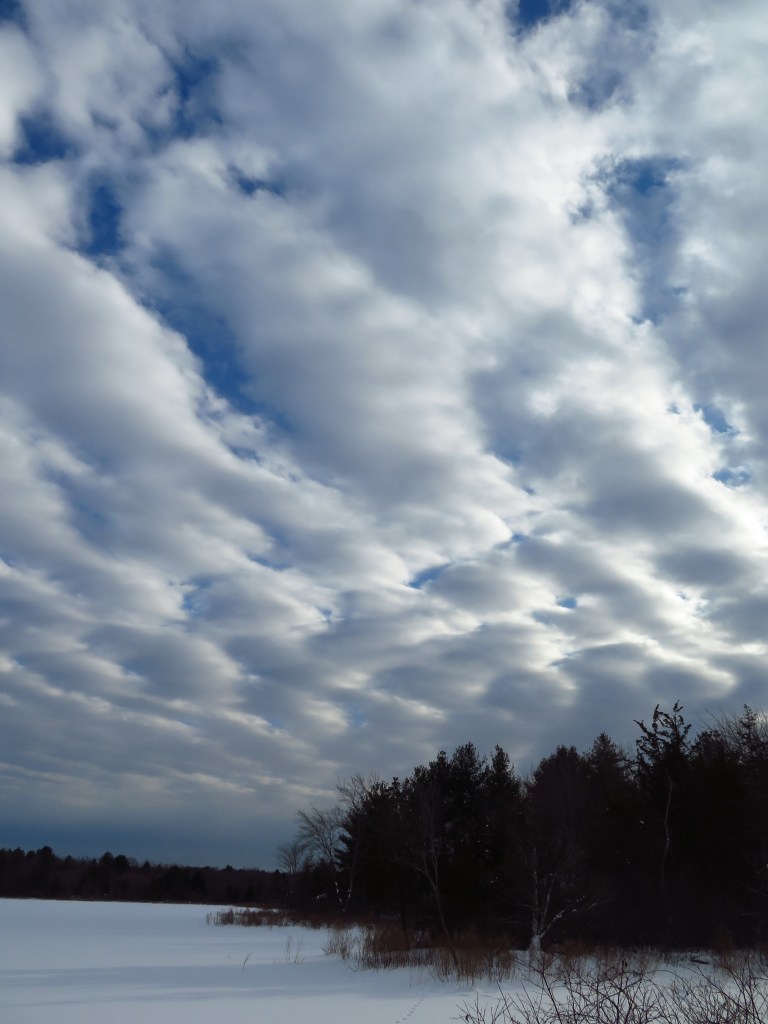
But when searching my own images for zigzags, I find they’re not always sharp-edged, and rarely are set in stone.
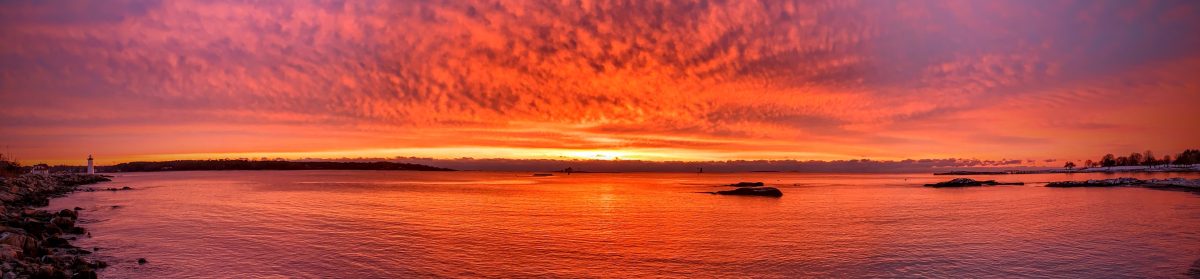
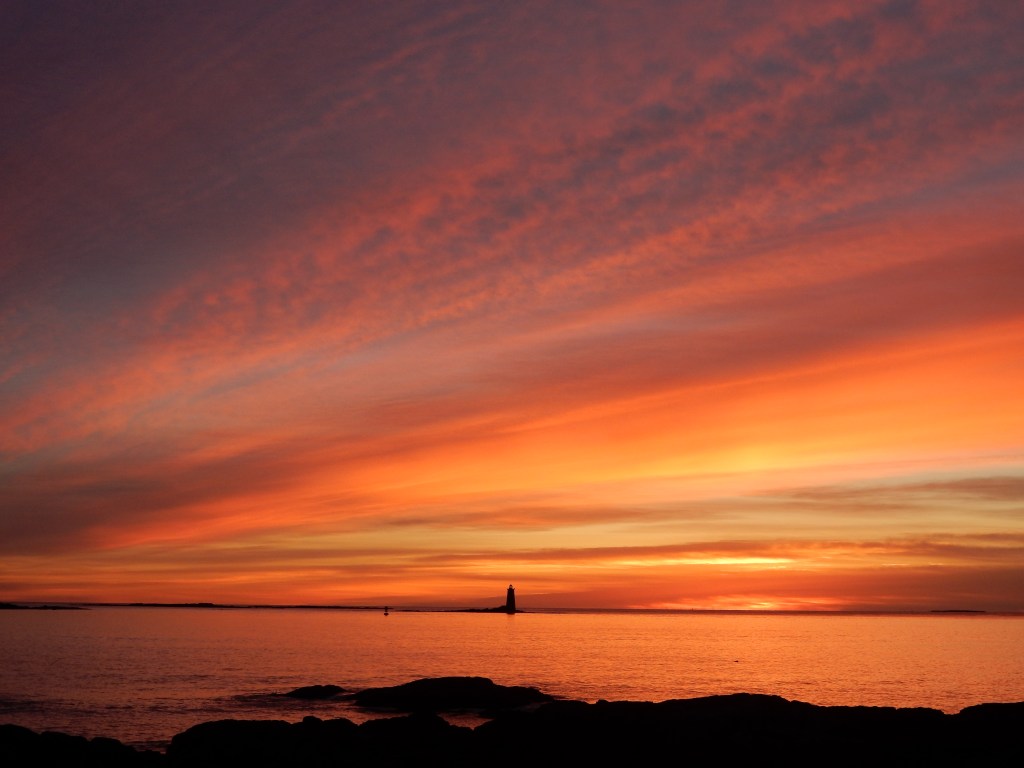
Early sunset clouds cast a beautiful Icelandic pony in a otherworldly soft ice-gold that makes her appear to glow. A Cedar waxwing’s bright feathers set off soft black triangles and by perching on bare March branches divides the sky into floating triangles of pure blue. Sunrise pauses just long enough to separate itself into a sharply angled fan of fire that reduces a lighthouse to a tiny point. Sunlit leaves reveal a tree’s branching zigs and zags, which may rearrange themselves with as little as the weight of a squirrel.


Zigzags aren’t only sharp edges and set or severed stone.
Not nearly.




 Love in the Spaces