Fences are said to make good neighbors, but they provide many other services, including considerable photographic opportunities. They help keep our beagles from escaping while chasing scents. My husband once forwarded me an account of an undoubtedly well-meaning beagle who was recovered–in Indiana–after more than two years on the lam and 850 miles from his fence-free home. My husband’s header: “I wonder how far the rabbit got?”
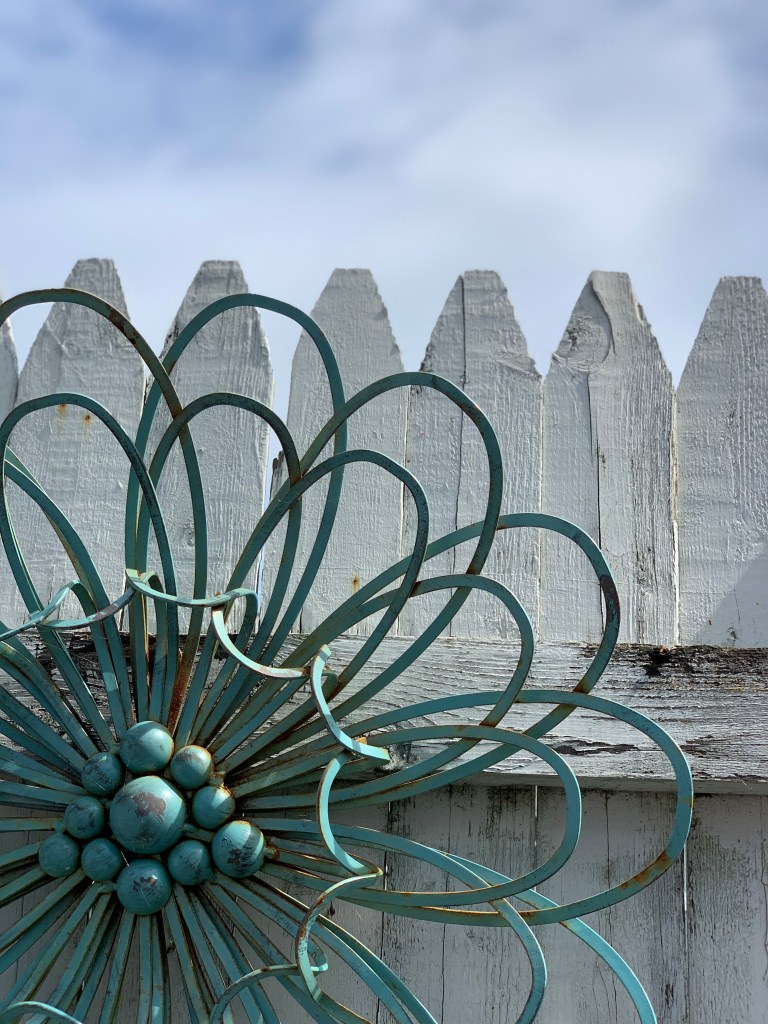
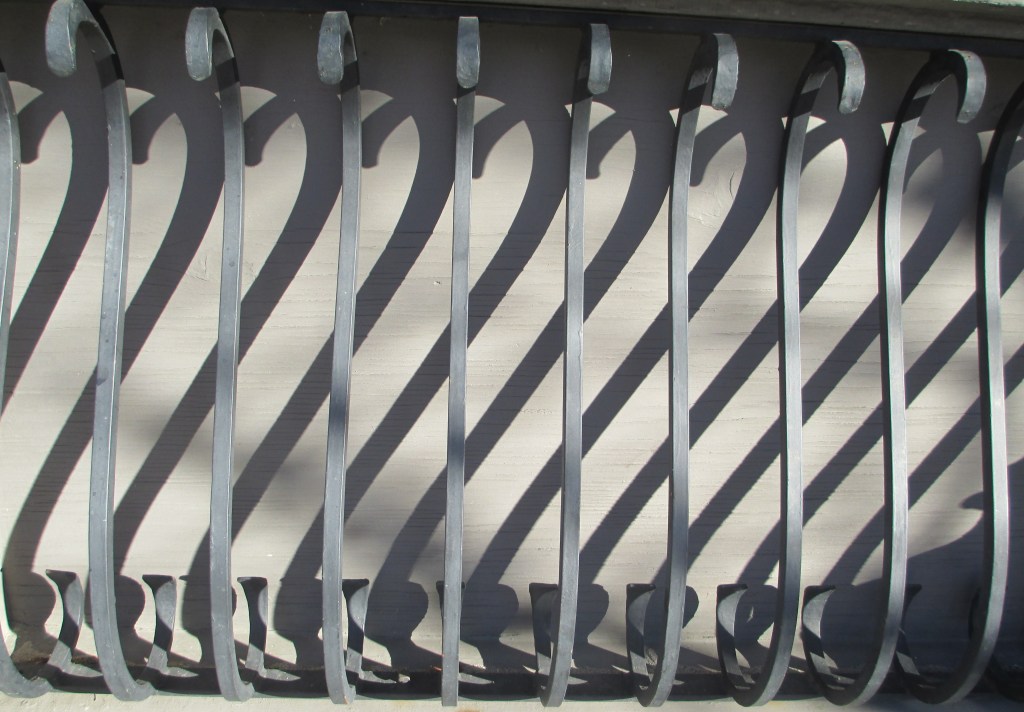
“En guard” is spoken to alert fencers to take their defensive positions, but fences themselves need not be uninviting. They lend scale to and break up the vastness of landscapes. They mark paths and house buoys and tchotchkes and seasonal displays. They are backdrops for posters and banners, and display political sentiments and commercial enticements.
While birds frequently situate themselves comfortably on fences, a fence-sitting human tends to be one unwilling to commit to one side of an issue or another.
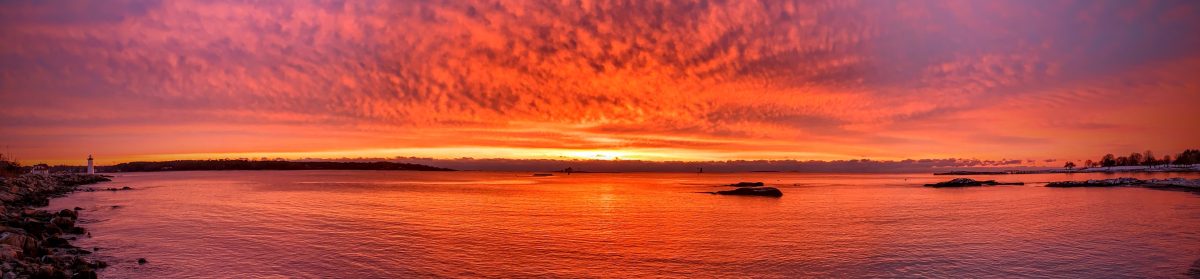
For the attentive, an unusual fence can identify the particular place in the world of an otherwise undifferentiated seascape or skyscape.
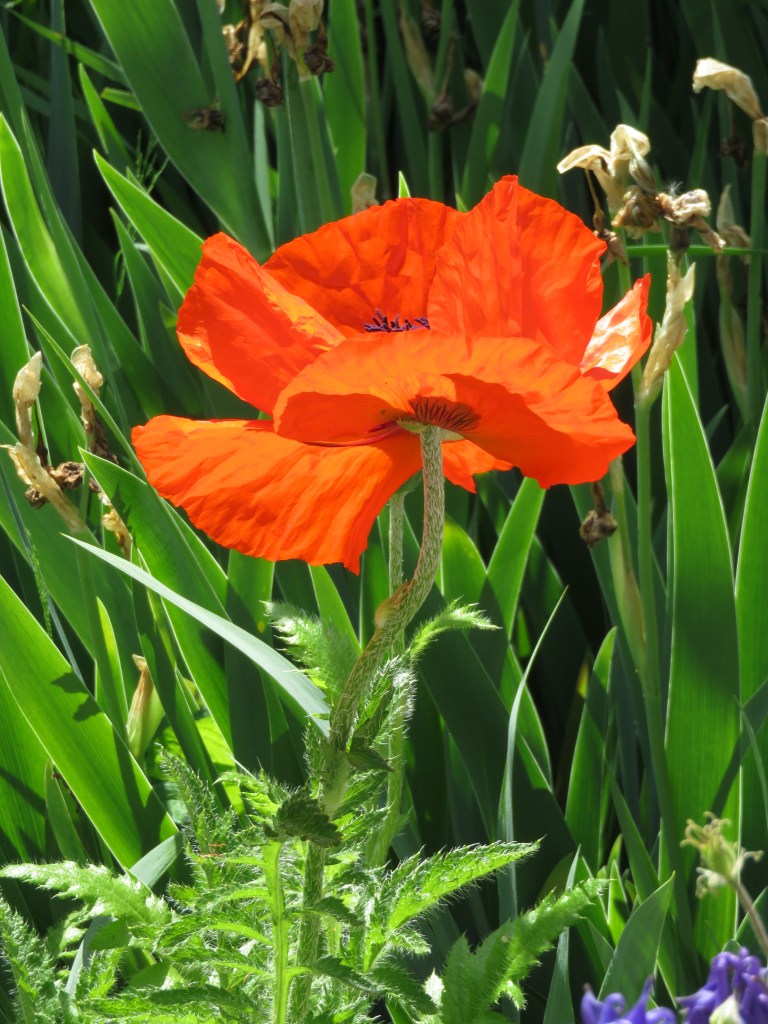
They may be whole or broken, winding or at strict high alert. Antique or modern. Functional or decorative. Enduring or flimsy, or somewhere in between. Sometimes they completely block one’s view. Others are so porous as to be nearly invisible, wrought of wire that melts into its surroundings. Lush summer flowers may exuberantly burst through their grids.
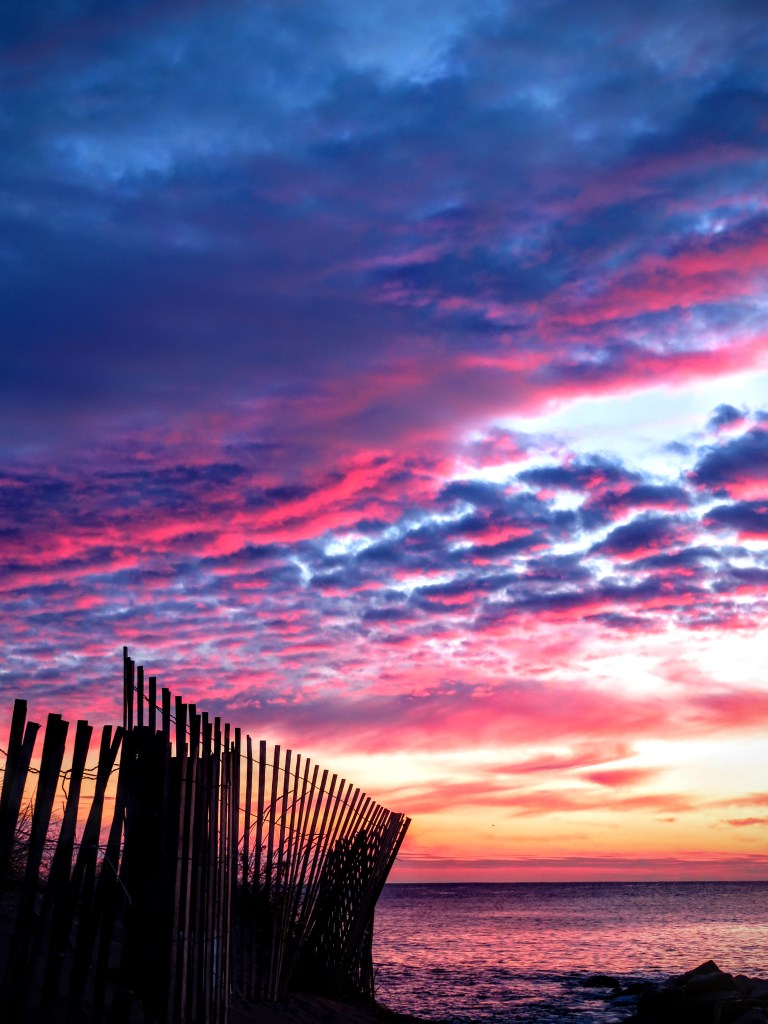
Sometimes, fences are so perfectly situated within their surroundings that they seem to echo the sky.
Spring ordinarily is death’s antithesis, as surely as it is winter’s.
At the end of our family’s harshest winter, my dying husband’s heart improbably would not let go of us. It refused to take its last beats until, at least by the calendar, winter had at last elided into the season of growing green that he had always tended to.
Just four days later, the snow had melted entirely away. That afternoon, in a sun-soaked Spring service at her school, one of our daughters read “A Man,” written by poet Louis Untermeyer after his father’s death: “I thought of you…. / And it was like a great wind blowing / Over confused and poisonous places. / It was like sterile spaces / Crowded with birds and grasses, soaked clear through / With sunlight, quiet and vast and clean. / And it was forests growing, / And it was black things turning green.”
One of her brothers read Amy Gerstler’s “In Perpetual Spring,” which ends with an expression of “the faith that for every hurt / there is a leaf to cure it.”
Spring was my husband’s season–although all seasons were, in their way and his. He would rotate his birdfeeders’ weekly specials to accommodate anticipated guests, and make sure our porch was off limits to humans when robins began building their nests in a favorite corner of the 1805 ornamental molding atop its pillars.
The fruit trees he had planted would begin to bloom. His vegetables and fruits would soon make their way into the world. Armored khaki orbs of quince would drink in April showers and grow so heavy that they bowed the thick branches which hosted them. At their greatest girth, they often settled together on the ground, still attached at their stems to their sturdy trees. They congregated there like meditating buddhas, to be sniffed at by our perplexed beagles. Sour bruised blue-black grapes and fuzzed raspberries and peaches would cluster.
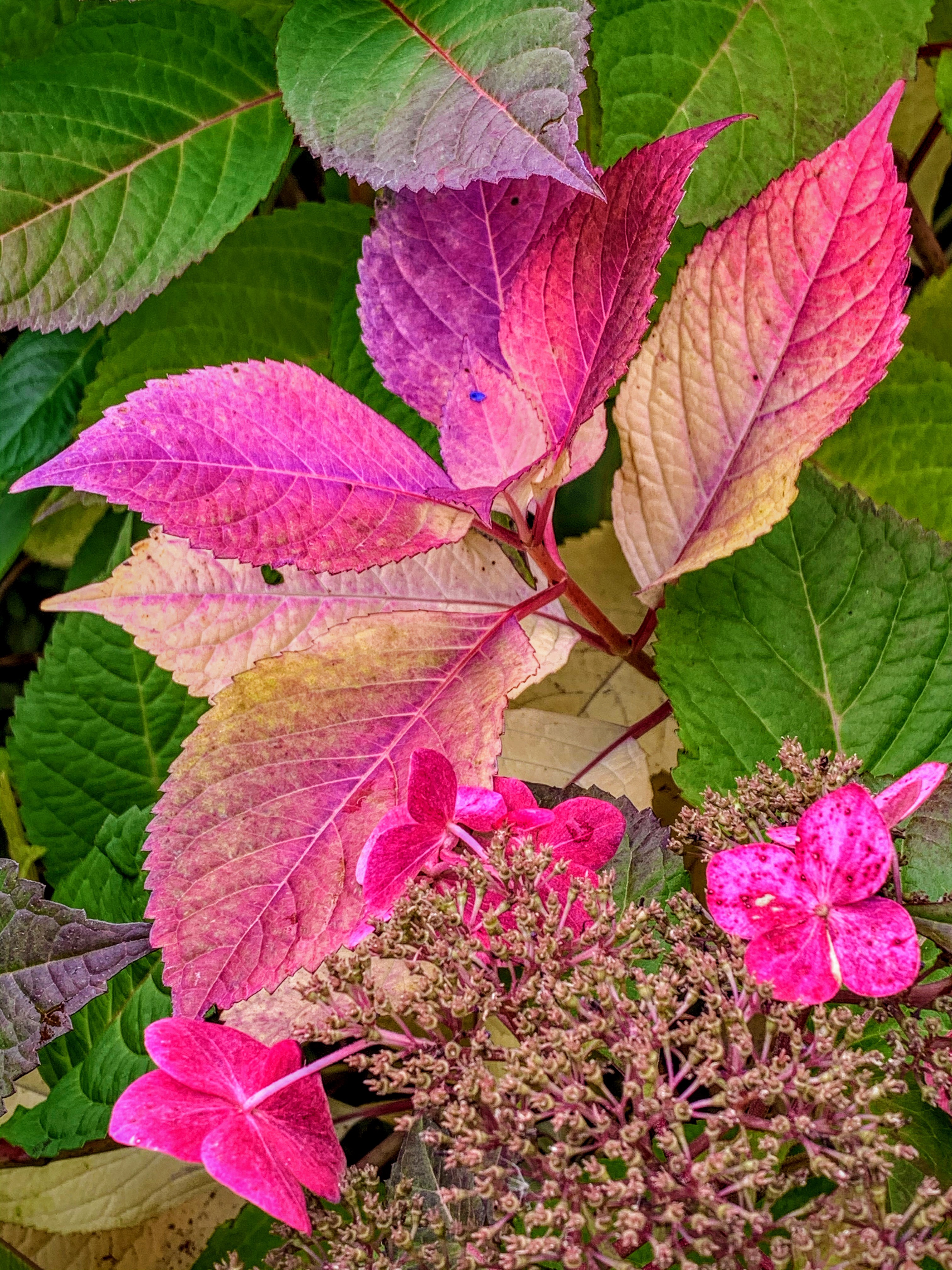
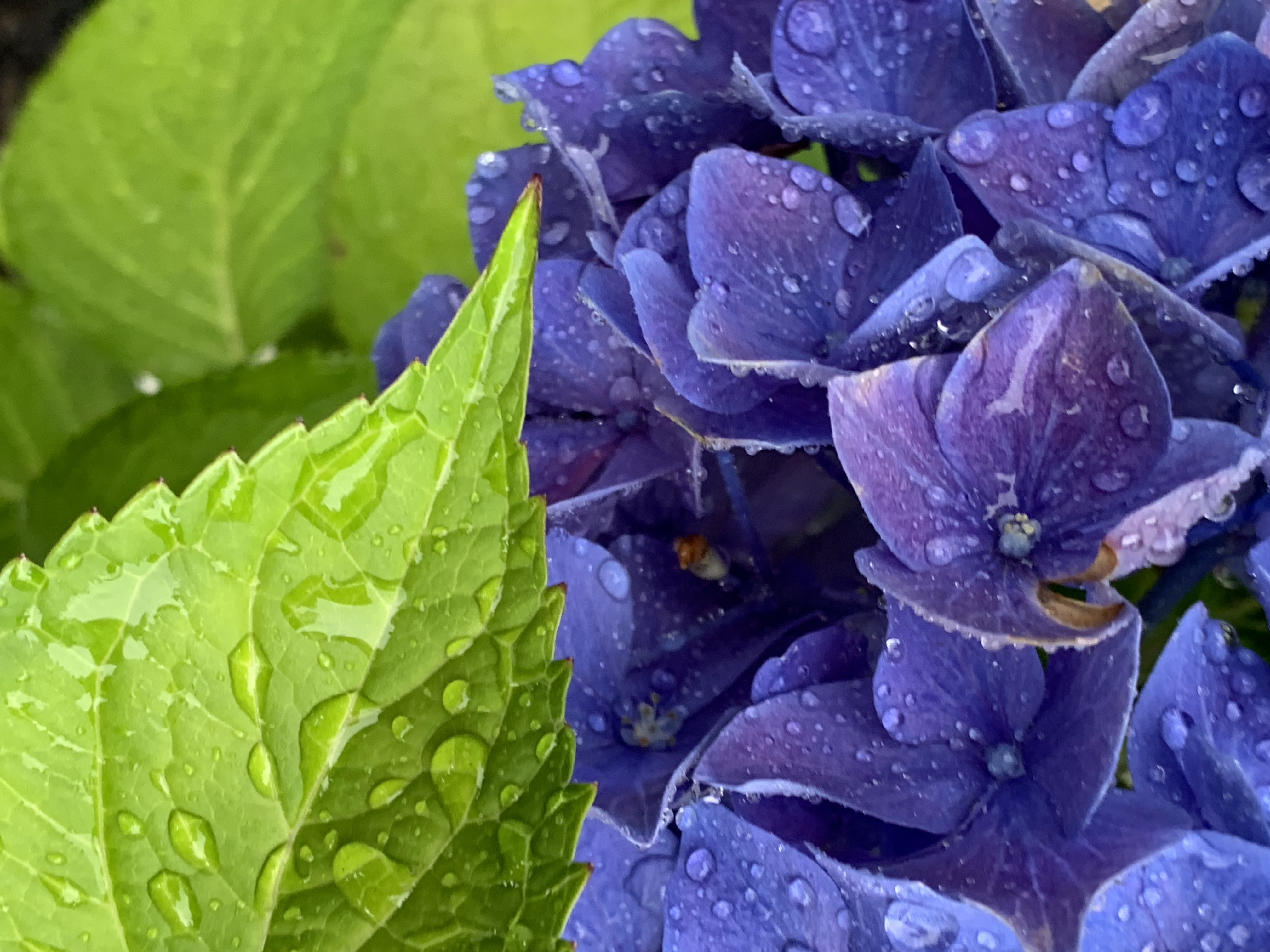
In true winter I would survey once colorful leaves entombed under ice, and headless bush branches and empty trees and abandoned robins’ nests. I would be certain none of them could be brought to life again, to bear peaches and sour apples and cartoonishly colorful hydrangea and rhododendrons. But in Spring they somehow still do.
Even that Spring.
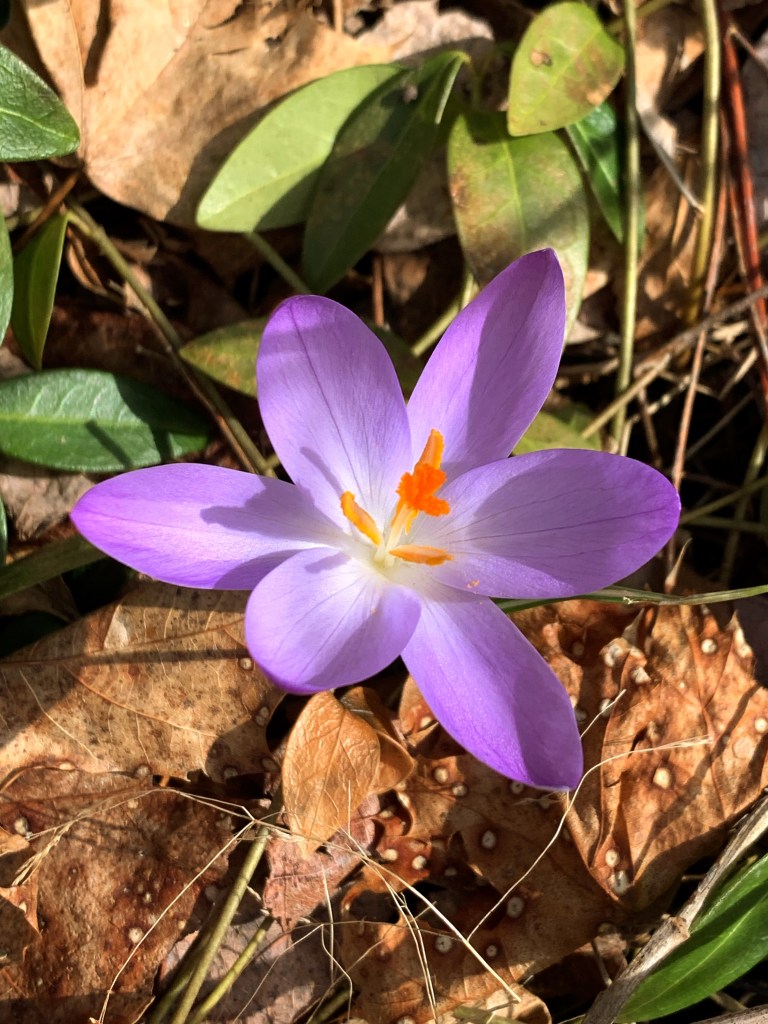
Since that singular March day twelve years ago, true Spring arrives for me not on the designated calendar date, but whenever I spot the first fully-bloomed flower. In New England, that has invariably been a crocus.
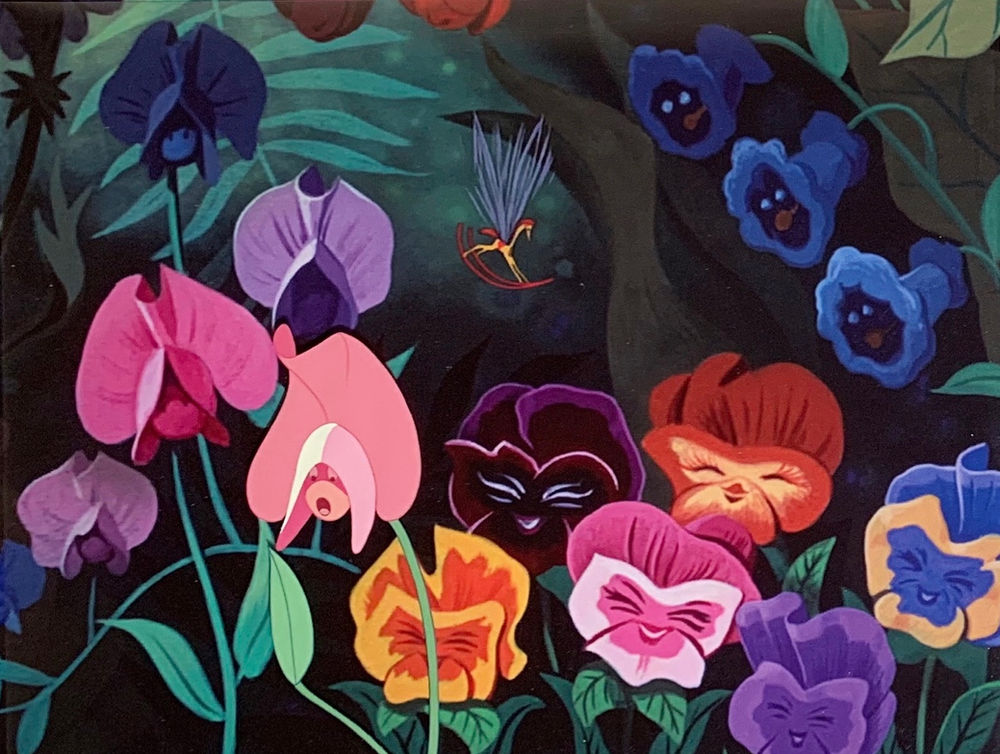
I picture it gingerly poking its way through richly layered leaves glossy with melting snow, as if doubting whether it truly is time to be visible and vulnerable. But once it peeks out above the dense autumn detritus, its lavender or buttered white soup-ladle petals relax, and it theatrically basks in the sun. A Fantasia character come to life, for as long as the light lasts.
I found myself talking at length to our puppy today. Now, I did not grow up a “dog person”–although currently many of my friends fear I will become a crazy old dog lady when my children are grown.
It may be some gauge of Jim’s family’s fondness for dogs that all he remembered of family pets in his youth was a dog named “Zero.” It took our younger daughter ten years to talk us into adopting our first beagle.
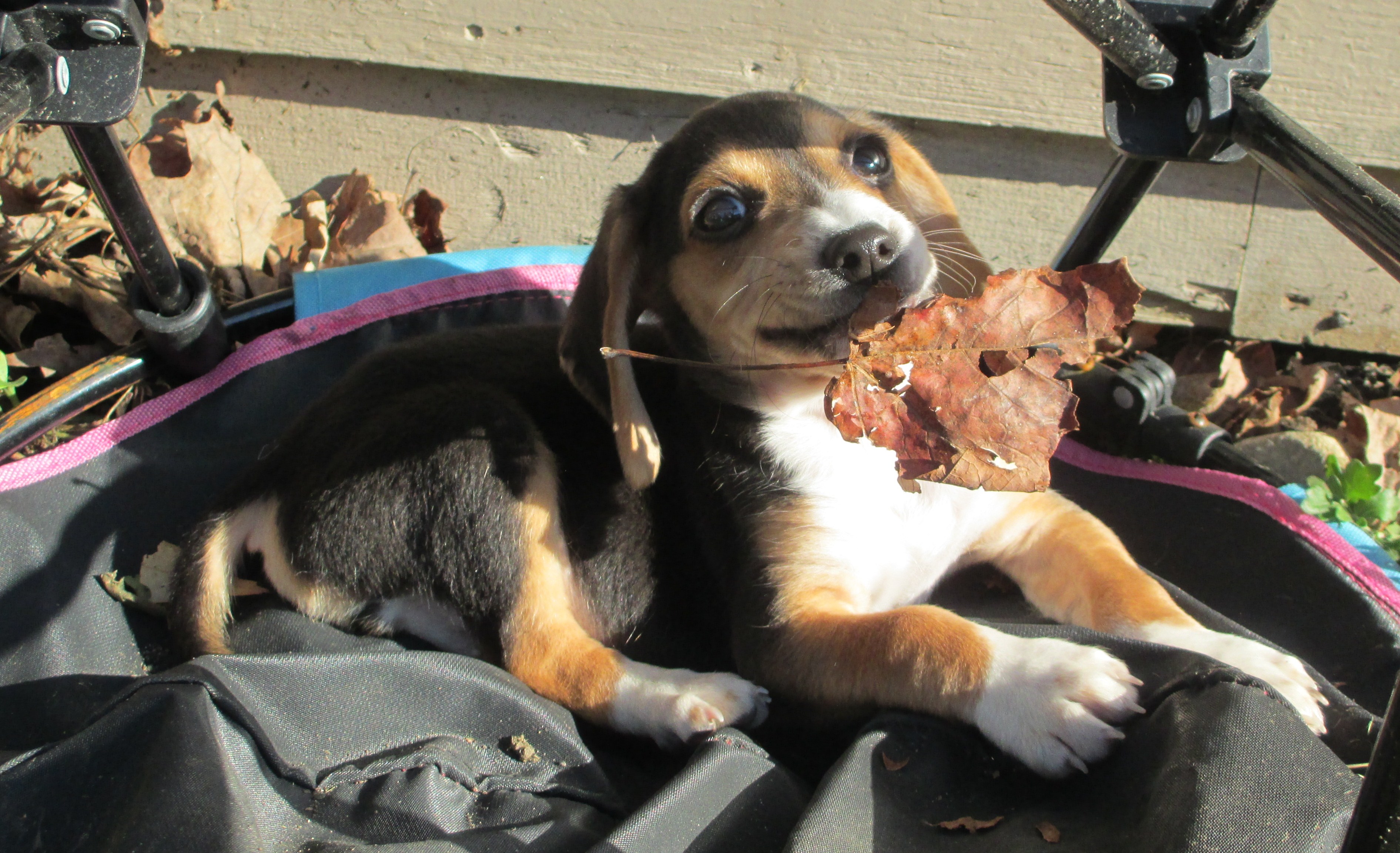
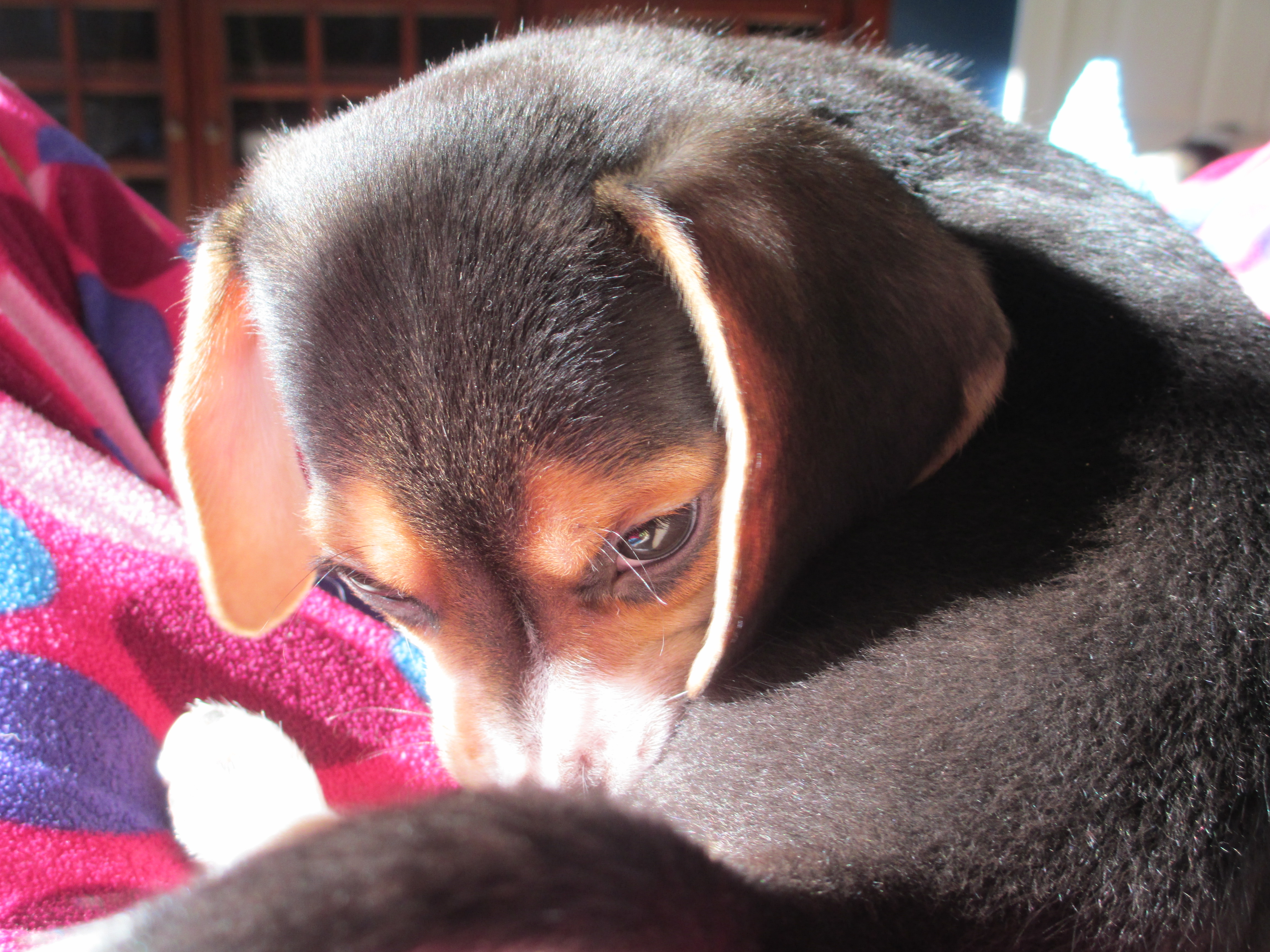
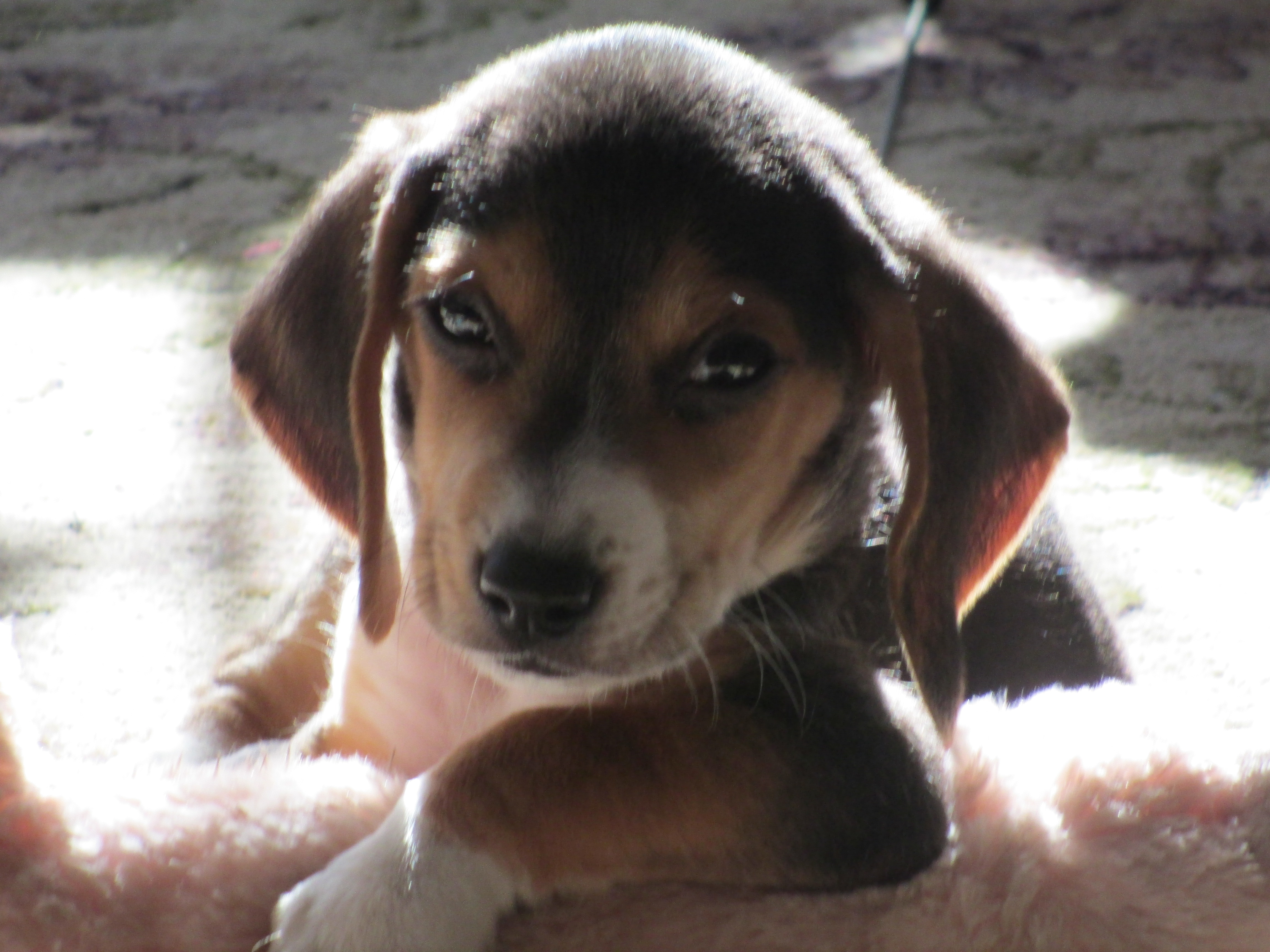
Today’s somewhat lopsided conversations between me and our tri-colored companions were not an altogether unusual development. And we do have The World’s Cutest Puppy.
I am certain our older dogs understand me when I talk to them about their master. Rufus looks at me with those milk chocolate beagle eyes, made all the more soulful by being accentuated by what looks like eyeliner applied with a heavy hand; I can talk to him about Jim.
The night of the day Jim died, I sat, utterly spent, on our kitchen floor. Rufus walked over to me and sat with me, just as he had sat quietly by Jim’s side when Jim was sick. He held my gaze. It seemed he was agonizing with us.
Brady….well, he may not be as quick a learner as Rufus….but when I speak to him he gazes at me with those amber eyes and I know he understands important things, too.
Outside the house, both of them paddled furiously with their forearms against Jim’s garden gate, and howled as they never had before, during the moments Jim was dying inside on that bright cold afternoon.
And when, after Jim died, I watched our dogs sniff at his belongings and search the house, I truly believed their map of the world included him in a way that will endure.
“Dogs, they say, think in maps informed with their smell,” wrote Jeff Jarvis. “They sniff and resniff a location to find out what has been there and they sniff the air to tell the future: to discover what will be here” . . . and what no longer is there.
“Unlike our eyes, which take in what is visible and apparent at this moment, their noses can sense the past — who and what was here and what’s decaying underneath — and the future of a place — what’s coming, just upwind.”
On Jim’s birthday I find myself engaged in conversation with a three-month old puppy Jim never knew, in a home he never saw, and who will not have this sense of Jim in his map of this world. (Our new puppy has eyes more of a bittersweet chocolate–a bit lighter on the eyeliner.) After all, there’s nothing you can’t tell or ask a puppy. (“If a person’s not here anymore,” I earnestly asked 4.6 pounds of puppy, “how do you celebrate his birthday?”) Next to my husband, they are among the least judgmental beings I have encountered.
Yet the puppy narrows his eyes in a knowing way as if he, too, understands when I tell him that he never knew master but he would have loved him; that Jim would have held him in one strong hand as he did our children when they were of similar heft; that Jim would have thought me insane to acquire a puppy now, but I know he also would be glad for us to have this warm bundle to hold during the winter, to snuggle up with us as we write, to look in my eyes in a way that makes me believe another sentient being relies on me and loves me– because there is no downside to having a dollop of bottomless trust and love added to one’s life.

















 Love in the Spaces