Balancing Acts

I’ve always thought of asymmetry as unstable, and occasionally unsettling. Slightly to dizzyingly off-kilter, like the horizon in an unadjusted quick shot with frozen fingers in sub-zero air. The opposite of symmetrical.

I’m reconsidering that in light of an invitation to consider asymmetry not as imbalanced, but as a different and more complicated kind of balance: “two differing sides that balance each other out.

Not unlike a second reader, or compatible beagles, or a loving marriage. Asymmetry that brings out the best in both sides.

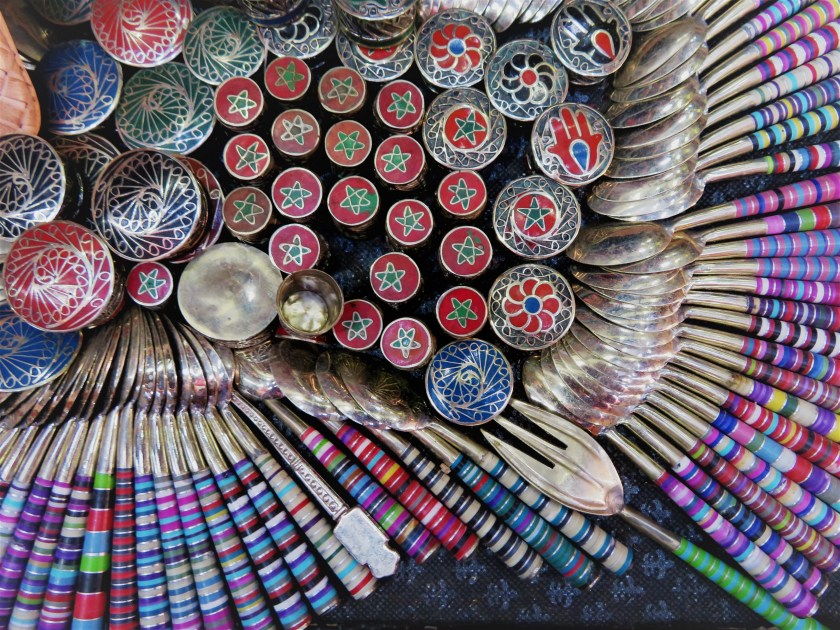
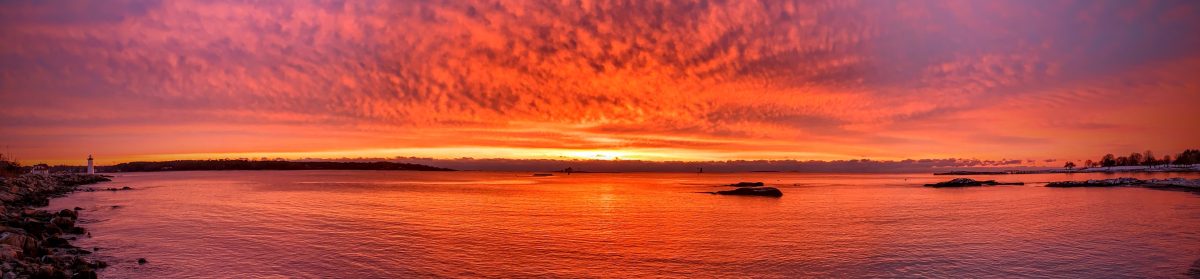
I may look past a vaguely queasy horizon line, and instead focus on a rocky outcropping turned midnight black to set off a riotously colorful sunrise. The opaque velvet that complements jewels, deepening their use of light to enhance their dazzlingly reflected and refracted cores.

Beneficent balance.

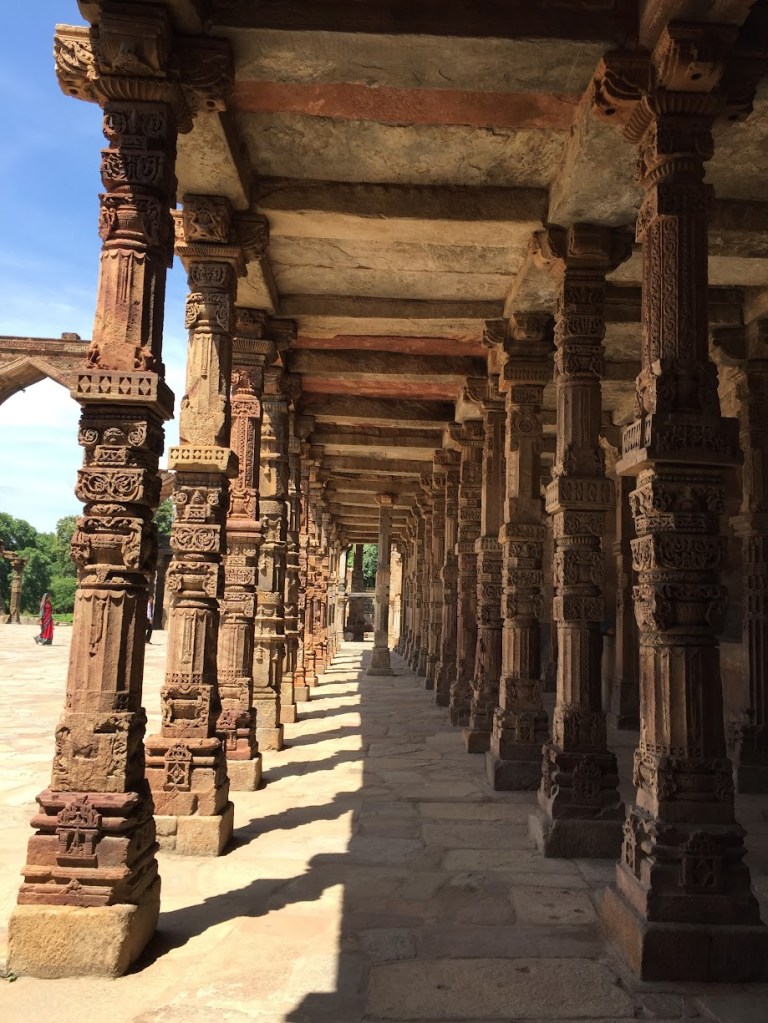
We may find glorious asymmetry over time and space, too–wherever the living and breathing now walk or touch down along (or grow nearby) the paths of beings who occupied them in the sometimes very distant past.
Sometimes the balance shifts. The past is restored or renewed and the present fades by shades into the background.

Old Ironsides, rebuilt and docked in Boston Harbor, where the setting sun blankets the city skyline it obscures. An ancient Spanish Galleon docked within a cobblestone’s throw of a Starbucks housed in an old Captain’s House on Massachusetts’ North Shore. A 19th Century carved Eagle freshened with gold leaf overlooking 21st Century Halloween crowds in Salem. Modern wares for sale in an ancient markets in Fez and Marrakesh. Winding Torii gates in Kyoto, where tourists look up into ancient bamboo forests that seem to converge at a point miles above them.

A single image may involve quite a few balancing acts. Day melting into night. Blazing and muted colors, both reducing to black. Budding and emptying, upright and bowed, fall and winter.

Past and present.

Mountain trials echoing with once-solid weighted steps are now carried with us as we climb alone.

It can be a delicate balance.

Fleeting Façades

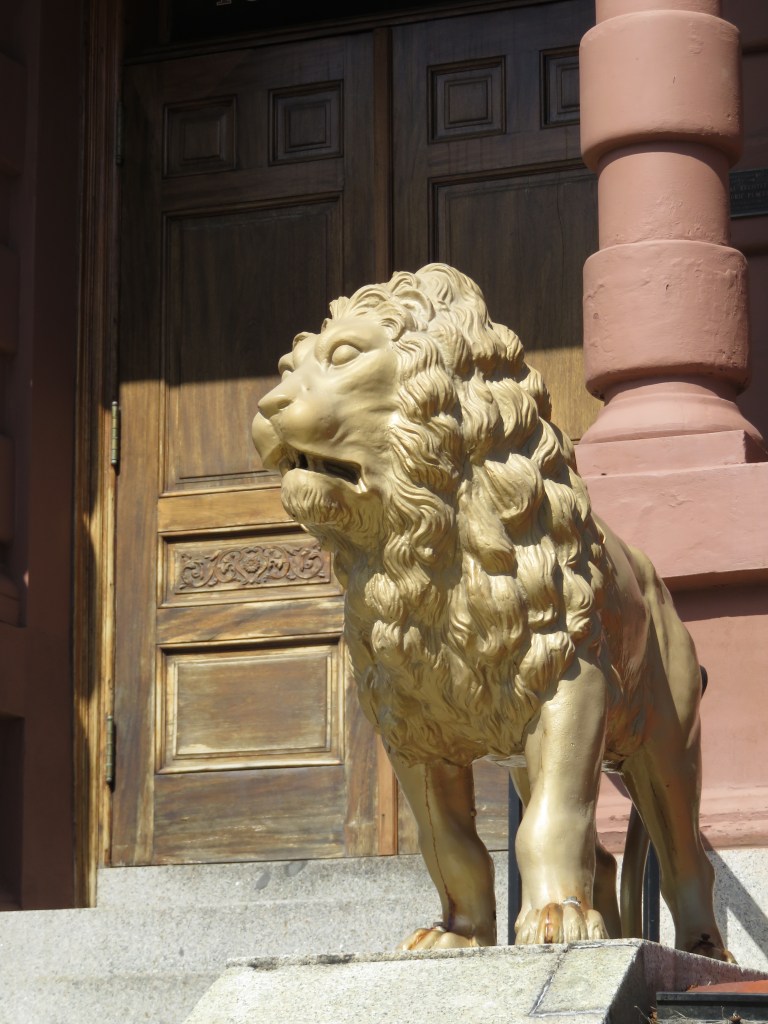
The lion or the lamb?

A façade sometimes bears little relationship to what, or whom, you will find beyond it.

(As has been underscored to me by more than one bitterly divorced friend, what you expect from what’s on display is not necessarily what you will find.)

I come from a generation of buttoned-up New Englanders and introverted first-generation Brooklyners. Putting aside childhood theatrics and the professional behavior necessitated in criminal courtrooms and other adversary situations, we tend to be back-benchers in social settings. We’re not temperamentally inclined towards public displays of any kind. I may be a lioness in court, but dissolve in tears when I am alone, missing people I love.

We’re more Eames than Baroque. My mother’s collages and paintings used clean lines and empty faces which viewers are free to fill in. My late husband filled a Federalist home with a truth-in-advertising interior of hand-hewn pine furniture that was Quaker-like in its simplicity. I moved from there to a much tinier Victorian house and outfitted it in mid-century Danish Modern. (It was, as they ironically say, a look.)

I leave the most raucous visual displays to nature. As one must.

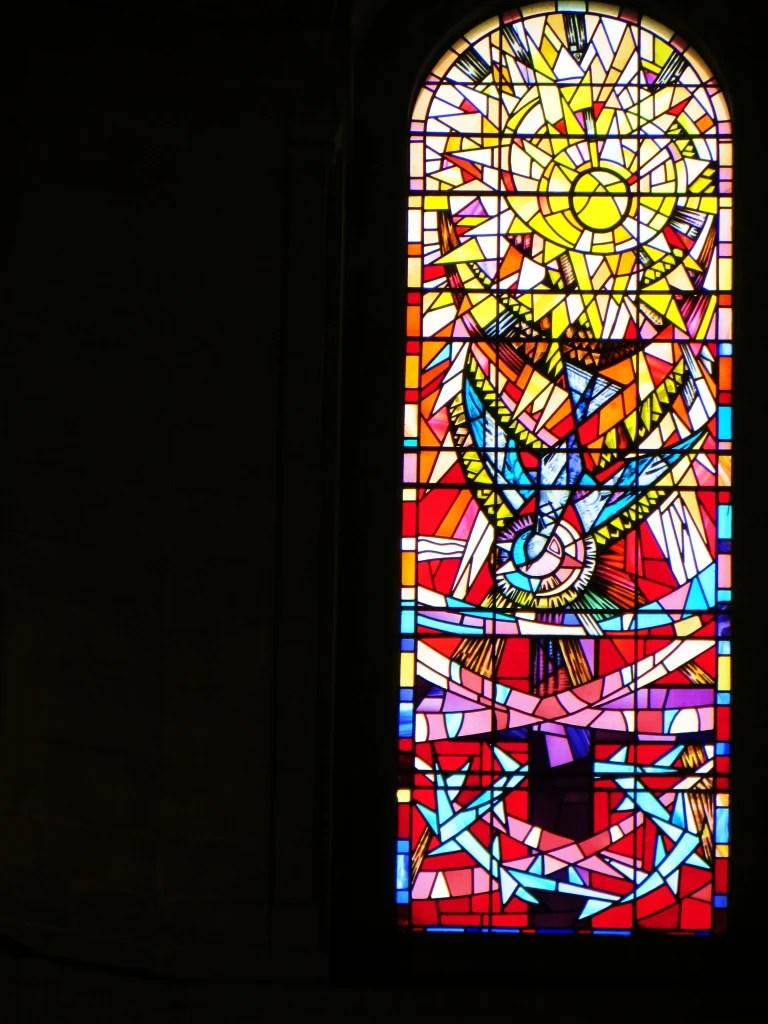
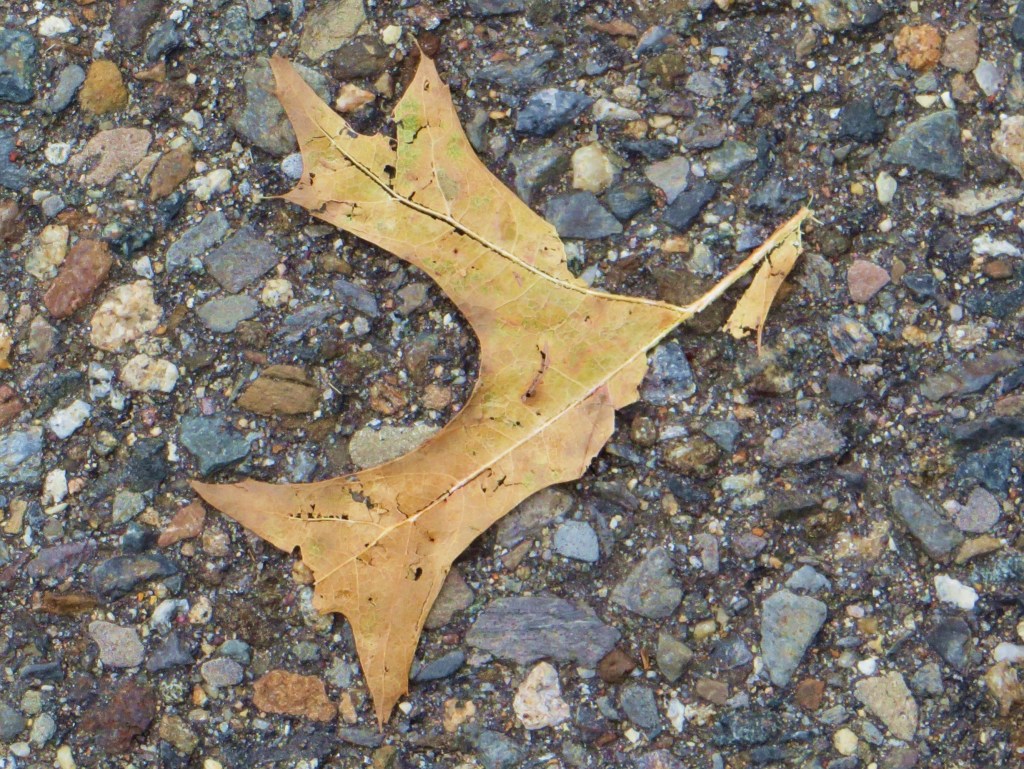
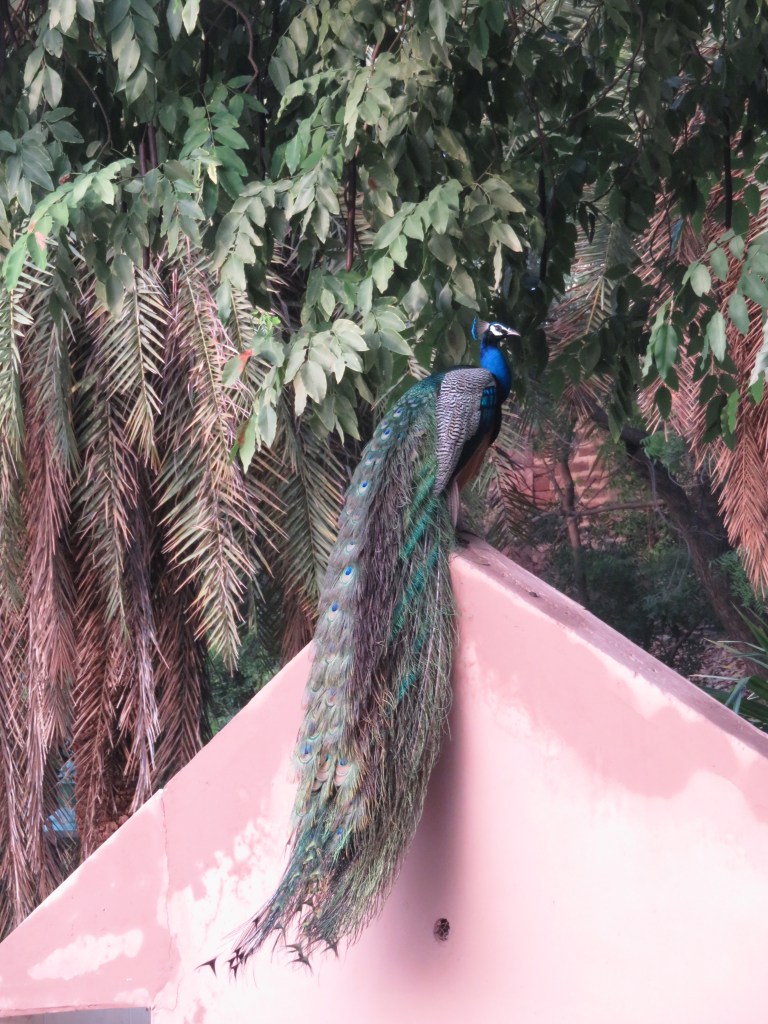
Between sunrise and sunset displays, I see nature showing off all around me. A Maple leaf crushed underfoot, transformed into an ascending dove A single bird perched in Jaiselmer, like its tethered twin in the exquisite miniature painting that hung on display in a New York Museum gallery in The Goldfinch.

I’ve realized only in reflecting about what I choose to exhibit that the photos which adorn my desk and wall are of discrete displays. Every day, I look at the series of black and white portraits arrayed at my eye level and see my children on the day my husband coaxed them into posing for a Mother’s Day gift. I feel my heart settle every time I see their faces, carrying me back to the old yellow house my husband loved when we were a family of six (not counting the beagles and their own occasionally unfortunate mischievous displays). When my husband was alive and we had no inkling anything was amiss.

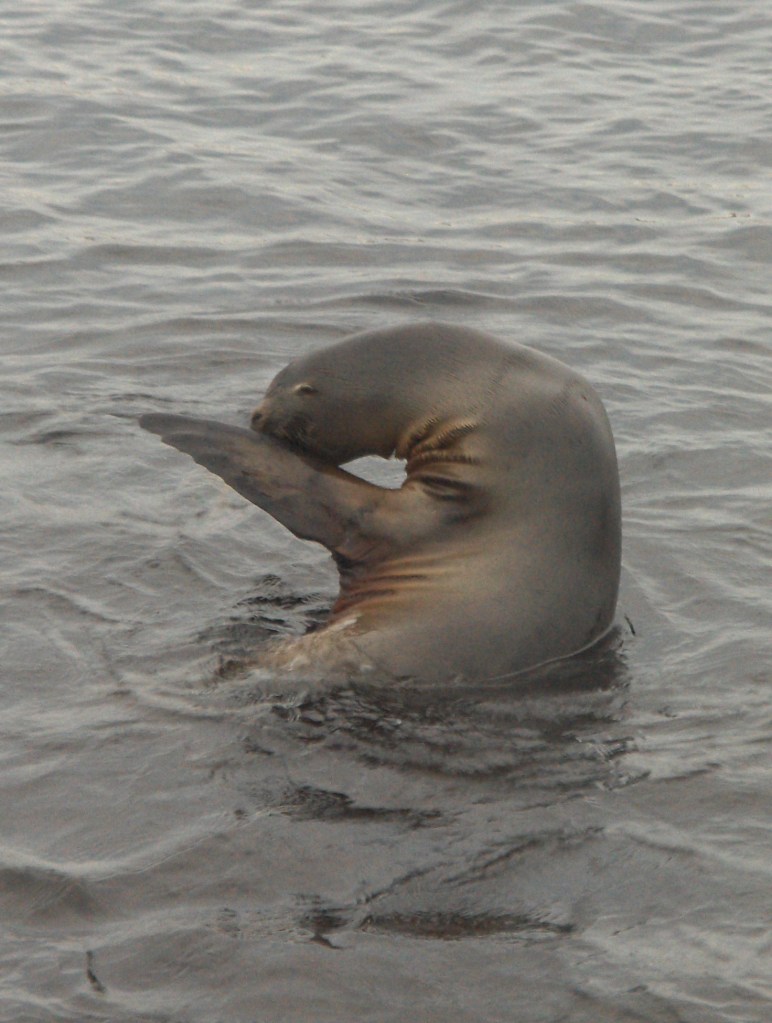
Nature continuously launches and reformulates its own displays. The outdoor photos my husband took and I’ve framed are of colorful performances among living creatures in their prime: a male frigate’s stunning (and successful) performance before a rapt audience of potential partners; scarlet macaws’ mating dance; magnificently armored molting reptiles making their rounds. A voguing sea lion. An icy silver heart lit by moonlight and delivered by high tide, displayed like a crown jewel on a black velvet beach in Iceland.

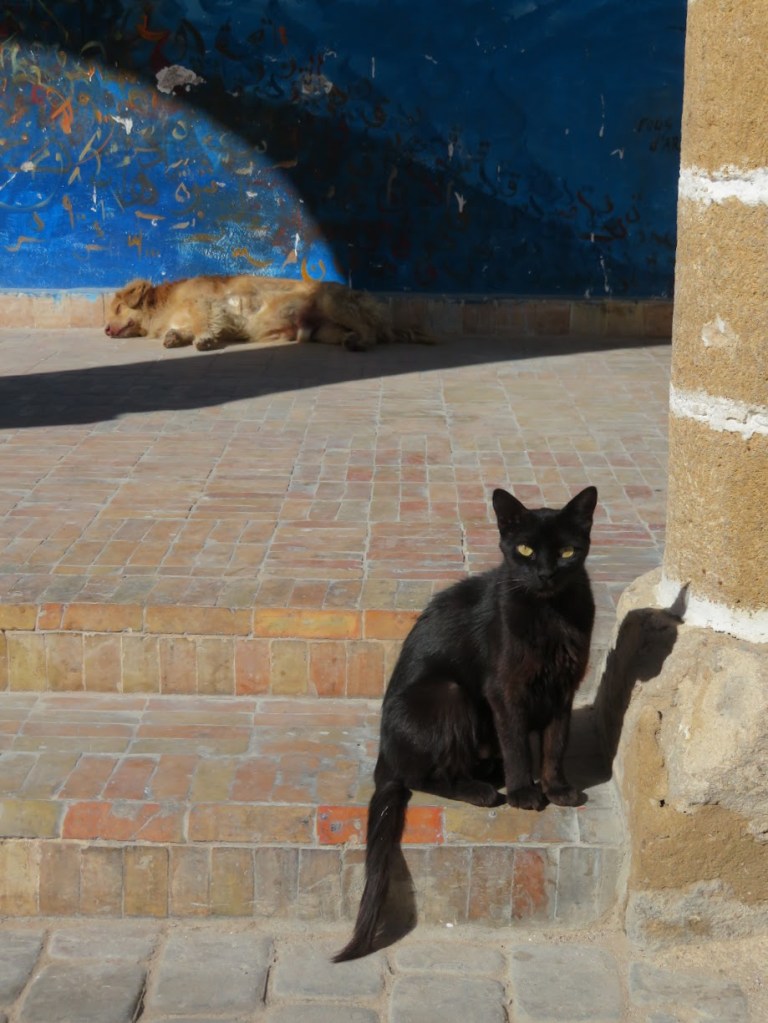
From the air, it seems like the Blue Planet itself is on display. Closer in, I’ve been struck by displays left by unseen human hands. Installation art in Boston and New York City. Wares and murals in Morocco. A single flower displayed against a silver New Hampshire pond. Birds positioning themselves within algae-slicked pier frames in Boston Harbor. A gathering storm beginning to show itself inland.

As with all art, capturing a display from whatever space I occupy in the world, and being able to share it, is both the privilege and essence of photography.