Each snippet of the past is shaped by contrast. Then and now. Before and during and after. The light that was and the light we now see. The place where we stood, the air we breathed, the living and the dead.
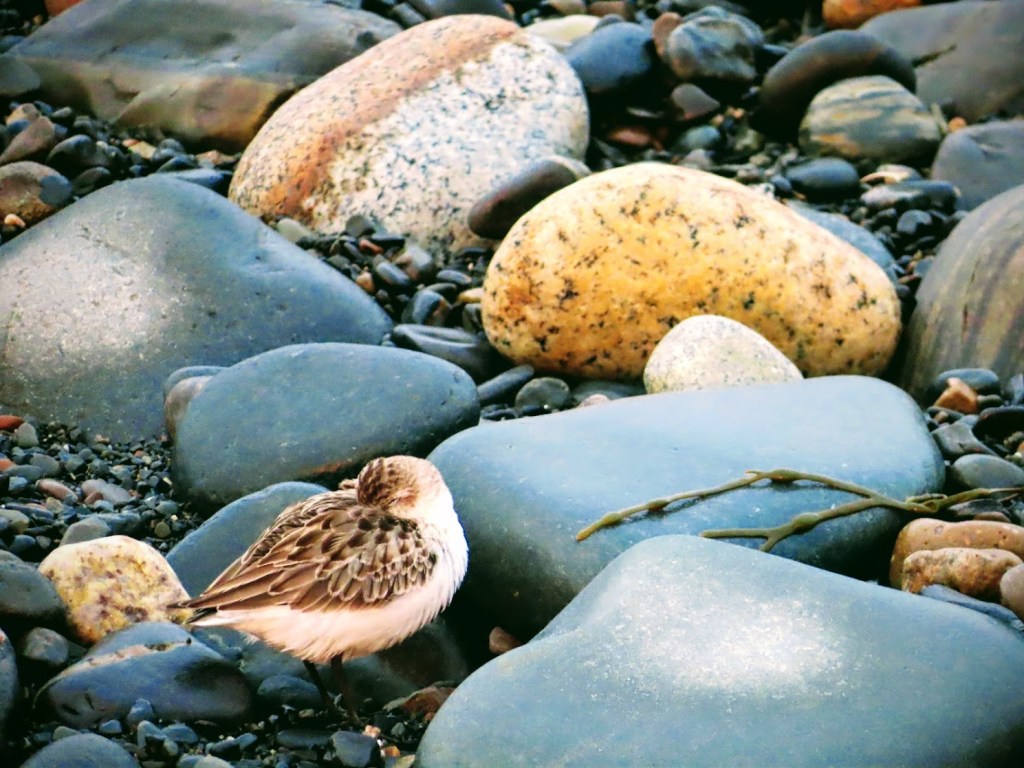
When I took the above photo, I was struck by the near-perfect parallel positions of an eternal rock and a juvenile Plover (who may have been preening or its opposite, hiding from relatively giant petite me). They shared cream undersides and identically angled topcoats of variegated rust and oak.
A single sentient being and an eternally evolving rocky shore, perfectly positioned together in the millisecond I captured them.
And each photo I take represents another contrast: I am both outside and in my own head, here today and somewhere in the past.
In a single image you may find opaque and transparant, solid and liquid, shallow and deep. Man-made and nature-born. Straight lines turned to wavering reflections. Black and unbound color. Earth and fire and water and sky. Day and night.
Earthly and ethereal. Prickly and soft: an adorable peril. Black and white.
Oil and water. Aloft and anchored. Vibrant and fading.
Liquid and solid. Water and ice. Trapped and free, by degrees.
An unfinished panorama my husband had been piecing together
Finished and unfinished. Work and play. Practice and perfection. Hits and misses. Monsters and men. On and off base.
A façade sometimes bears little relationship to what, or whom, you will find beyond it.
(As has been underscored to me by more than one bitterly divorced friend, what you expect from what’s on display is not necessarily what you will find.)
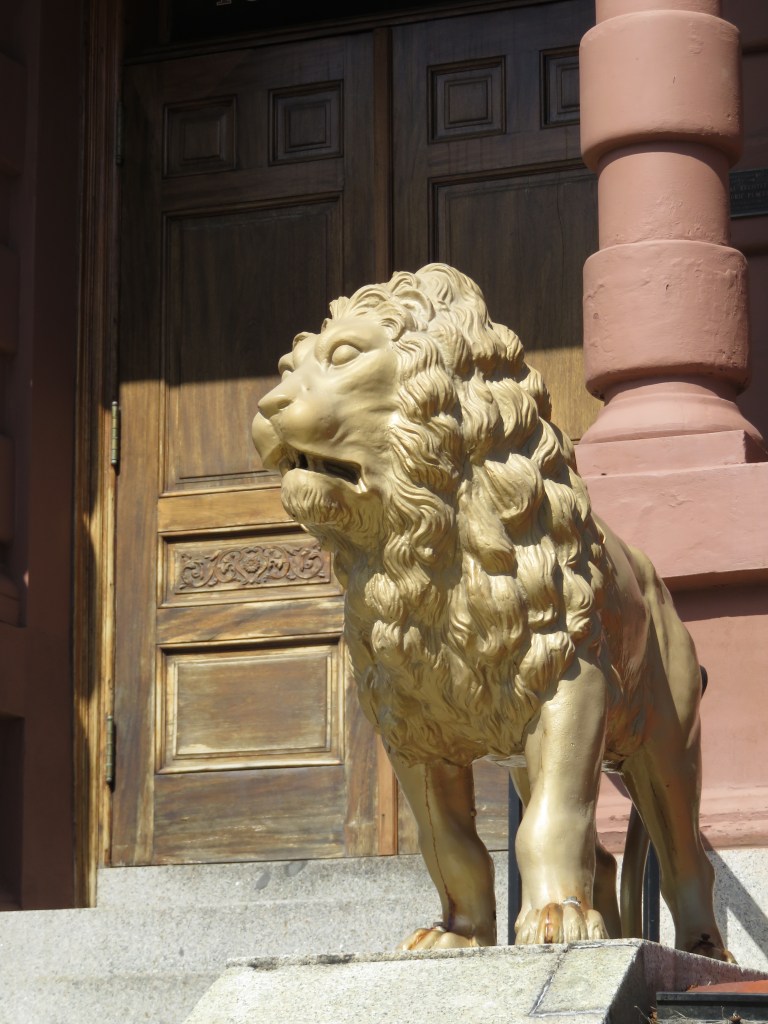
I come from a generation of buttoned-up New Englanders and introverted first-generation Brooklyners. Putting aside childhood theatrics and the professional behavior necessitated in criminal courtrooms and other adversary situations, we tend to be back-benchers in social settings. We’re not temperamentally inclined towards public displays of any kind. I may be a lioness in court, but dissolve in tears when I am alone, missing people I love.
We’re more Eames than Baroque. My mother’s collages and paintings used clean lines and empty faces which viewers are free to fill in. My late husband filled a Federalist home with a truth-in-advertising interior of hand-hewn pine furniture that was Quaker-like in its simplicity. I moved from there to a much tinier Victorian house and outfitted it in mid-century Danish Modern. (It was, as they ironically say, a look.)
I leave the most raucous visual displays to nature. As one must.
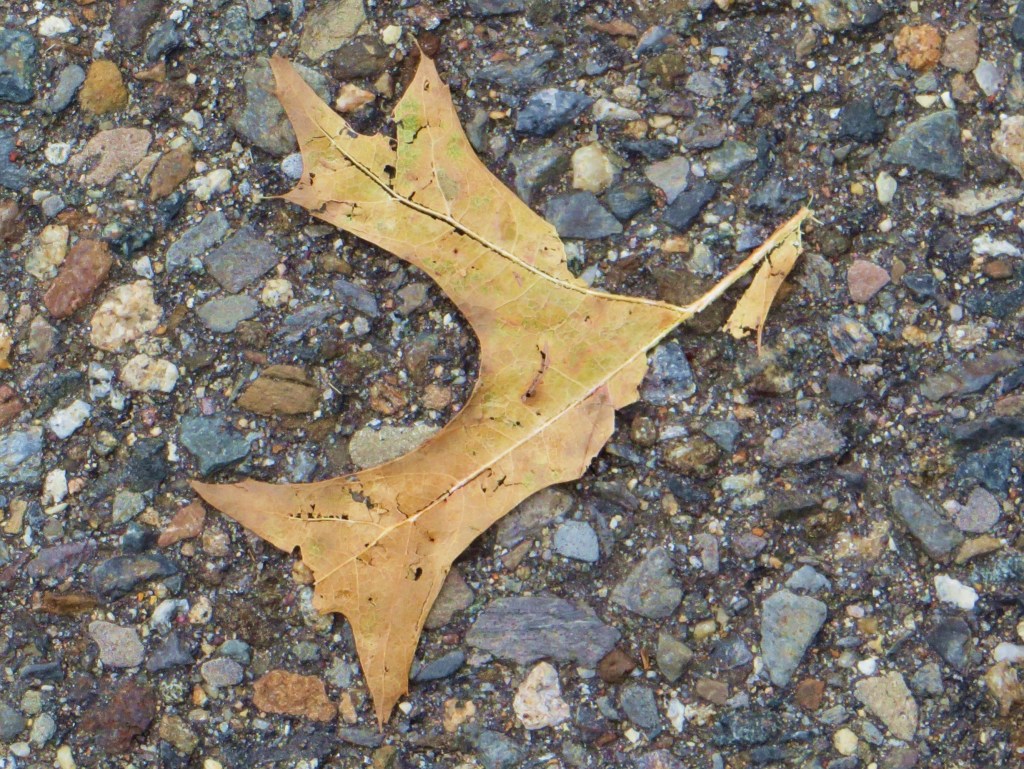
Between sunrise and sunset displays, I see nature showing off all around me. A Maple leaf crushed underfoot, transformed into an ascending dove A single bird perched in Jaiselmer, like its tethered twin in the exquisite miniature painting that hung on display in a New York Museum gallery in The Goldfinch.
I’ve realized only in reflecting about what I choose to exhibit that the photos which adorn my desk and wall are of discrete displays. Every day, I look at the series of black and white portraits arrayed at my eye level and see my children on the day my husband coaxed them into posing for a Mother’s Day gift. I feel my heart settle every time I see their faces, carrying me back to the old yellow house my husband loved when we were a family of six (not counting the beagles and their own occasionally unfortunate mischievous displays). When my husband was alive and we had no inkling anything was amiss.
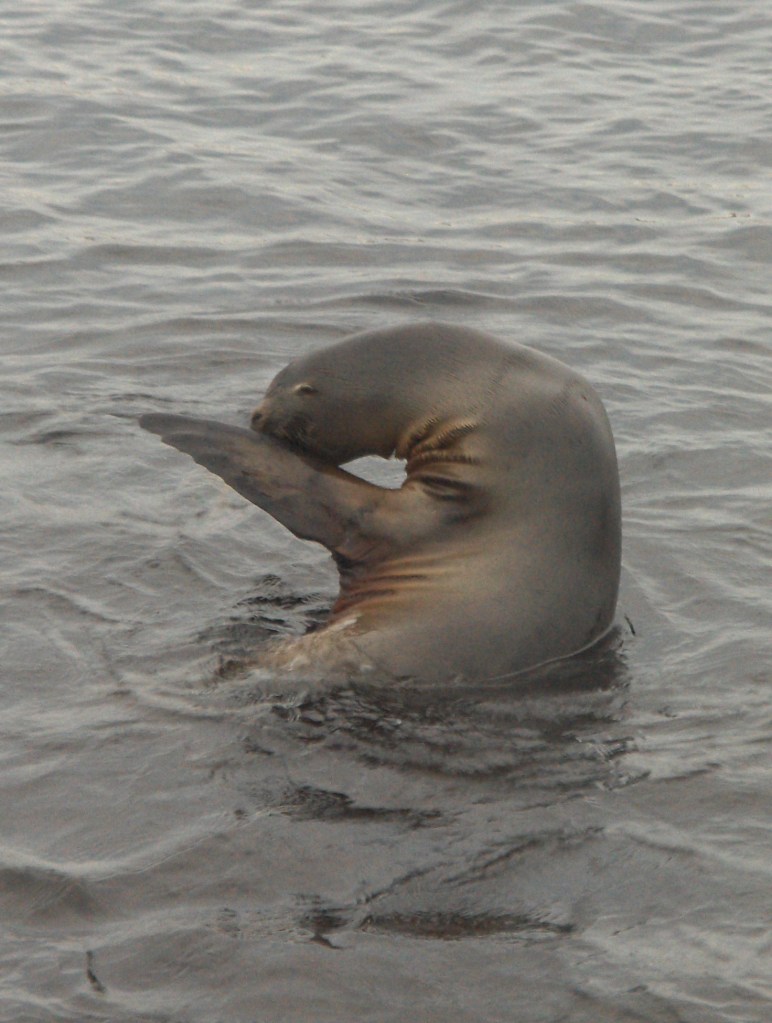
Nature continuously launches and reformulates its own displays. The outdoor photos my husband took and I’ve framed are of colorful performances among living creatures in their prime: a male frigate’s stunning (and successful) performance before a rapt audience of potential partners; scarlet macaws’ mating dance; magnificently armored molting reptiles making their rounds. A voguing sea lion. An icy silver heart lit by moonlight and delivered by high tide, displayed like a crown jewel on a black velvet beach in Iceland.
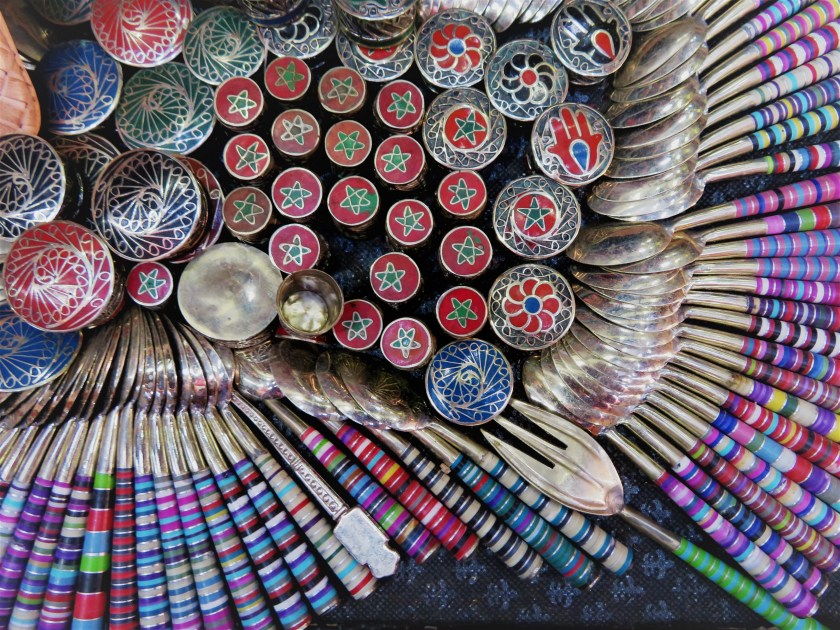
From the air, it seems like the Blue Planet itself is on display. Closer in, I’ve been struck by displays left by unseen human hands. Installation art in Boston and New York City. Wares and murals in Morocco. A single flower displayed against a silver New Hampshire pond. Birds positioning themselves within algae-slicked pier frames in Boston Harbor. A gathering storm beginning to show itself inland.
As with all art, capturing a display from whatever space I occupy in the world, and being able to share it, is both the privilege and essence of photography.
A horizon. The last day of a month. The contours of a moon as it waxes and wanes, or is bisected into planes by cloud ribbons. A season as it elides into its successor. A dock’s sharp edges rendered in wavering saltwater. The end of the visible world. On edge. Over the edge: on the verge of a nervous breakdown.
Edges of stone and glass and steel. Of solid and liquid, land and air. A rainbow’s or razor’s edge. The edge of extinction and at a day’s beginning and end. Crossing over the edge from photograph into art.
Of all the edges I’ve photographed, it’s the last and most metaphorical that immediately came to mind: not a visible border, but a feeling–of decided, edgy discomfort–captured in a single image of infinite shifting edges of basalt near the unsettled black sands of Reynifjara, Iceland. Sharply-shifting planes. Off-kilter bones of bilious algae-green.
“We rowed to the island where . . . offspring were likely to have recently hatched. . . . [He] carefully clambered to the cliff’s edge while the rest of us stood at the short distance the island’s circumference permitted. He beamed at us, his backpack weighting him as he stood with his back to the sheer drop-off to blue-green water and ragged volcanic rock. I held my breath as he slipped almost entirely out of view while leaning away from the cliff’s edge at a respectful distance from the nest, which was built into the cliff’s face and none of the rest of us could see. Jim may well have been the only human ever to have had that vantage point and beheld those new lives.
I watched the sun glint off something out of sight, probably his wedding band, as he clicked his camera’s shutter with his free hand. I shouted into the wind for my terminally ill husband, who would not survive that season, to be careful.
I am sure he grinned if my voice carried his way.”
I rarely photograph primary colors. I grew up in a household where paints were rigidly sequestered in their tubes and only sparingly dabbed onto precious watercolor paper. But outside, even primary colors are rarely static.
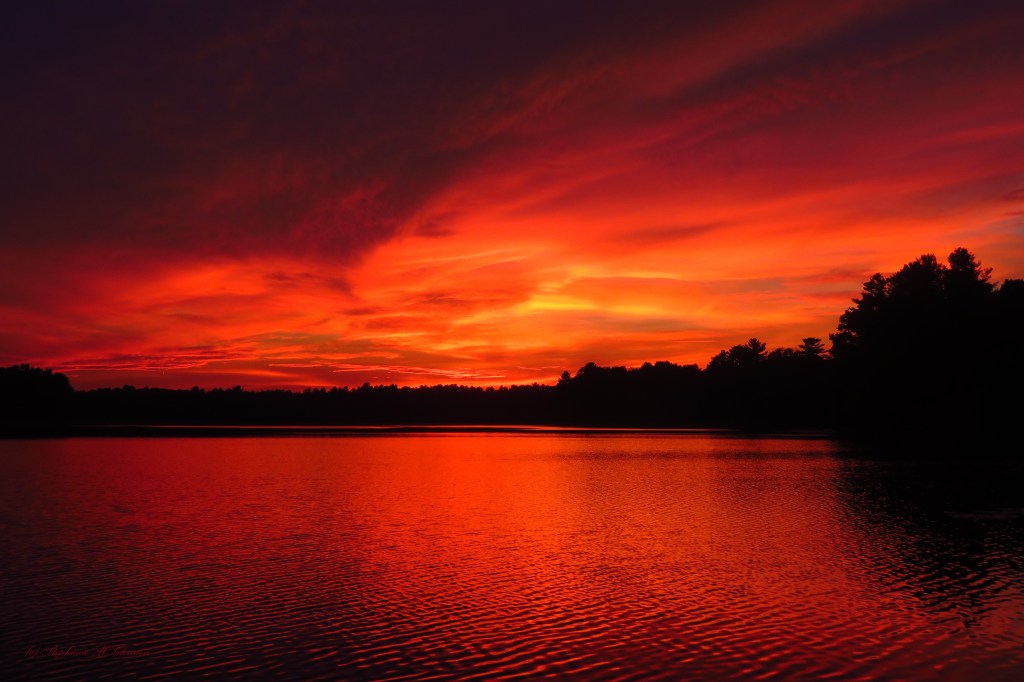
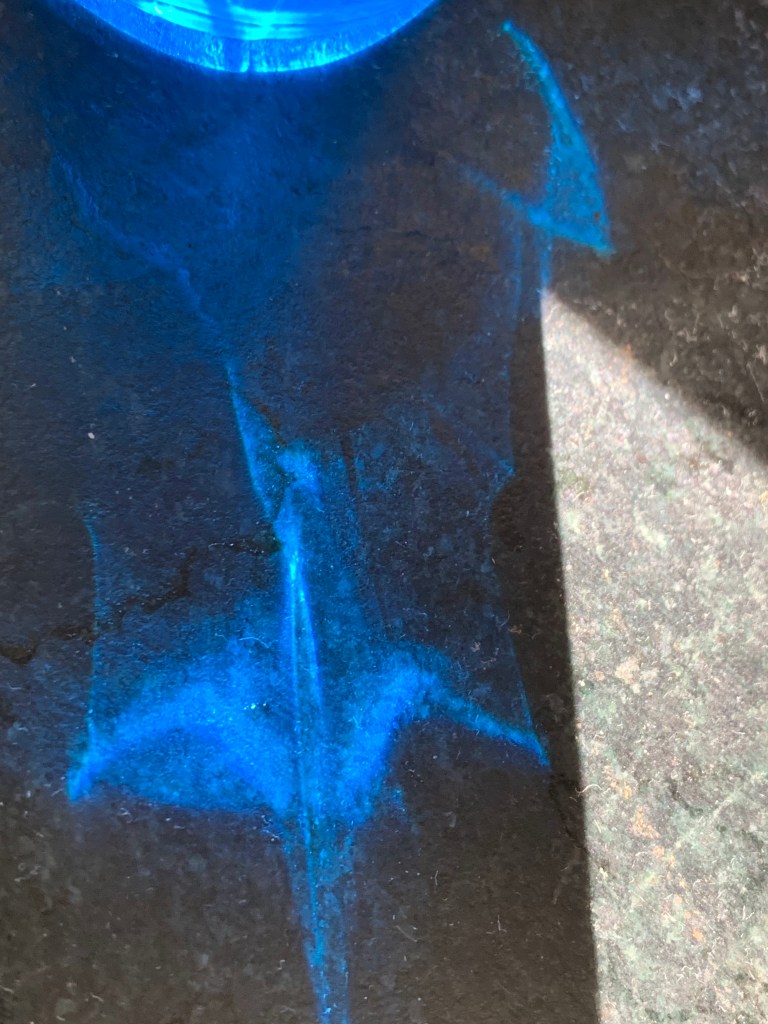
Of course, sometimes color itself is an illusion. Georgetown, Massachusetts’ reservoir is not filled with scarlet water. Portsmouth, New Hampshire’s colonial-era waterfront is not actually bathed in yellow. No ancient cobalt fish, nor any color at all, resides within the soapstone slab below; it is plebeian daylight refracted through dishwashing liquid.
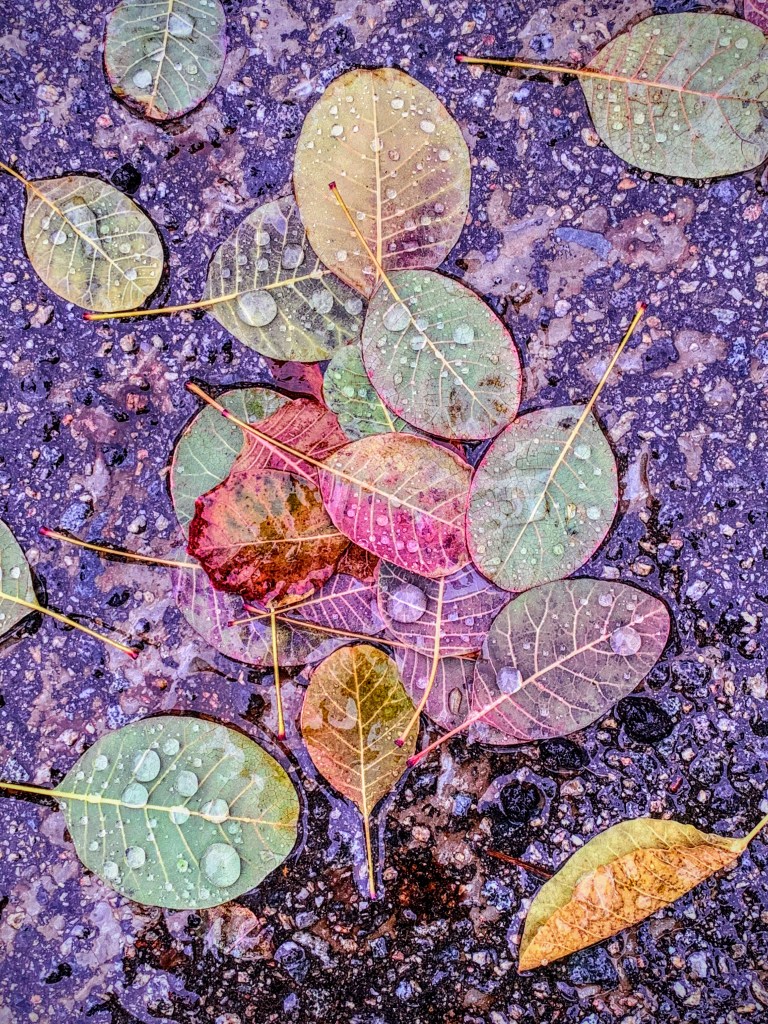
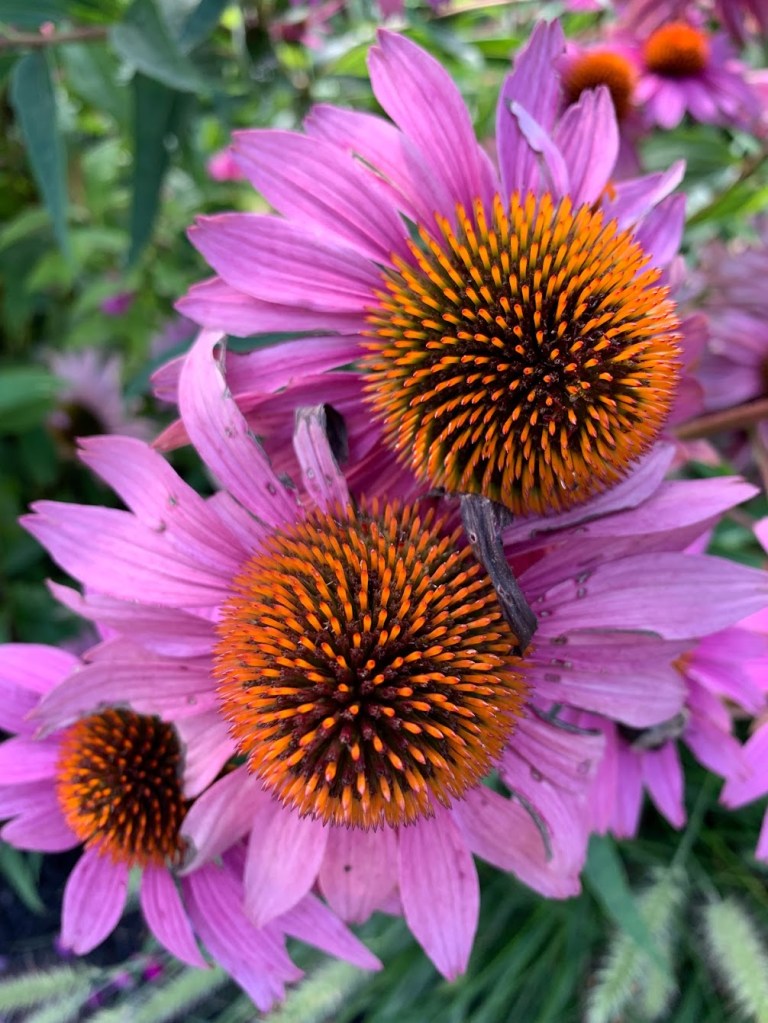
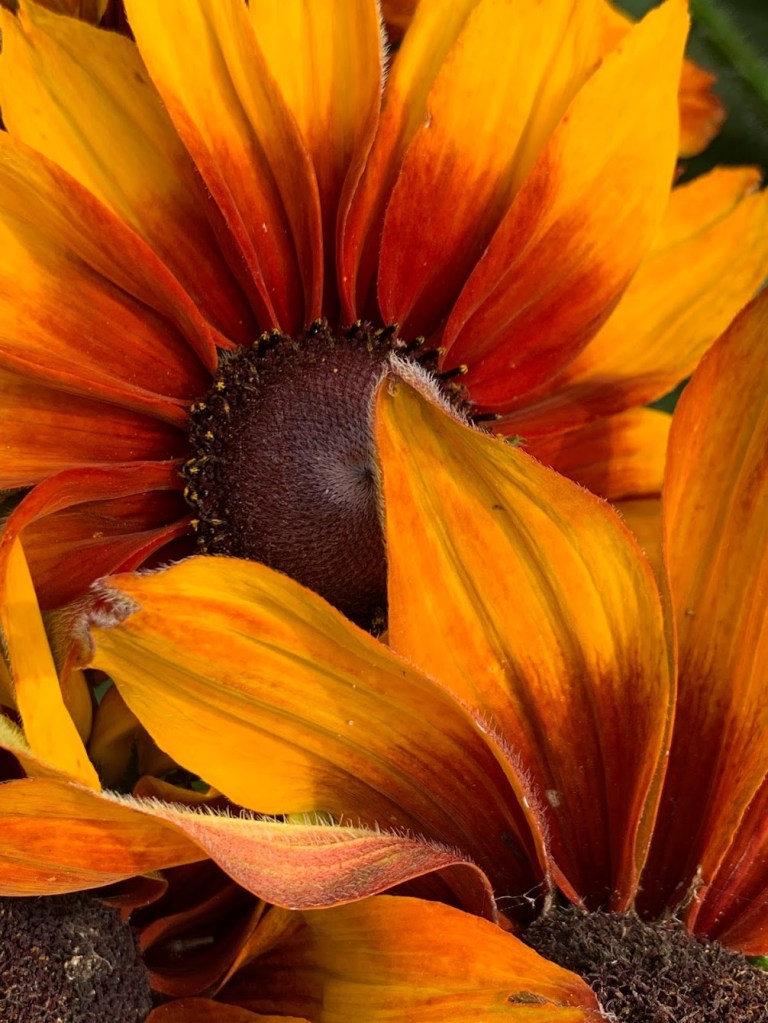
In general, I find pure and primary colors less interesting to capture. I’m drawn to gradations. To transfigured, quickly changing–even messy and decaying–colors all along each spectrum. One kind of magic happens as opposites on the color spectrum gather, in autumn leaves and gardens and water and sky.
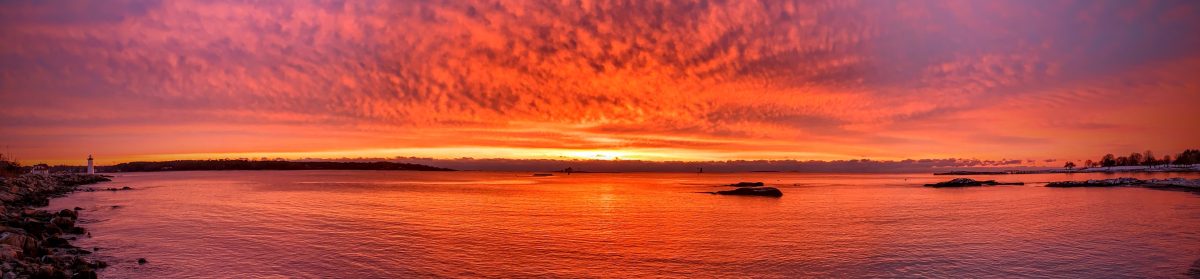
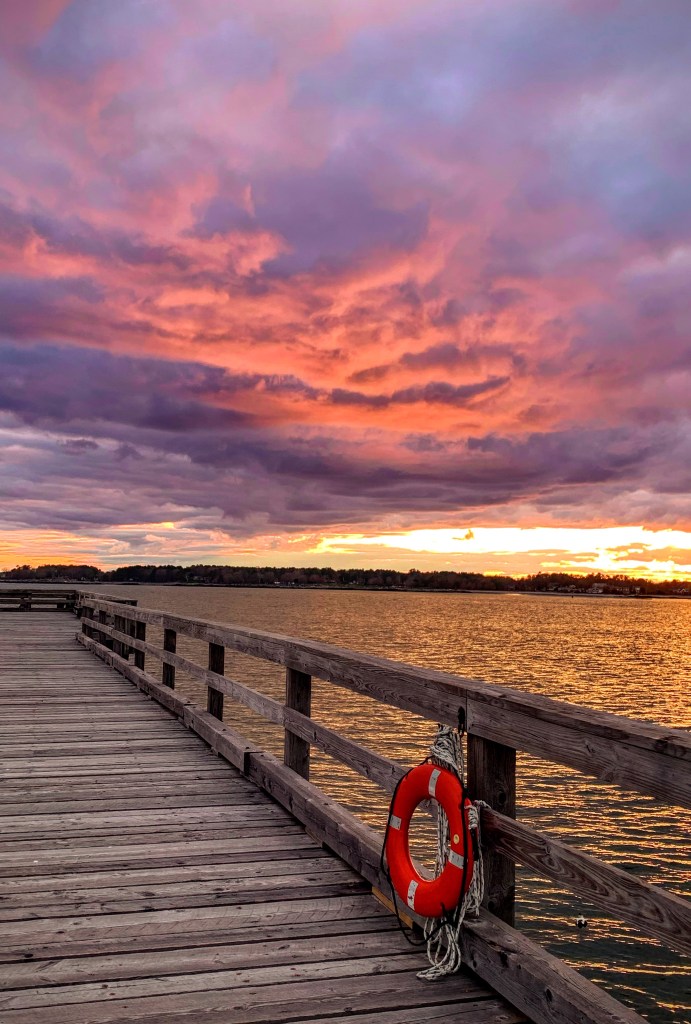
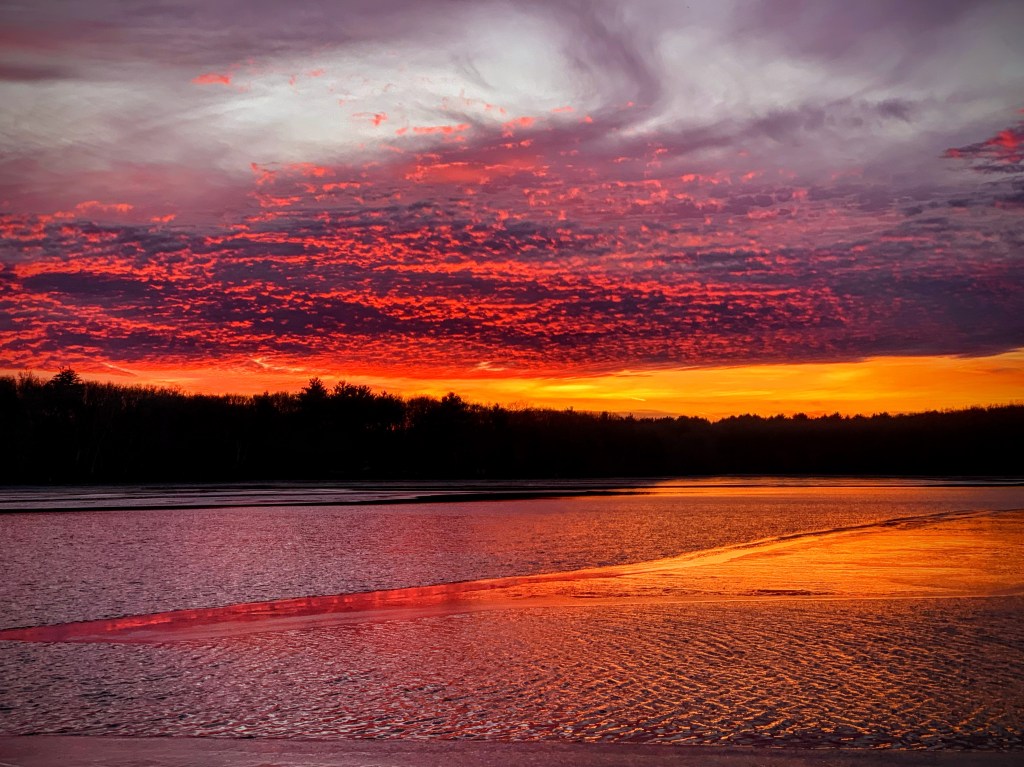
And the changes are always worth waiting for. The slightest disturbance to a pure red sunset over water may turn it into strings of rubies over rippled black velvet, and to violet dragon’s breath clouds.























 Love in the Spaces