Rabatment and Ruins

Plum Island, Newbury, Massachusetts

It’s all about the balance.

I’d neither learned the techniques people use to frame shots with a “real” camera, nor ever heard of rabatment until now. It is but one way to capture a slice of the world with rectangles-within-rectangles.

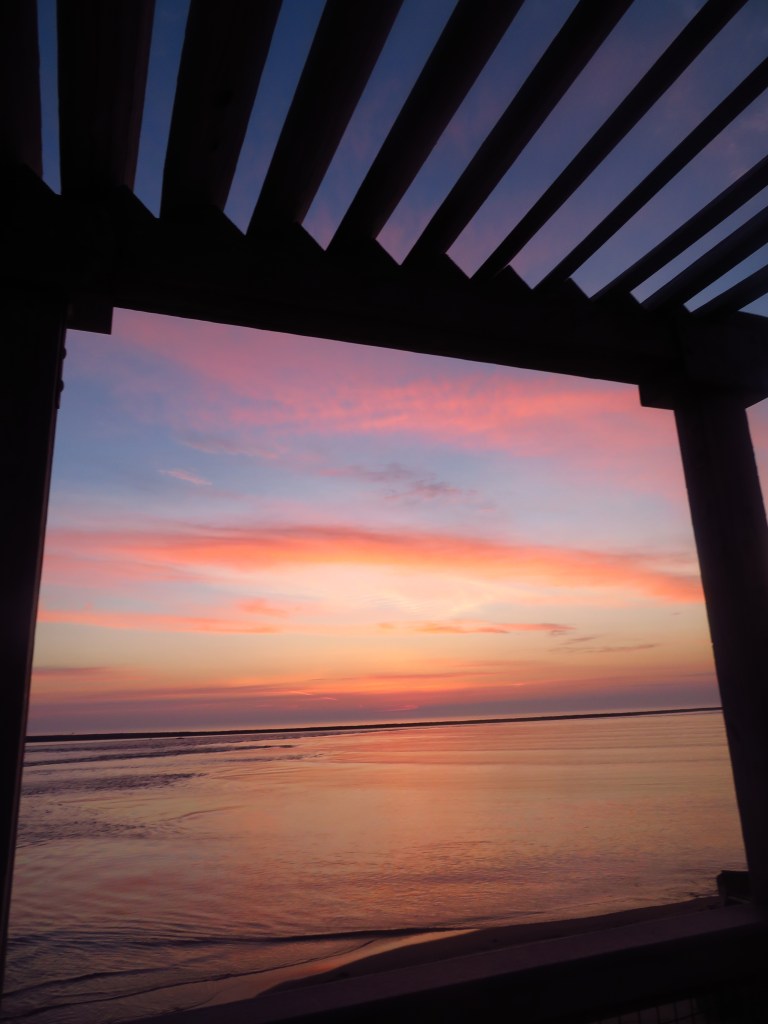
Consider all the lines one could draw to carve up the whole of a Plum Beach sunrise space into geometric planes. The cornflower sky becomes slatted air, as if one could reach up and gather sunrise’s starbursts into a morning monture.

Light and air carve off rectangular planes from landscapes of still water and gusting sky.

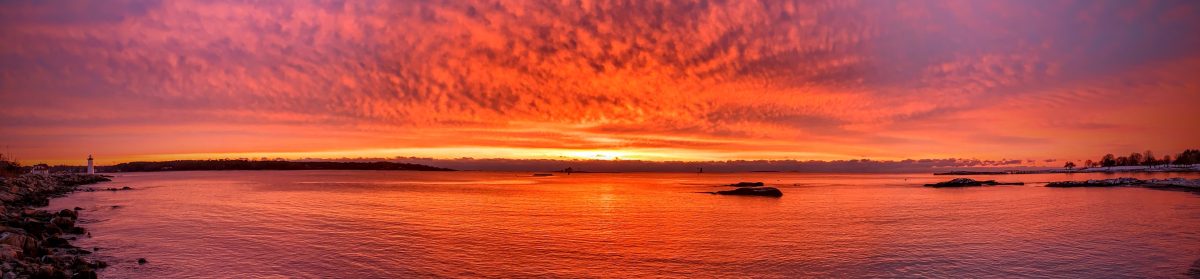
The above photo was taken on an extraordinary sub-zero Massachusetts morning. It somehow packs in each separate category of cleaving and balance in a landscape: rabatment on the left, where a leafless island tree anchors the composition; sky sheared off at the lower third, where the Merrimack River flows East to the horizon and the Atlantic; and a trick of light and clouds that slices straight down the mid-seam.

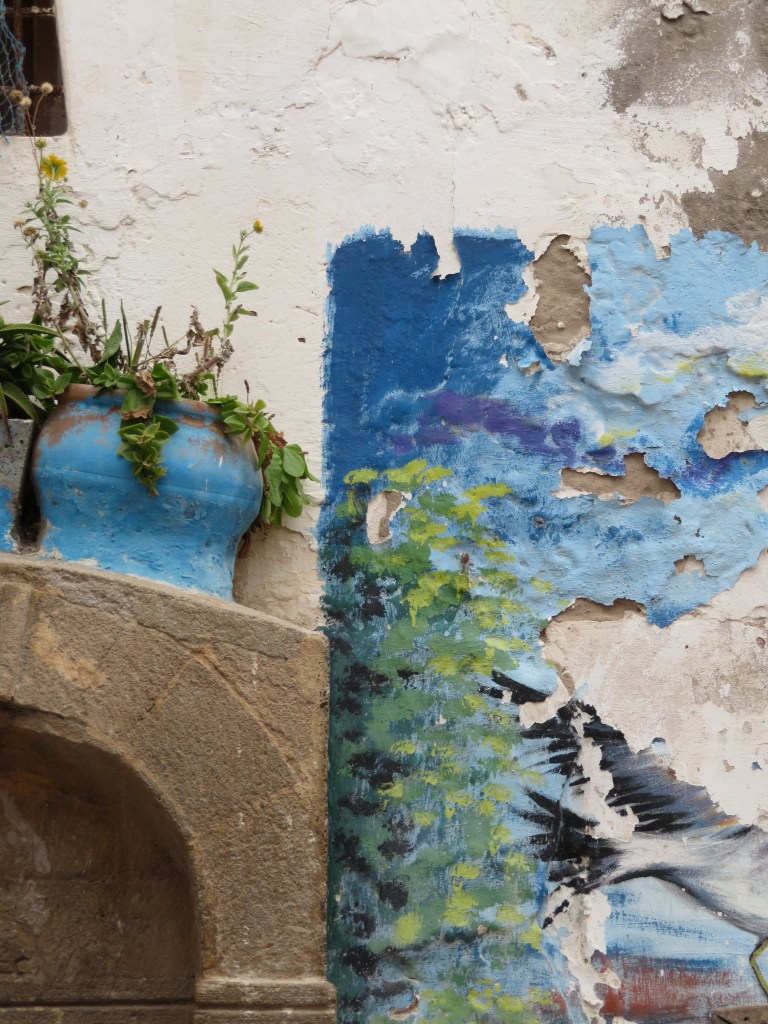
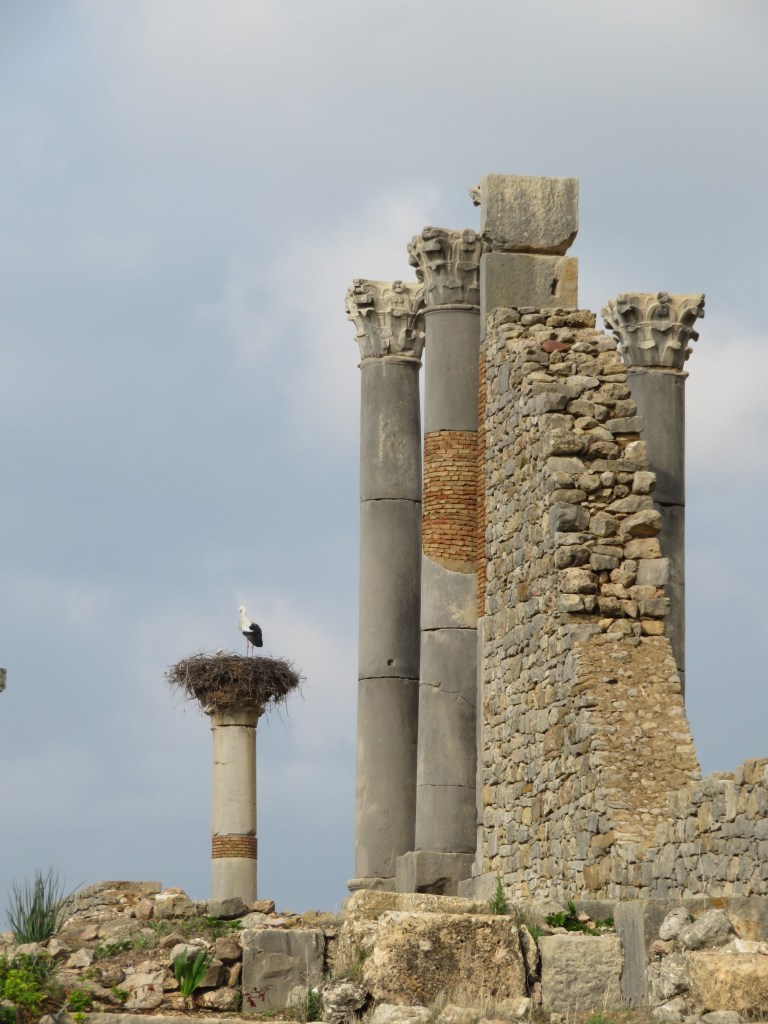
And I could not possibly leave the subject of rectangular composition without sharing a bit of rabbatement–tricks of composition by means of color and light and segmented negative space in and around another Rabat. . . .

I Walk the Line

Above and Below the Line

There’s a certain thrill in clenching a fist at a poker table, before opening it to reveal one chip, two chips, or an empty hand.

Are you betting against the high hands or the low hands? Or are you betting it all on winning both by extracting five of seven cards for the high and a different group of five for the lowest low?

Will you take the whole pot, or nothing?

The possible highs and lows are limited by face-down cards you have not seen, and there’s no reward for anything in-between.

Wherever I’ve found myself in the world, my camera has been poised for the landscape shot. Extended into a panorama, my phone camera actively protests if I do not continuously anchor my shot at the exact midline of whatever’s before me.

The line where there is no up and no down, but just a steady line from West to East.

Unlike a photographic ouvre as a whole, the highs and lows are in strict, symmetrical equipoise.

I frequently focus on the horizon, the great midpoint of the view from a pint-sized human’s inconsequential height.

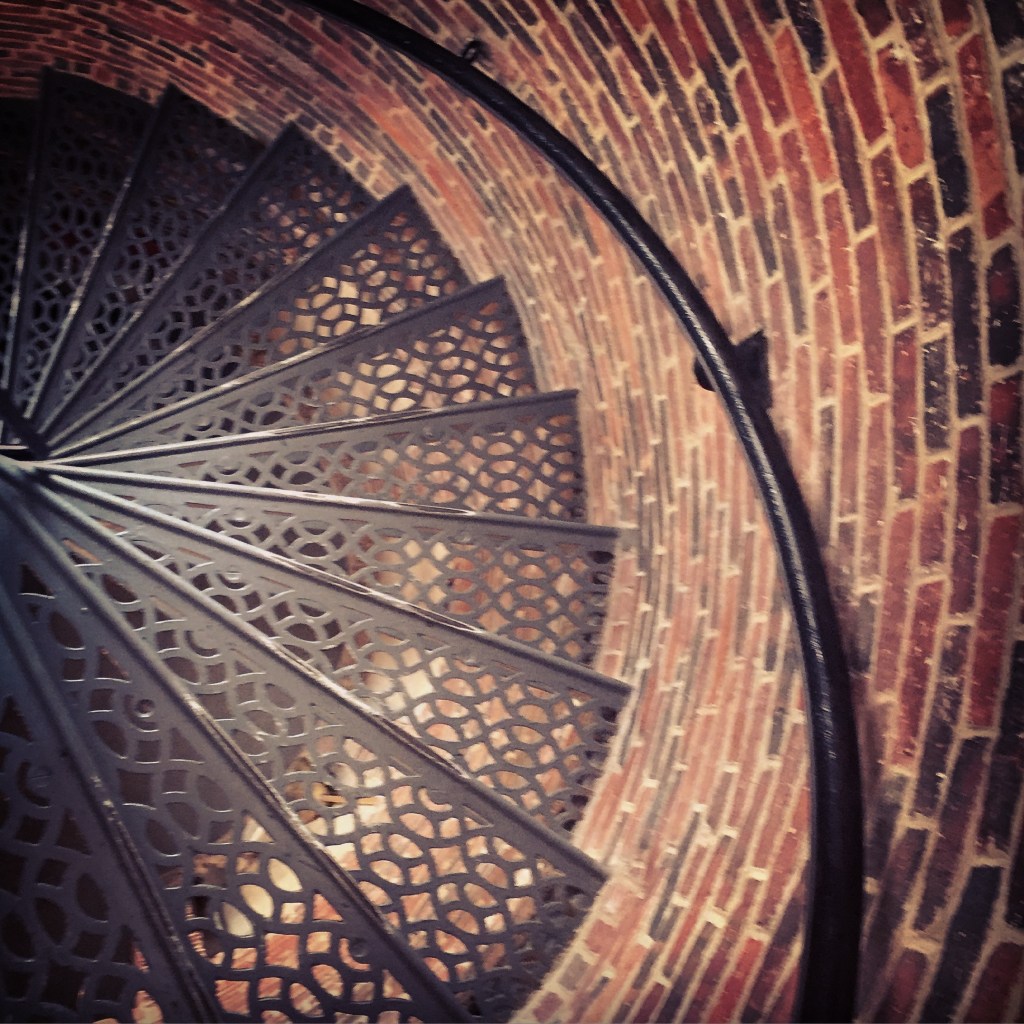
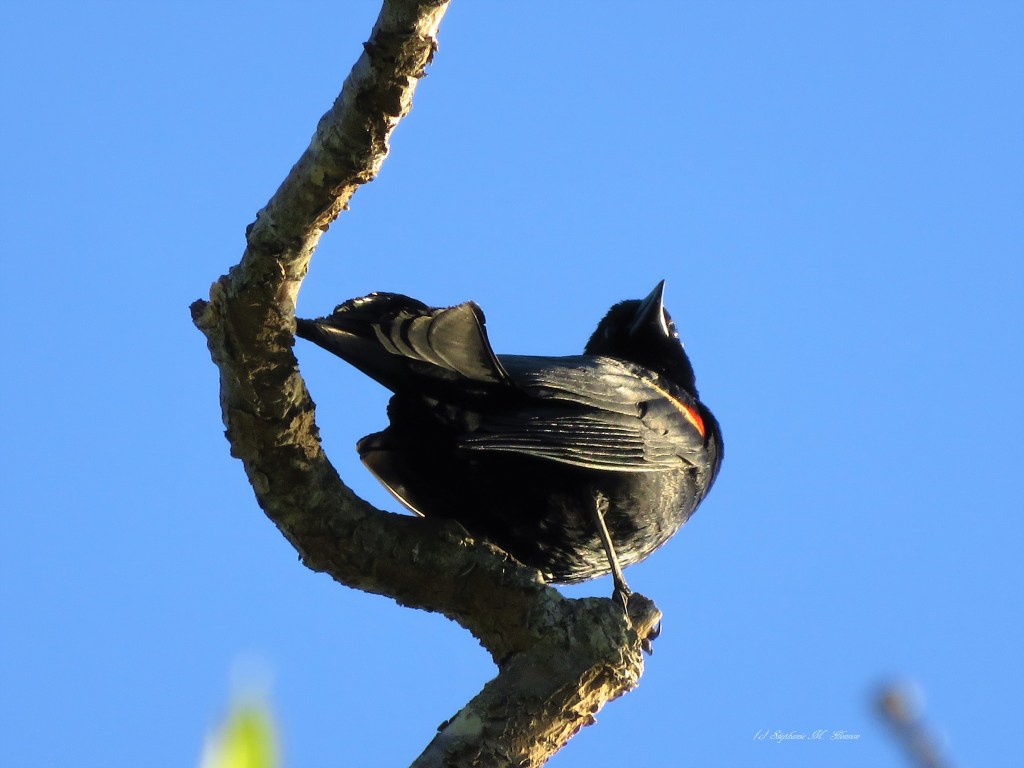
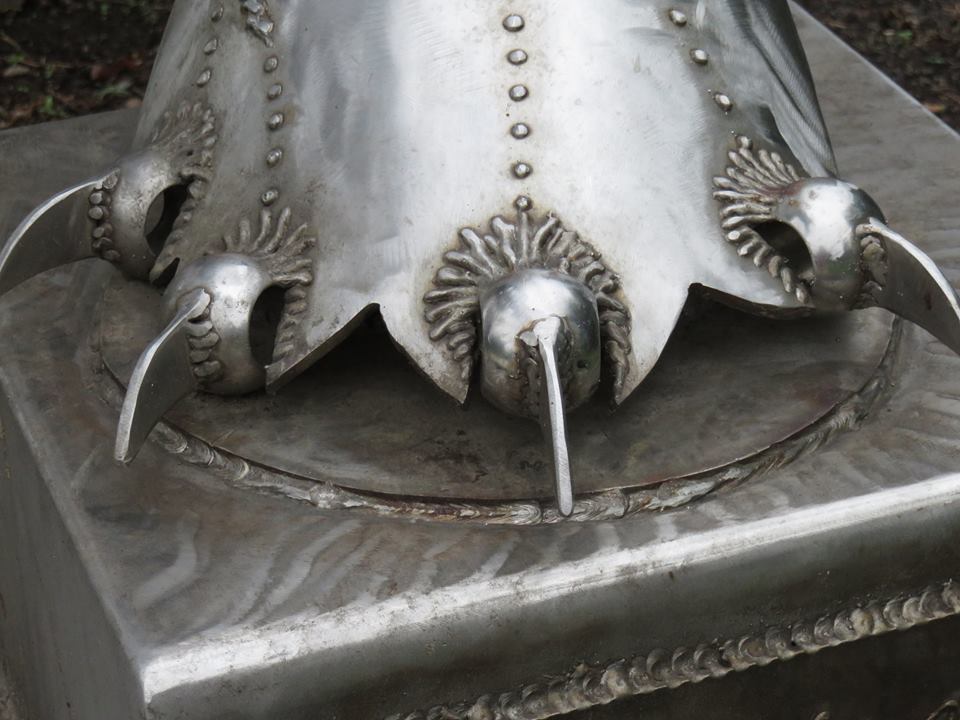
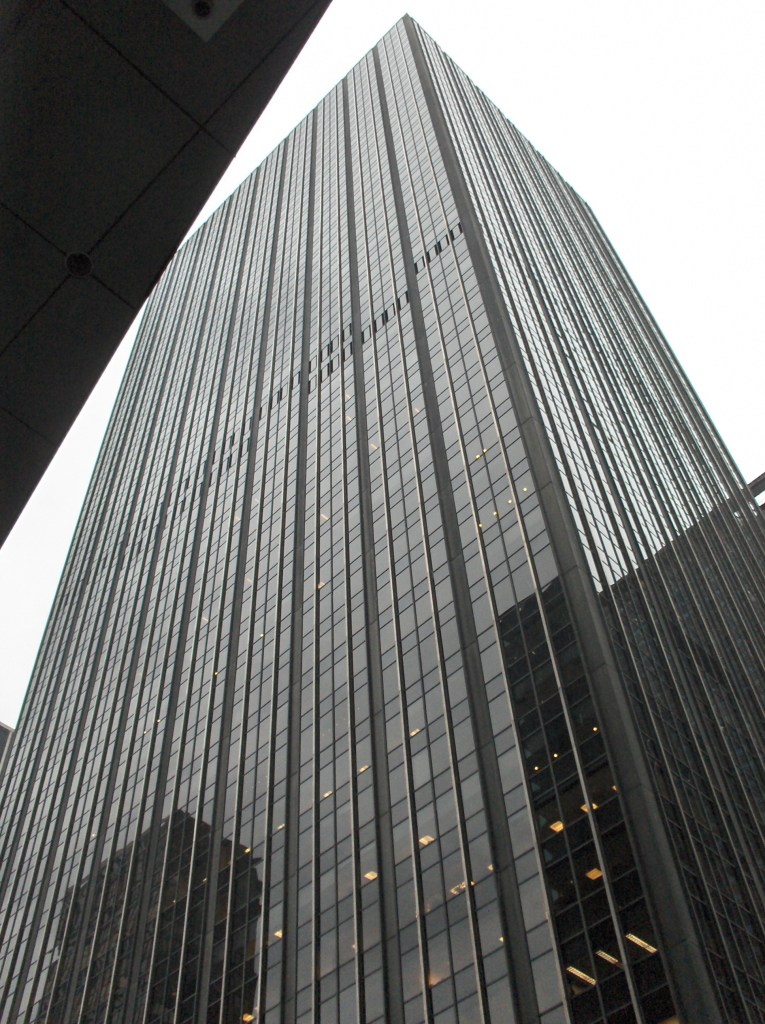
But sometimes I change it up. I climb a bridge or a mountain. A Hellcat tower or an Icelandic cliff. I fling myself underneath a giant spider sculpture and look up at various angles. I wade into the ocean or across a muddy bog.

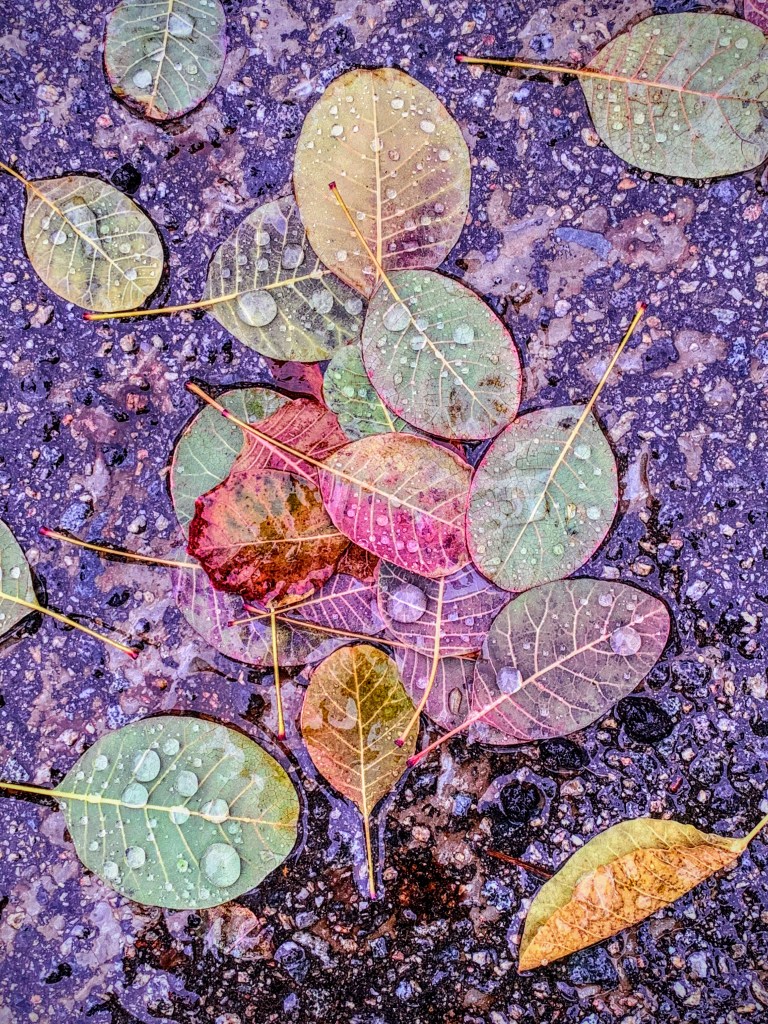
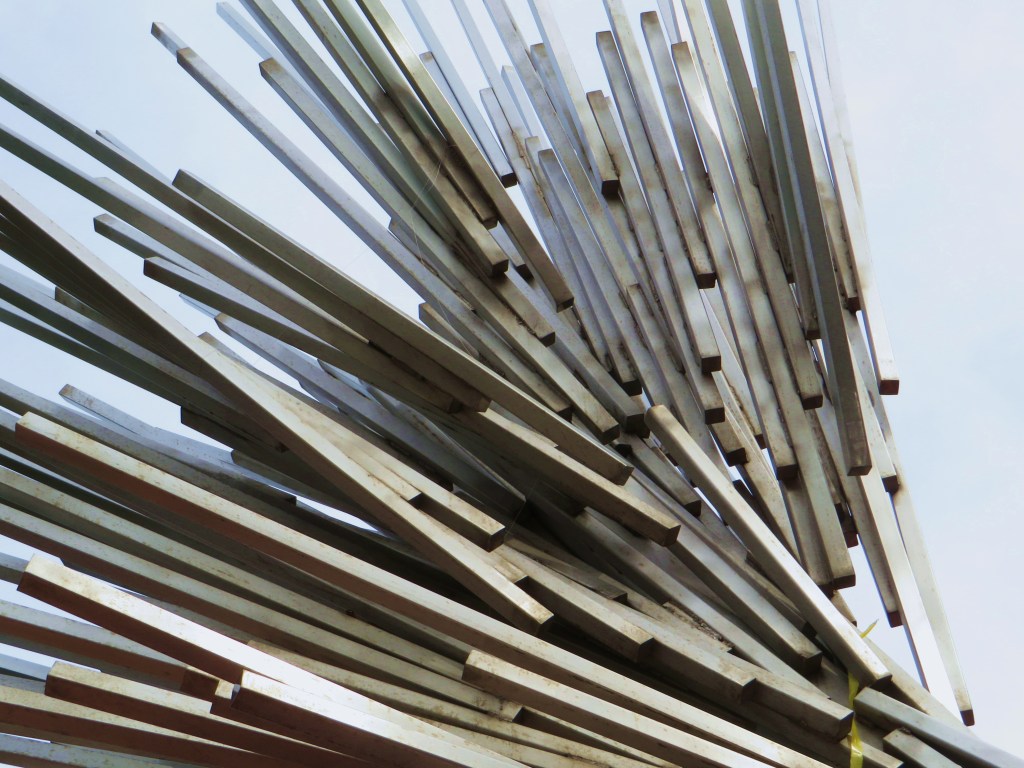
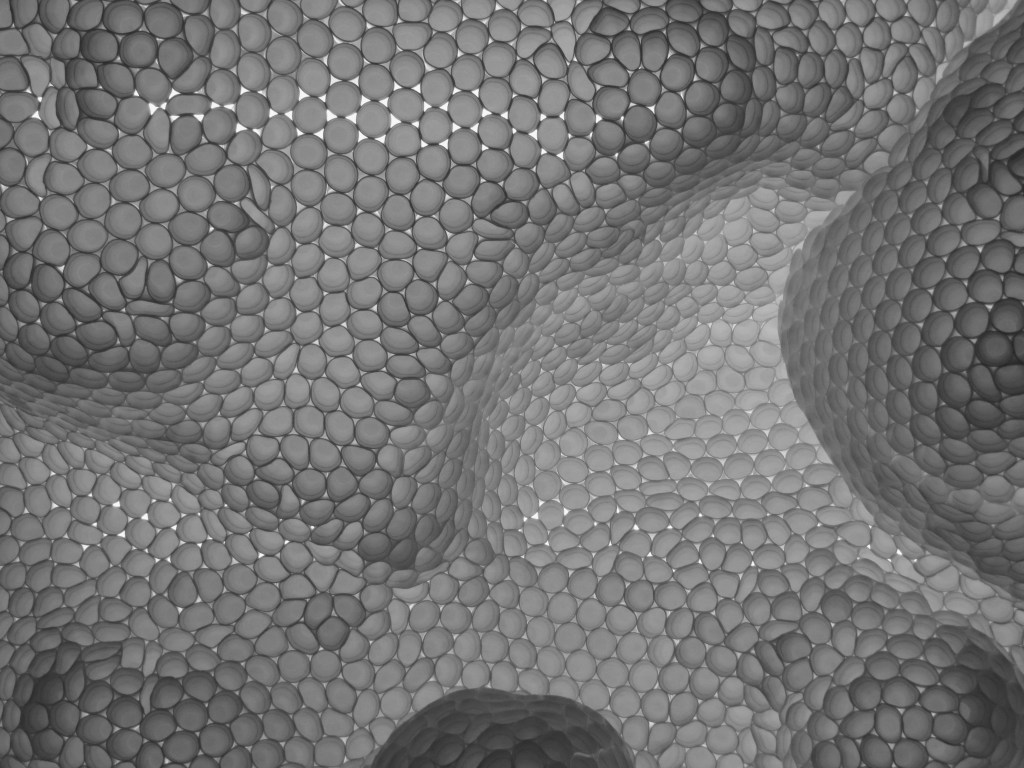
I point up at installation art, architecture, and intra-species imbroglios. I shoot high or down at the earth below my feet, excising external cues so viewers may have no idea what they are seeing, or how it fits into its surroundings. I shoot at reflected images which will never reappear in exactly the same light, color, or form.

The context is gone, so imagination can take over.

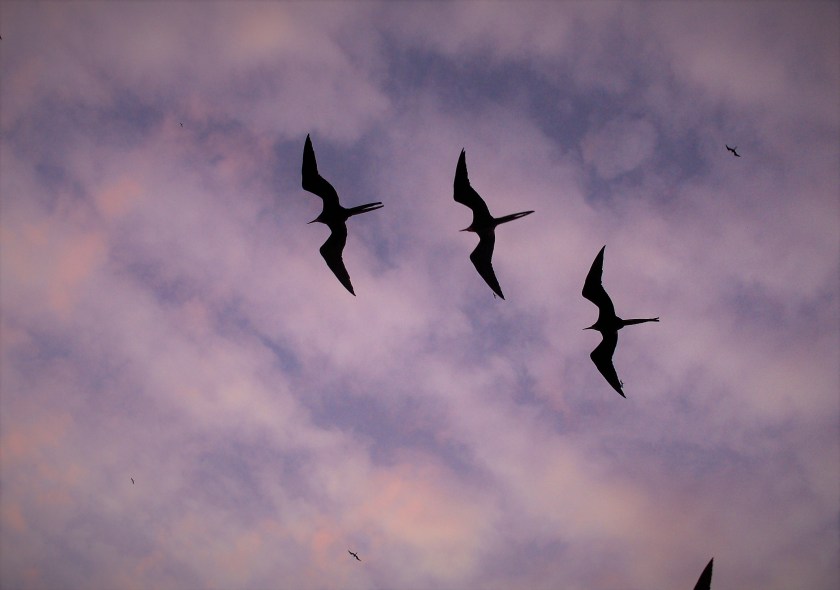
I’ve learned that sometimes, when the surf is so high it drowns out other sounds, and one is poised to click a shutter on another plebian midline Golden Ratio shot, I should pause. Look up and down.

I might find something only fleetingly present, and irreplaceable.

My new friend, Sophie the pup

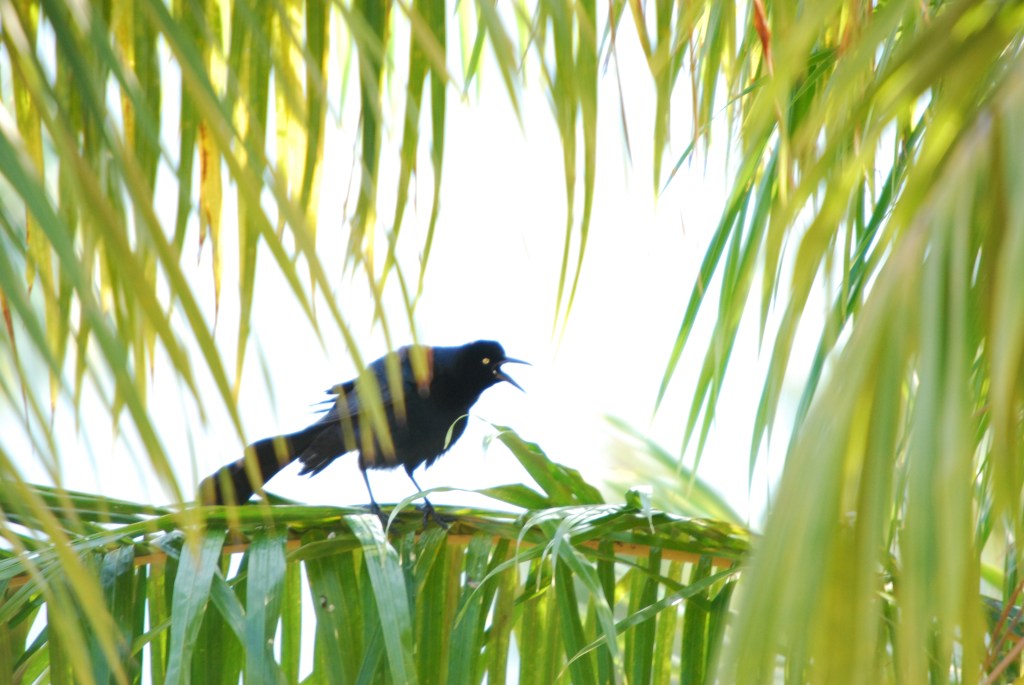
You never know what may flash across the heavens, or have settled quietly at your feet.

Balancing Acts

I’ve always thought of asymmetry as unstable, and occasionally unsettling. Slightly to dizzyingly off-kilter, like the horizon in an unadjusted quick shot with frozen fingers in sub-zero air. The opposite of symmetrical.

I’m reconsidering that in light of an invitation to consider asymmetry not as imbalanced, but as a different and more complicated kind of balance: “two differing sides that balance each other out.

Not unlike a second reader, or compatible beagles, or a loving marriage. Asymmetry that brings out the best in both sides.

I may look past a vaguely queasy horizon line, and instead focus on a rocky outcropping turned midnight black to set off a riotously colorful sunrise. The opaque velvet that complements jewels, deepening their use of light to enhance their dazzlingly reflected and refracted cores.

Beneficent balance.

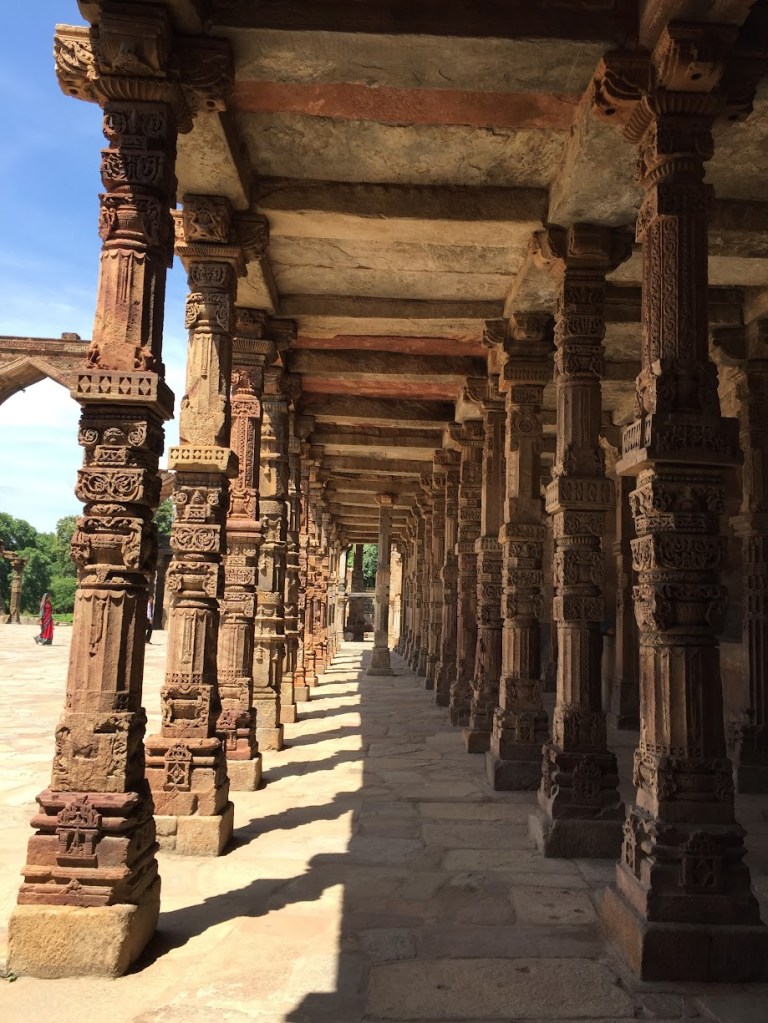
We may find glorious asymmetry over time and space, too–wherever the living and breathing now walk or touch down along (or grow nearby) the paths of beings who occupied them in the sometimes very distant past.

Sometimes the balance shifts. The past is restored or renewed and the present fades by shades into the background.

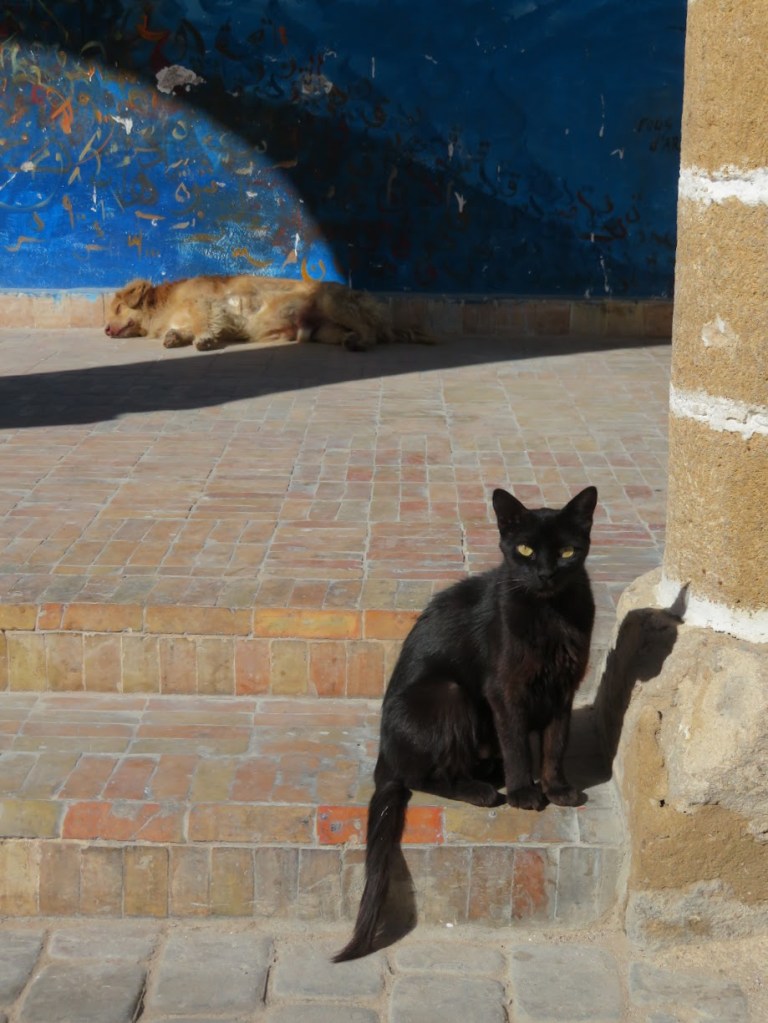
Old Ironsides, rebuilt and docked in Boston Harbor, where the setting sun blankets the city skyline it obscures. An ancient Spanish Galleon docked within a cobblestone’s throw of a Starbucks housed in an old Captain’s House on Massachusetts’ North Shore. A 19th Century carved Eagle freshened with gold leaf overlooking 21st Century Halloween crowds in Salem. Modern wares for sale in an ancient markets in Fez and Marrakesh. Winding Torii gates in Kyoto, where tourists look up into ancient bamboo forests that seem to converge at a point miles above them.

A single image may involve quite a few balancing acts. Day melting into night. Blazing and muted colors, both reducing to black. Budding and emptying, upright and bowed, fall and winter.

Past and present.

Mountain trials echoing with once-solid weighted steps are now carried with us as we climb alone.

It can be a delicate balance.

Simpatico Symmetry

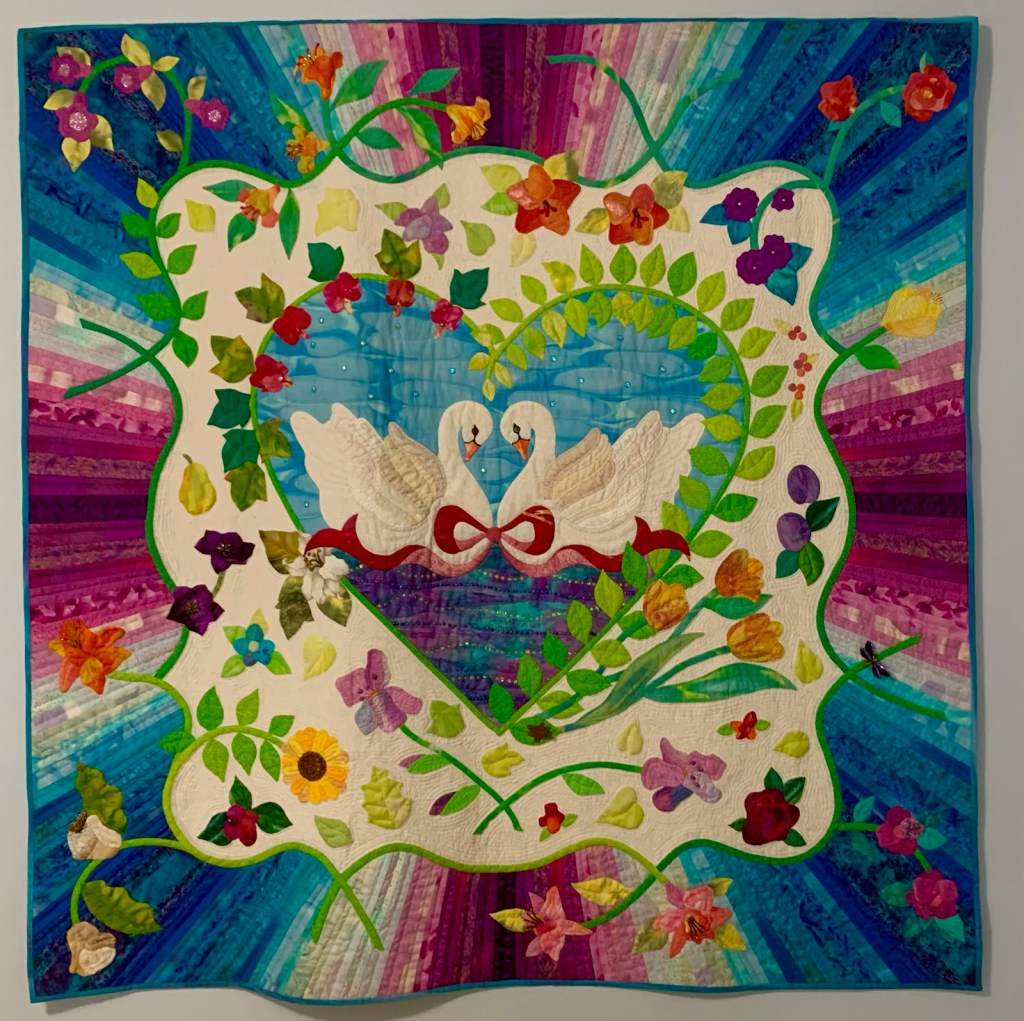
Simpatico swans/gliding in symmetry/ tend to stay afloat.

You’ll forgive me, I hope. My brain’s lately been stuck

in meter and pace

and by sheer dumb luck.

At Salem’s Peabody Essex museum

(near spirits galore; some claim they can see ’em)

radiant symmetry sometimes can be found

in mirrored strips tented high above ground.

If one takes a step back–

from a whole, duo, or pack–

then a snap taken off-kilter,

may reveal symmetries, with nary a filter.

Finally, if you’ve stopped here before….

You know my go-to mainstay

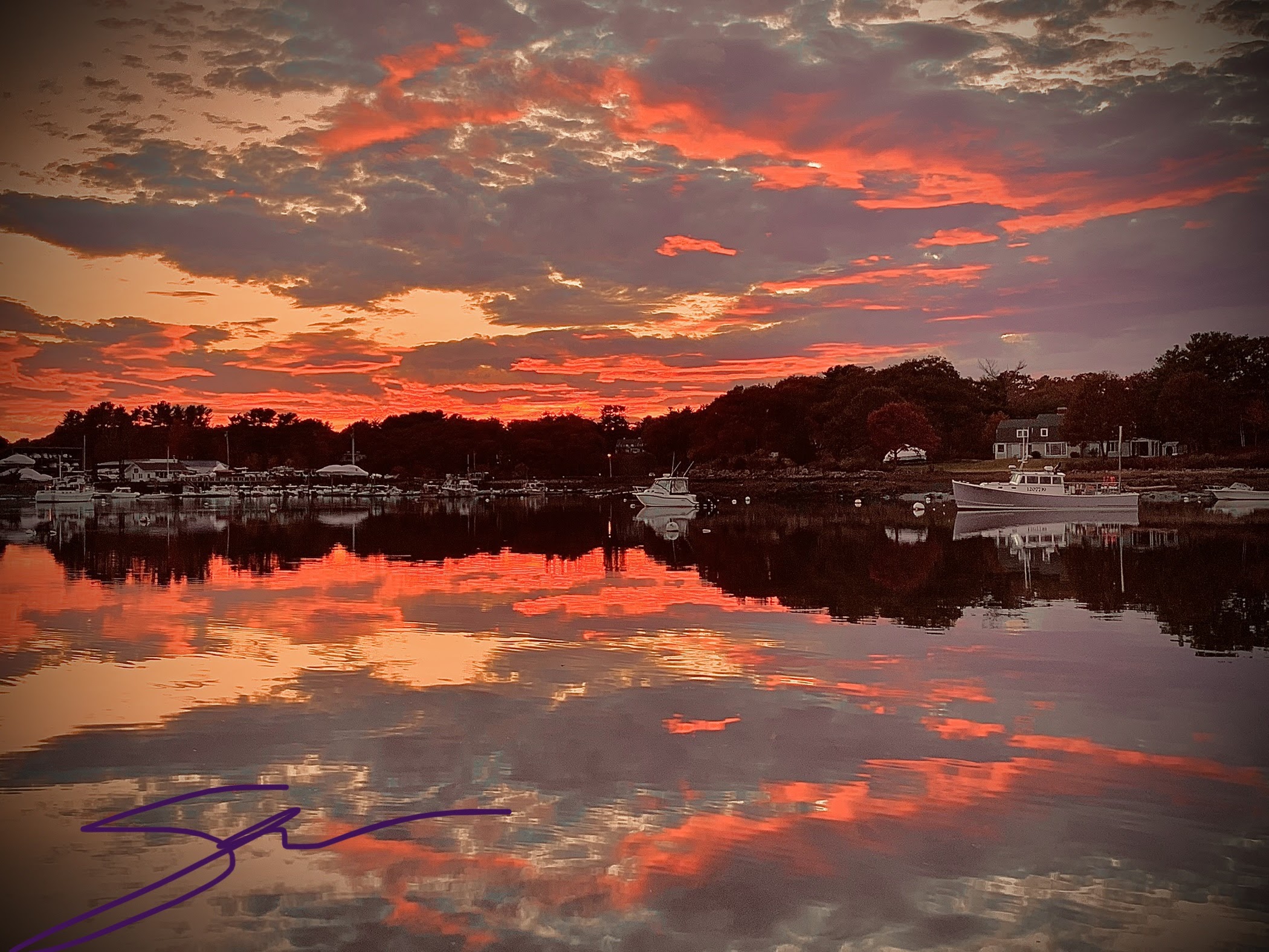
is symmetrical reflections at the remains of a day.