Fleeting Façades

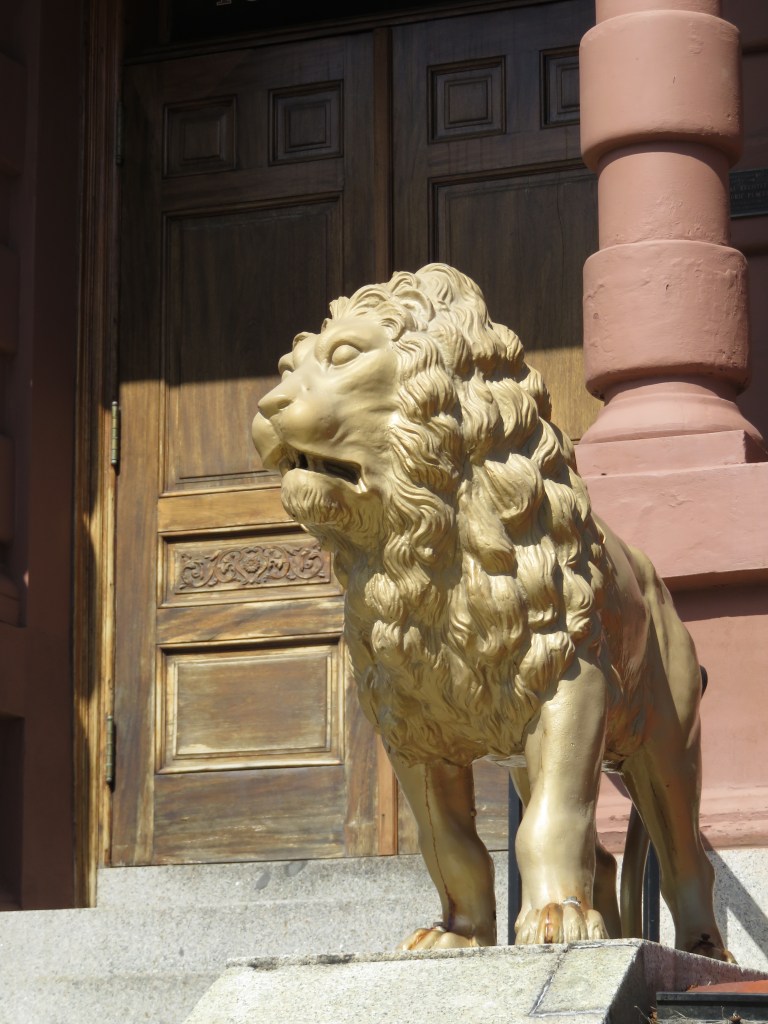
The lion or the lamb?

A façade sometimes bears little relationship to what, or whom, you will find beyond it.

(As has been underscored to me by more than one bitterly divorced friend, what you expect from what’s on display is not necessarily what you will find.)

I come from a generation of buttoned-up New Englanders and introverted first-generation Brooklyners. Putting aside childhood theatrics and the professional behavior necessitated in criminal courtrooms and other adversary situations, we tend to be back-benchers in social settings. We’re not temperamentally inclined towards public displays of any kind. I may be a lioness in court, but dissolve in tears when I am alone, missing people I love.

We’re more Eames than Baroque. My mother’s collages and paintings used clean lines and empty faces which viewers are free to fill in. My late husband filled a Federalist home with a truth-in-advertising interior of hand-hewn pine furniture that was Quaker-like in its simplicity. I moved from there to a much tinier Victorian house and outfitted it in mid-century Danish Modern. (It was, as they ironically say, a look.)

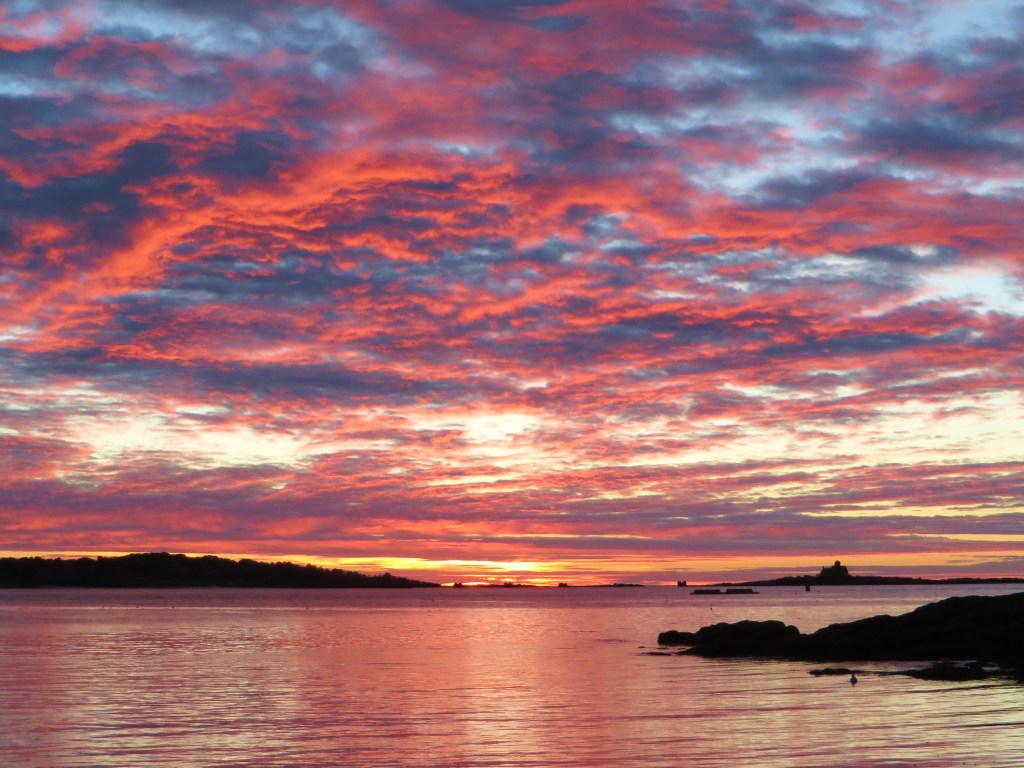
I leave the most raucous visual displays to nature. As one must.

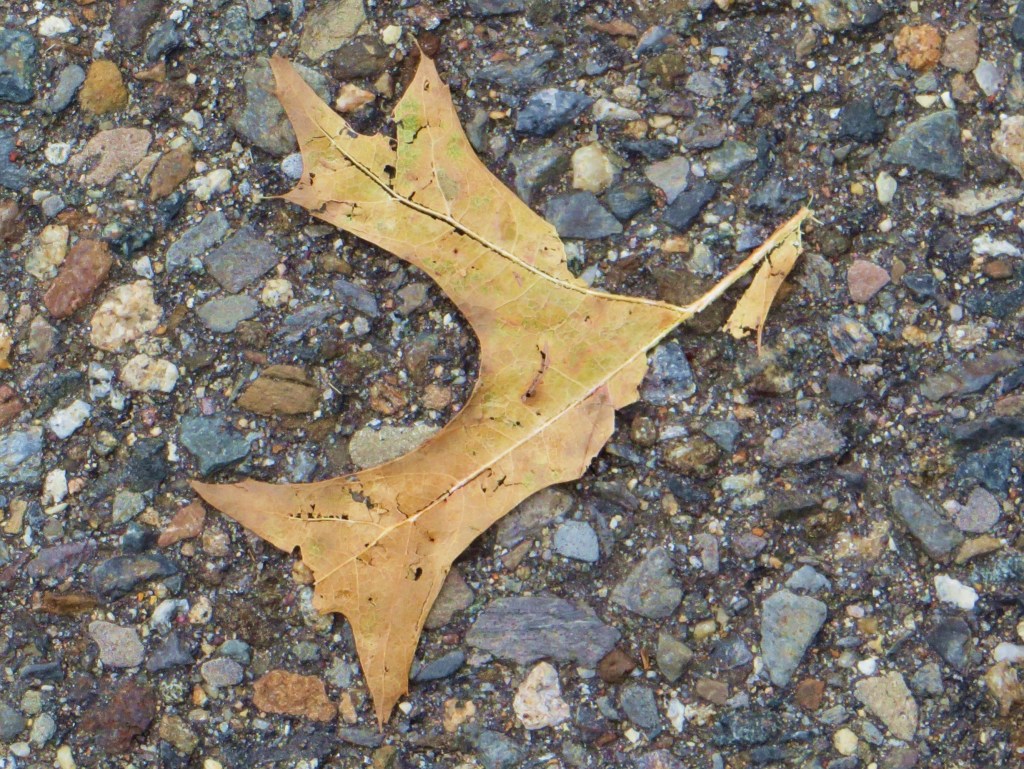
Between sunrise and sunset displays, I see nature showing off all around me. A Maple leaf crushed underfoot, transformed into an ascending dove A single bird perched in Jaiselmer, like its tethered twin in the exquisite miniature painting that hung on display in a New York Museum gallery in The Goldfinch.

I’ve realized only in reflecting about what I choose to exhibit that the photos which adorn my desk and wall are of discrete displays. Every day, I look at the series of black and white portraits arrayed at my eye level and see my children on the day my husband coaxed them into posing for a Mother’s Day gift. I feel my heart settle every time I see their faces, carrying me back to the old yellow house my husband loved when we were a family of six (not counting the beagles and their own occasionally unfortunate mischievous displays). When my husband was alive and we had no inkling anything was amiss.

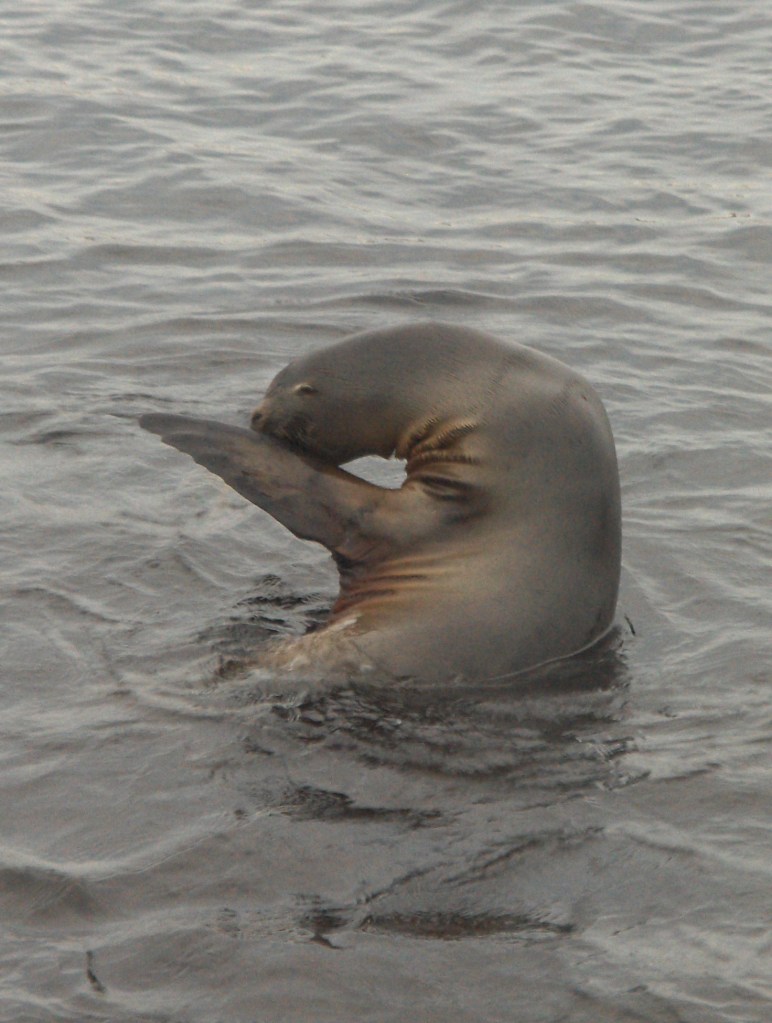
Nature continuously launches and reformulates its own displays. The outdoor photos my husband took and I’ve framed are of colorful performances among living creatures in their prime: a male frigate’s stunning (and successful) performance before a rapt audience of potential partners; scarlet macaws’ mating dance; magnificently armored molting reptiles making their rounds. A voguing sea lion. An icy silver heart lit by moonlight and delivered by high tide, displayed like a crown jewel on a black velvet beach in Iceland.

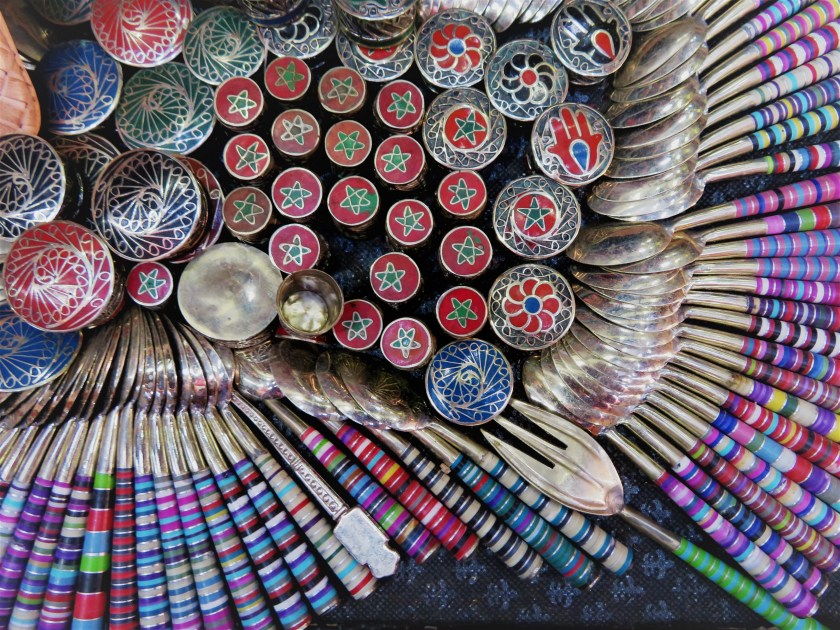
From the air, it seems like the Blue Planet itself is on display. Closer in, I’ve been struck by displays left by unseen human hands. Installation art in Boston and New York City. Wares and murals in Morocco. A single flower displayed against a silver New Hampshire pond. Birds positioning themselves within algae-slicked pier frames in Boston Harbor. A gathering storm beginning to show itself inland.

As with all art, capturing a display from whatever space I occupy in the world, and being able to share it, is both the privilege and essence of photography.
Tell me Why….

Aukerie, Iceland

“Tell me why….”

The generic three words appear in countless songs. Today, I happen to hear them in a (no-longer) boy band’s lyric. Improbably, that particular earworm began burrowing before the turn of this Century.

The tone and cadence in asking for an explanation of “why,” as with most communication, is important. It can be calmly delivered, or beseeching–even a crie de couer.

It can be inquisitive, and take us back to the wonders of the world as they begin to catch our young children’s attention outside infancy’s cocoon.

Why is the sky blue?

“Why do manta rays leap above the ocean?”

It can express the joyful wonder and bottomless despair of other unanswerable questions and pleas for explanation.

“How could I have been so lucky to spend this life with you?”

“Why him?”

I’ve taken on the task of picking out a portfolio of ten photographs I most want to share, and the more formidable challenge of explaining my choices. I realized after selecting them that I took most of them while I was alone, at least among humans. The few exceptions were taken in countries and on continents far from my assorted homes.

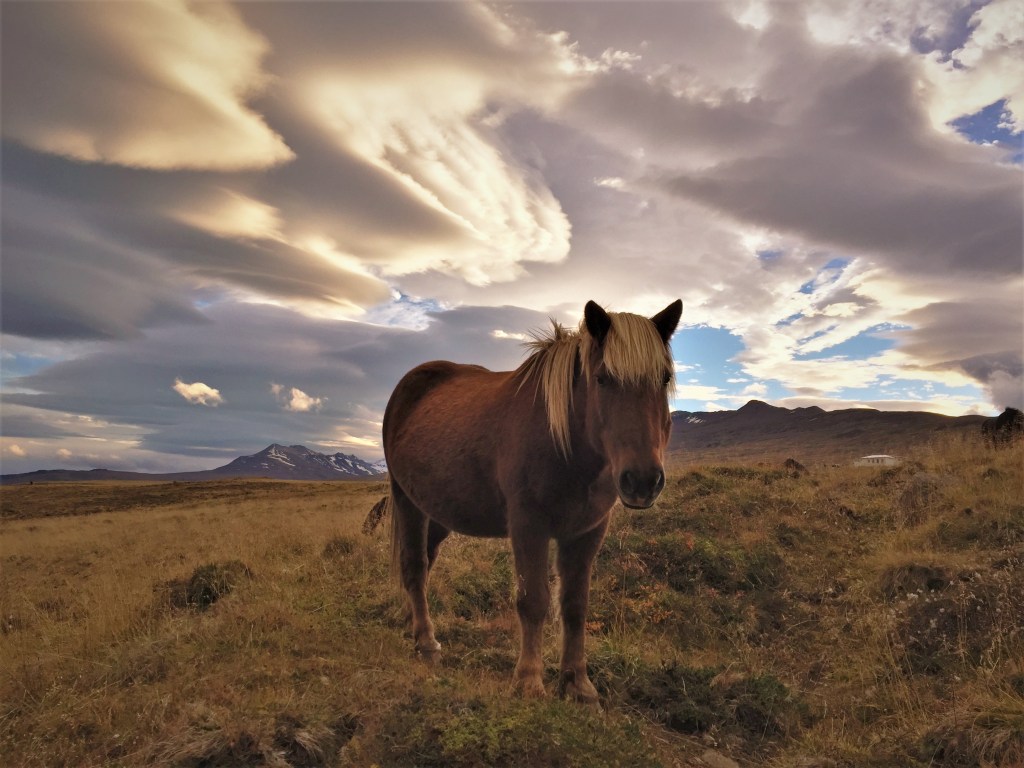
Above, an Icelandic pony was perfectly framed among lenticular clouds as the sun started to drop in Aukerie. I treasure revisiting the peace and beauty and even the pure air of that day.

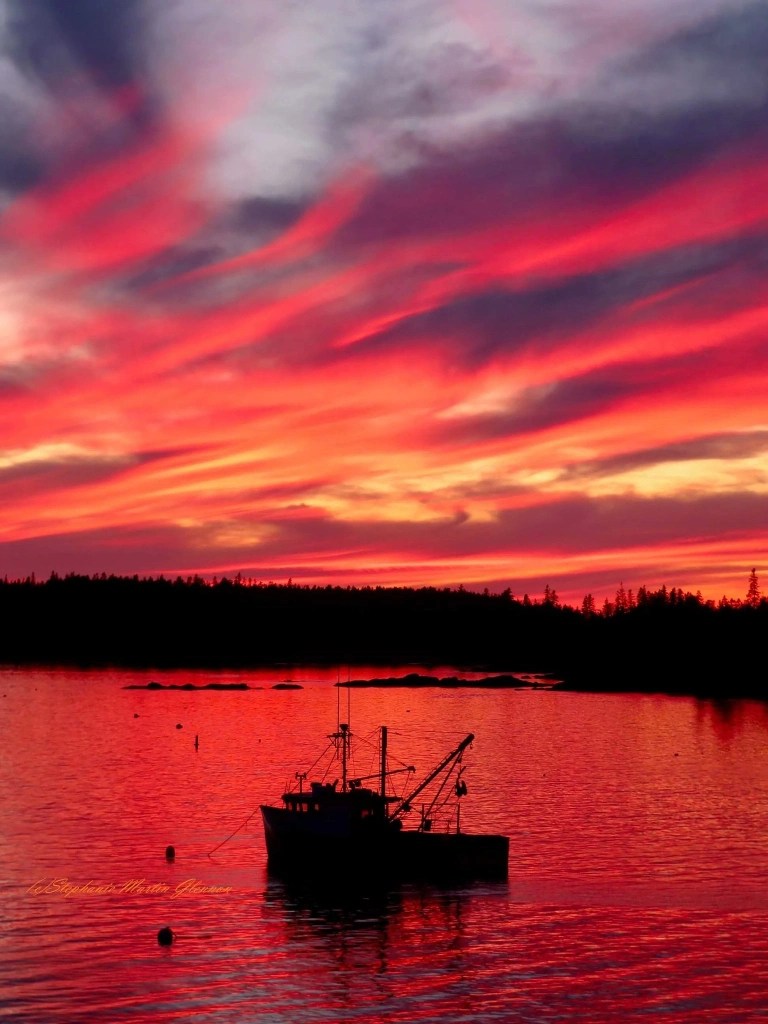
I was completely alone in Southwest Harbor for this astonishing sunset on Mount Desert Island. Acadia National Park was a very special place for my late husband and for our children as they grew. It took quite awhile for me to be able to travel by myself and be able to recapture more joy than melancholy there. I felt my husband’s presence as I took this picture, as I do every time I look at it.

An extraordinary ordinary palm frond towered above me, and calls me back to a cool night with regal birds milling all around. In the unseen background, the High Atlas Mountains formed ribbons of snow atop vivid blue peaks.

Each sunrise moment is an ephemeral work of art, there for us to keep and share and revisit in a photograph.

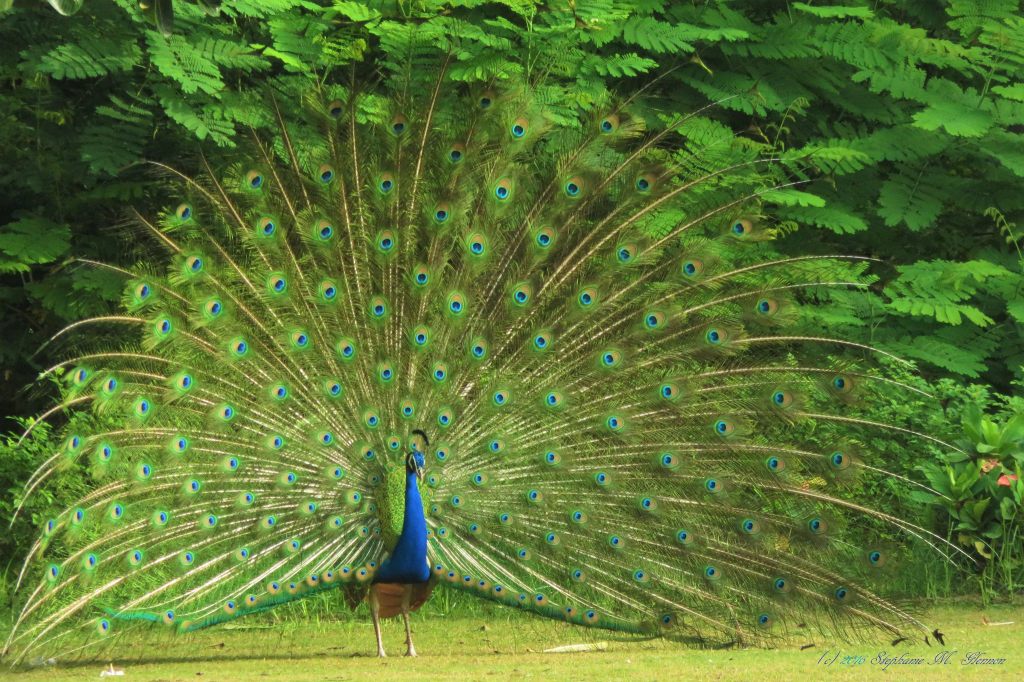
A return to deep greens and blues. . . . In New England’s coldest days, I can still feel the warmth and wonder of walking along a field filled with peacocks in Rajasthan, India.

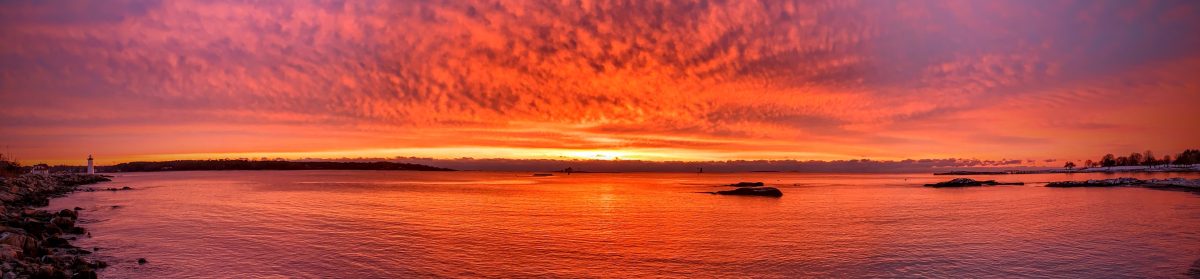
From the same spot in Newcastle, New Hampshire, one can see two lighthouses in two states, and endless permutations of light. This is one of my favorite glimpses of dawn.

A juvenile Kingfisher was my companion for sunset at the Artichoke Reservoir, a hidden jewel in Essex County, Massachusetts. The photo brings me peace; I remember how the sight helped me to breathe and settle my soul at a time of frantic medical issues in my family.

I’ve taken countless of Whaleback Lighthouse from two state’s shores. This one stands alone: without touching the picture’s natural color, it looks to me like a silkscreen print of sunrise.

A snapshot in a butterfly garden in Western Massachusetts preserved a butterfly taking flight, and the rich colors of a tropical forest in a distant part of the world.

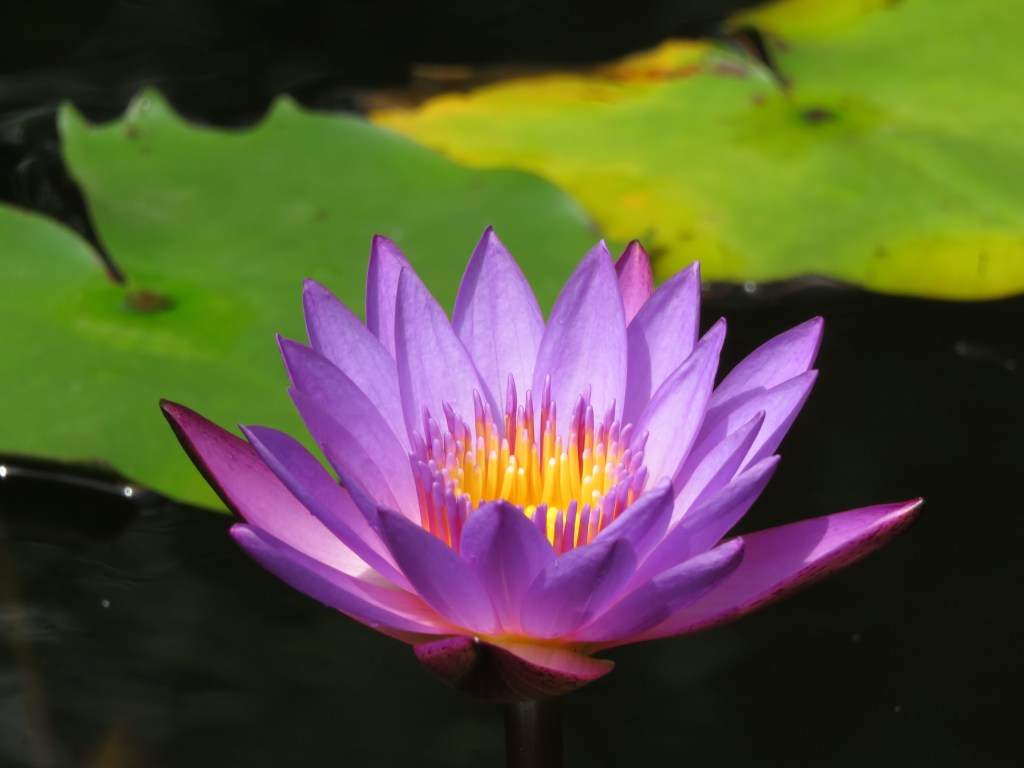
A single water lily… on a glorious day spent on another continent with one of my daughters. The simple shot carries me back to her, and to the sun and golden birds outside an ancient fort and museum in Jodhpur, the Blue City.

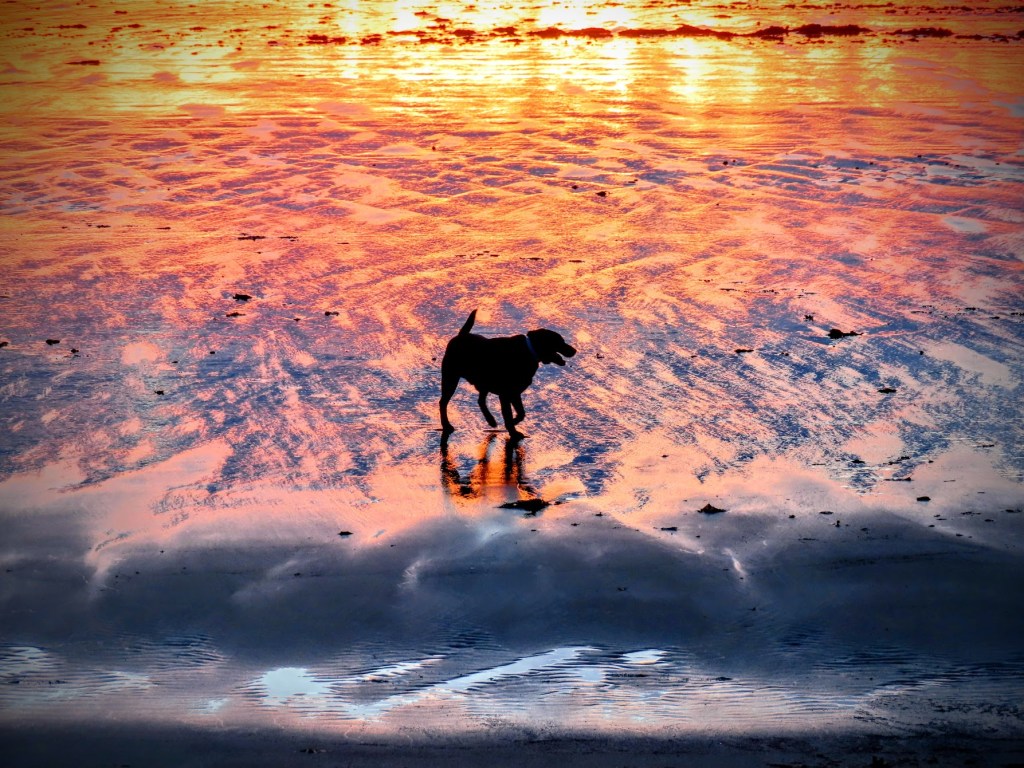
And I am sneaking in one more photo, the last I was able to take of the beloved and protective faithful companion of a sterling neighbor who contributed so much to every part of the world he occupied, and will be profoundly missed after leaving all too inexplicably soon. His handsome dog passed only weeks later, to join him in another view of such earthly wonders.

Primes of Life

I rarely photograph primary colors. I grew up in a household where paints were rigidly sequestered in their tubes and only sparingly dabbed onto precious watercolor paper. But outside, even primary colors are rarely static.

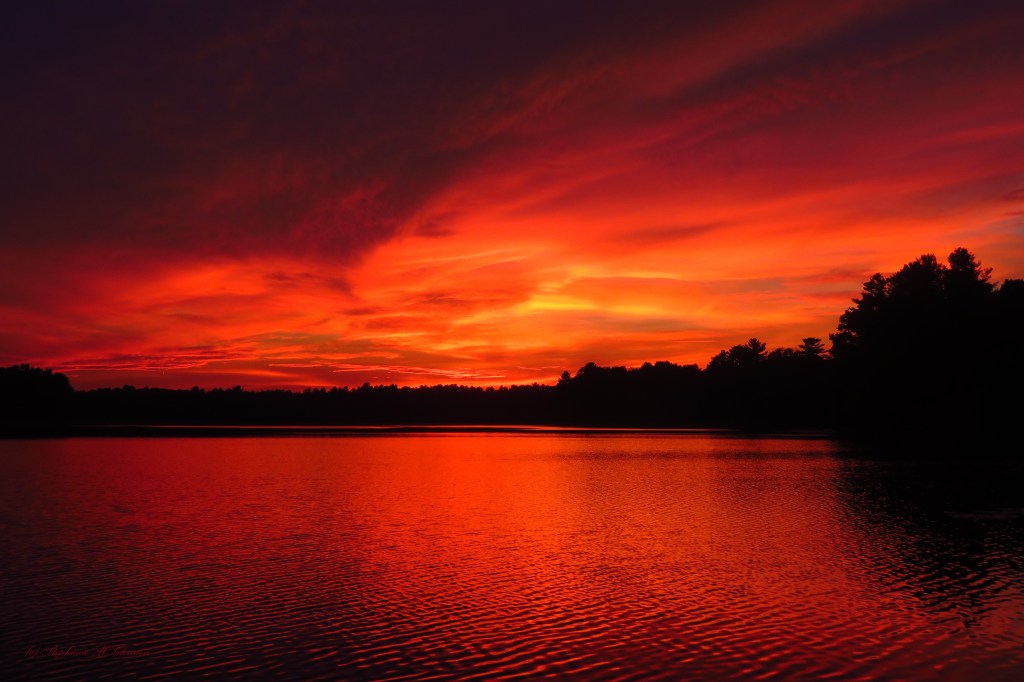
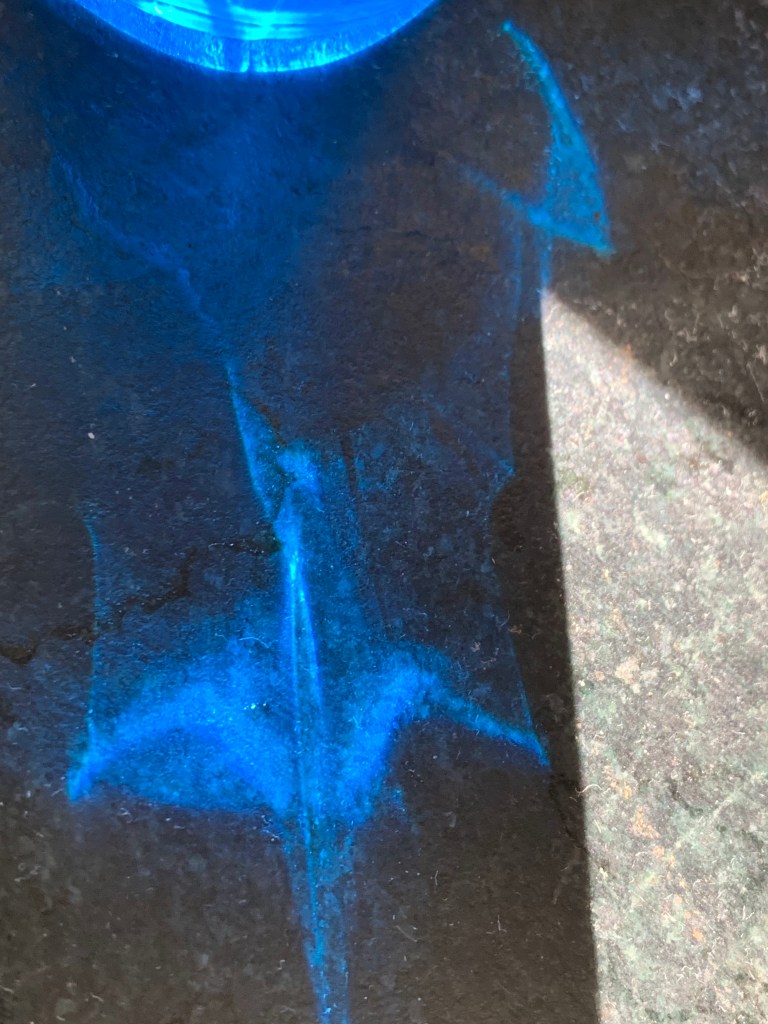
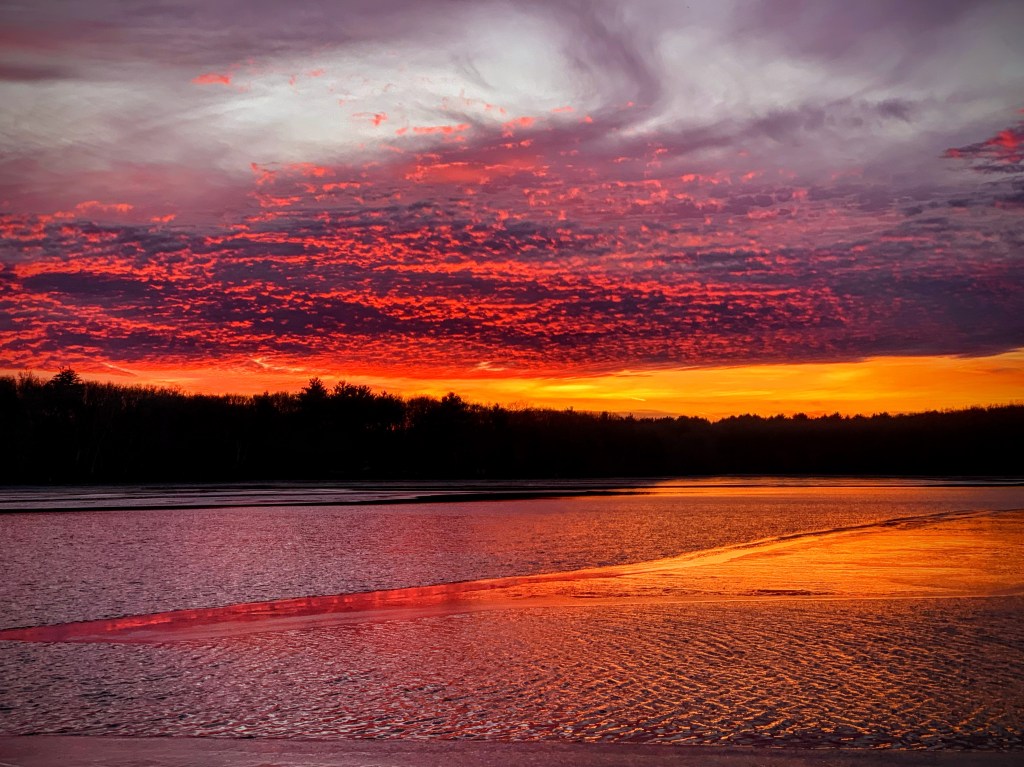
Of course, sometimes color itself is an illusion. Georgetown, Massachusetts’ reservoir is not filled with scarlet water. Portsmouth, New Hampshire’s colonial-era waterfront is not actually bathed in yellow. No ancient cobalt fish, nor any color at all, resides within the soapstone slab below; it is plebeian daylight refracted through dishwashing liquid.

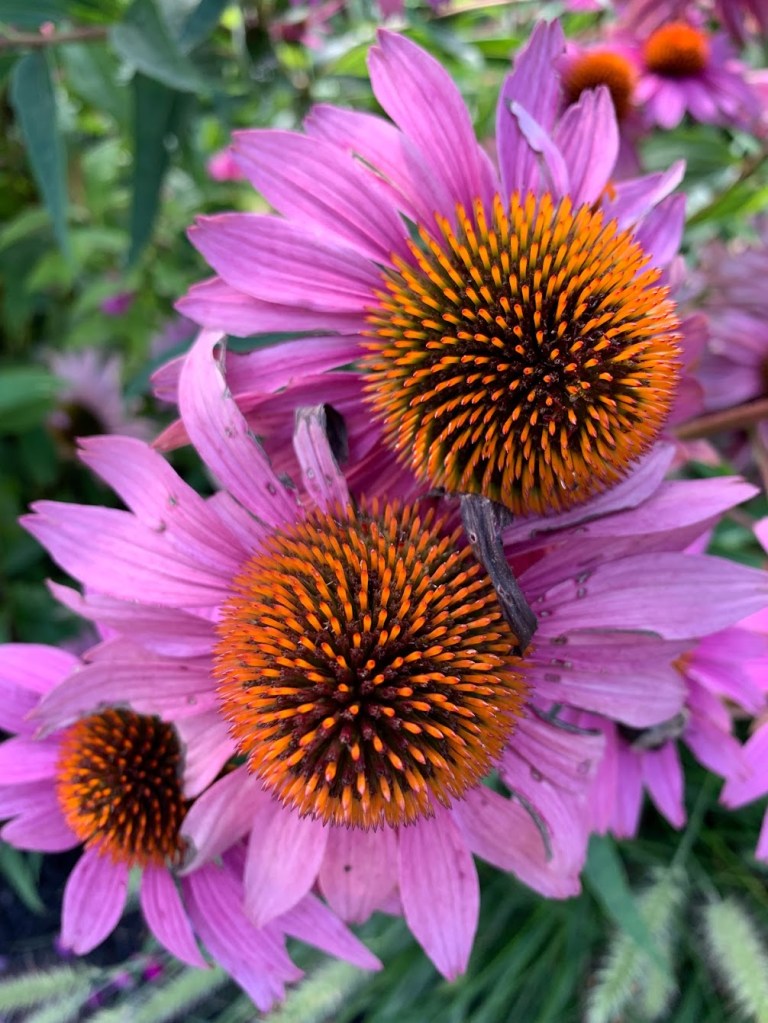
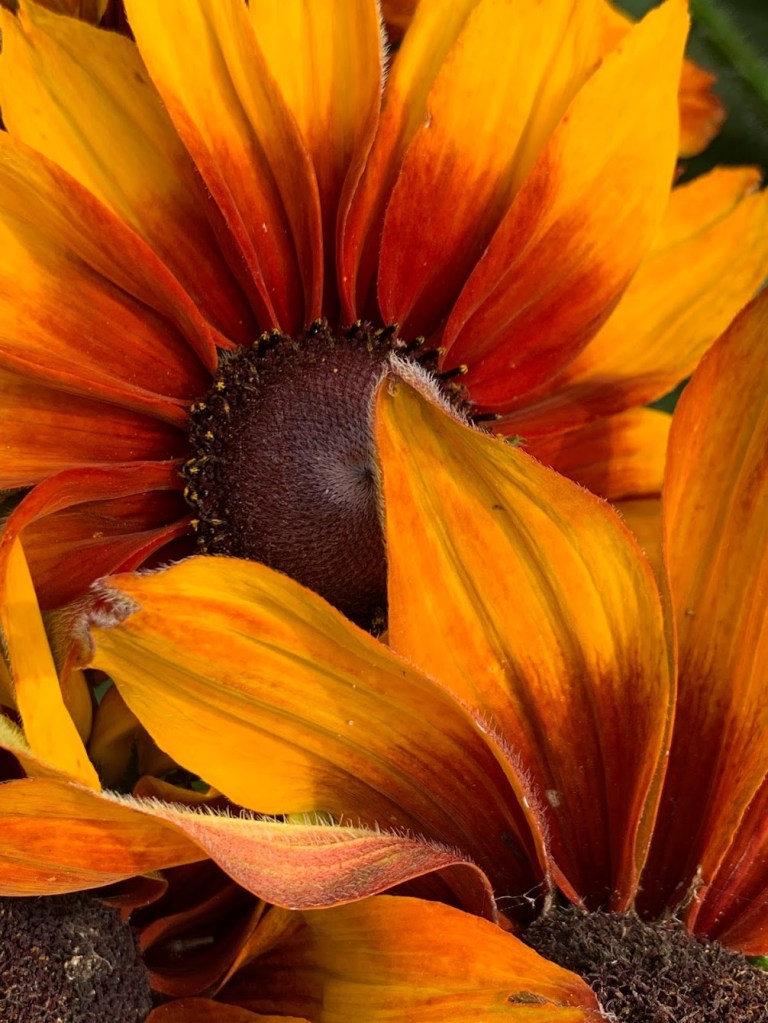
In general, I find pure and primary colors less interesting to capture. I’m drawn to gradations. To transfigured, quickly changing–even messy and decaying–colors all along each spectrum. One kind of magic happens as opposites on the color spectrum gather, in autumn leaves and gardens and water and sky.

And the changes are always worth waiting for. The slightest disturbance to a pure red sunset over water may turn it into strings of rubies over rippled black velvet, and to violet dragon’s breath clouds.