‘Til Death…and After

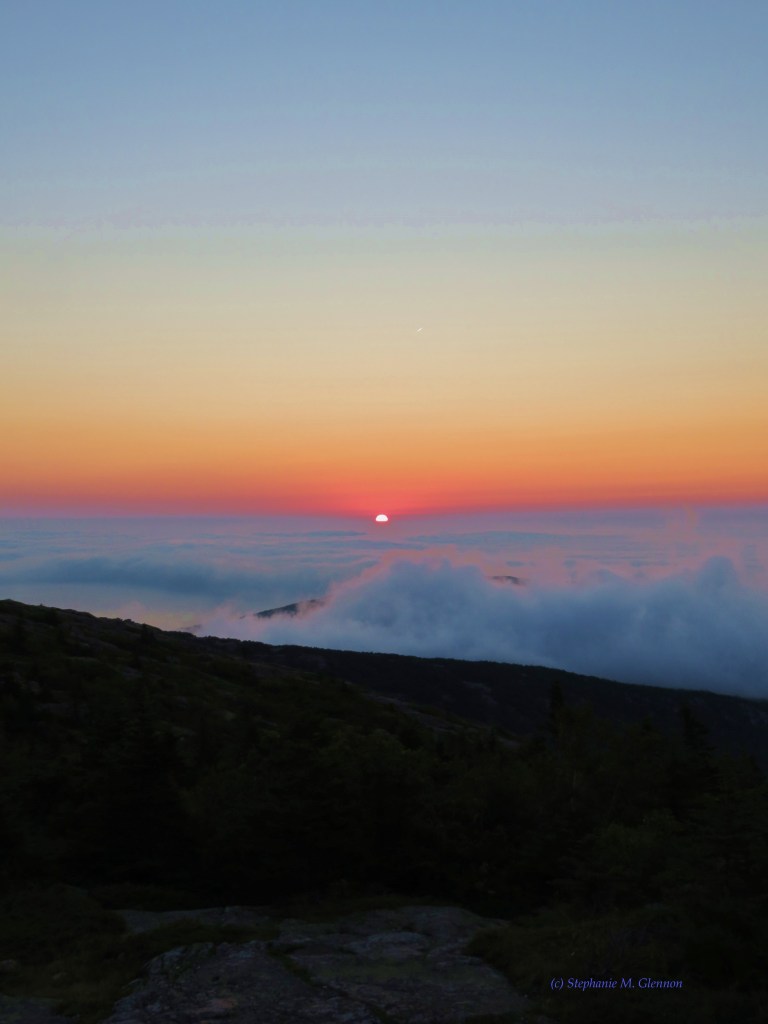
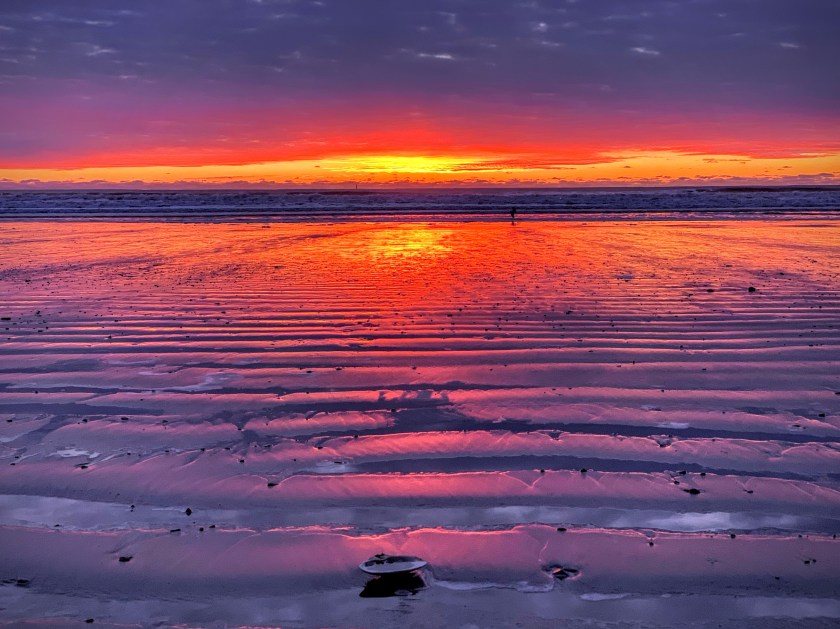
Not even a bird could be heard in pre-dawn mist

The quiet hours can be overwhelming. When one finds the way outdoors, at times when no other human guests are likely to be encountered, there is no shortage of wonders to be found in such silent vistas. Nor is there any way around confronting the unadorned absences of those who should be here with us.

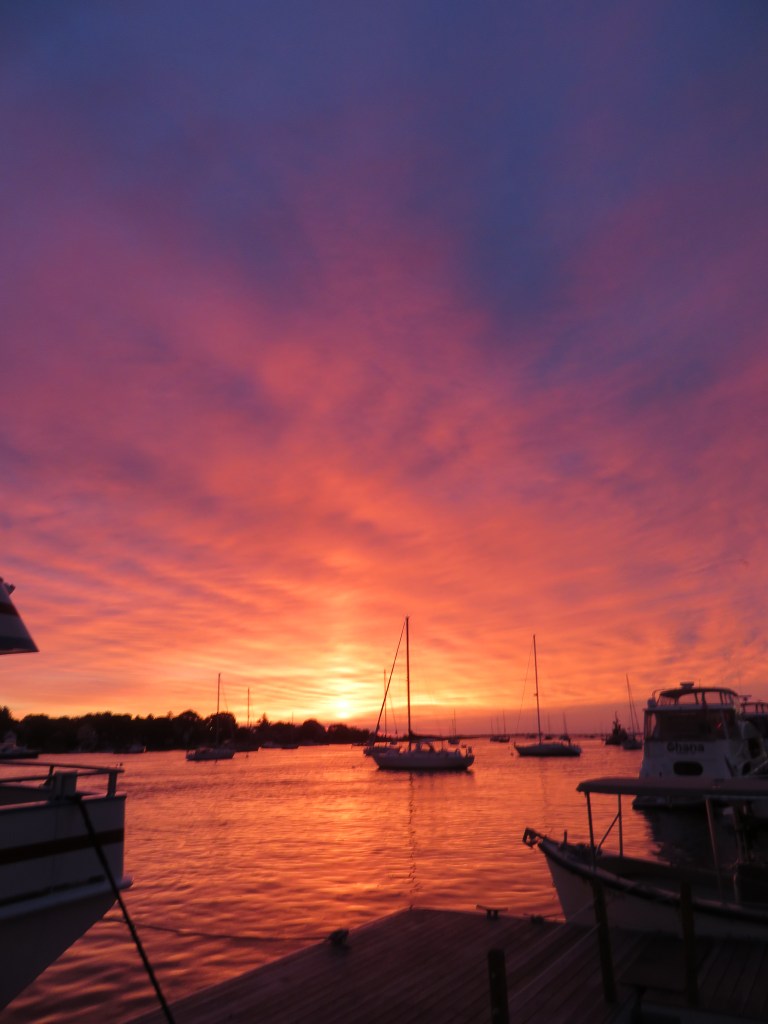
There’s nothing quite like watching the sun emerge above a sea of clouds, or disappear underneath the horizon at sundown, to underscore the thin and immeasurable wordless space between heaven and earth.

I’ve been alone to see such moments–before dawn and after dusk–in some of the planet’s most densely-populated cities, and some of its emptiest places.

It’s been quite some time since I’ve been able to regularly appear on these pages. I’m still not able to explain what’s caused me to be-for far longer than I could have imagined-uncharacteristically hushed about major portions of my last several years.

But such enforced silenced swaths have left me enough space to share my very present past, packed today with the quiet hours in which I still celebrate the July marriage that brought me everywhere I’ve been since leaving home for school. Not only to the earthbound places my husband and I were lucky enough to share, but all the places to which his loss indirectly has brought me.
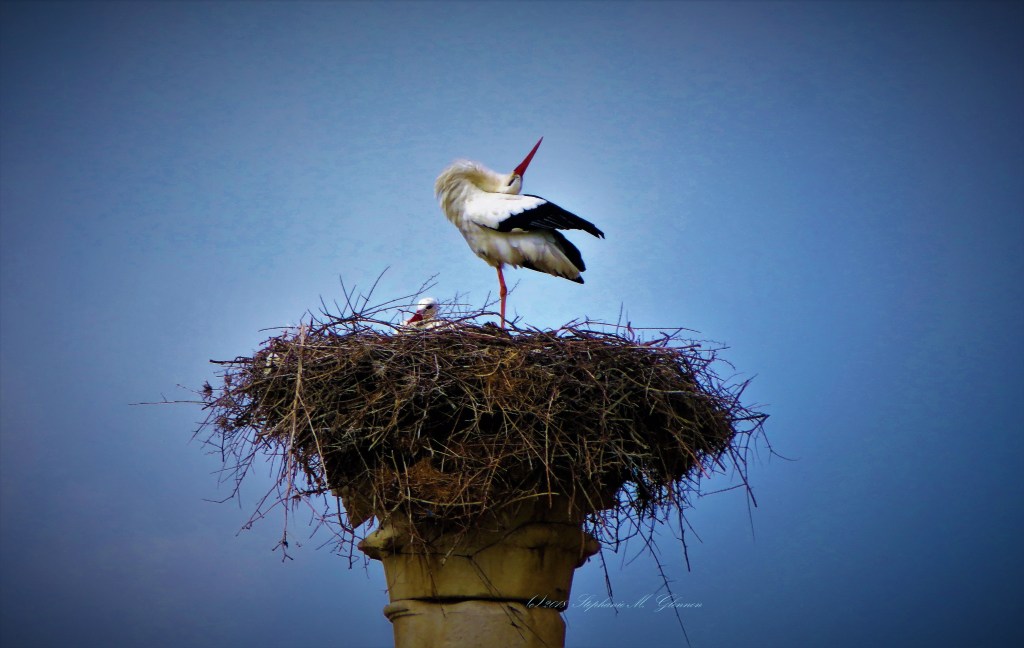
On each such anniversary, I’m astounded anew that he hasn’t aged alongside me. It stunned me when, during one of these quiet hours, I first realized I’d not only caught up with, but already somehow lived beyond the age he’d reached at his death. It was more crushing when I realized one of our children had lived more than half a young lifetime without him.

But in quiet hours at timeless vistas and ancient places, I can sometimes spare my aggrieved self the focus on earthly years. I allow myself to see the enduring forever.

Pre-dawn in Udaipur, Rajasthan

Even when the colors fizzle, or are overwhelmed by fog, there are treasures in the near-silent spaces of the endless quiet hours.

Happy Anniversary.
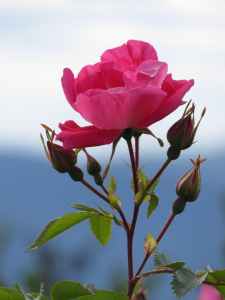
Looking Over

The more rarefied the vantage point, the rarer (and hence ordinarily overlooked) is the view.

I once followed waterfalls, hiking through woods to a mountaintop garden in New Hampshire’s Ossippee Mountain Range. The mountains were rendered in green at street level, but bathed in bright blue from on high.

This rose stretched exuberantly at the Castle in the Clouds that Father’s Day. Like an outgoing youngest child in a large family, it launched itself above its brethren and refused to be overlooked.

It was not so very far from Mt. Washington, which my husband and I had tried to climb on our 15th wedding anniversary. Ultimately we had to give up on seeing the sights from the highest vantage point in New Hamspshire available to mere mortals. I had insufficient ballast, and was no match for fierce winds across a broad open expanse of rock. It was too difficult to hold onto my steady spouse, and I was nearly swept off the mountain’s face.

(The nearby Mt. Washington Hotel is sometimes mistaken for a very different overlook: The Shining‘s Overlook Hotel; I can assure you the White Mountains’ version is far more serene).

Sometimes I have found myself in thinner air, overlooking a golden world as the sun sets. Or walking through seas of swirling pastel clouds atop Acadia’s Cadillac Mountain, taking in the Northeast’s crown view of a rising sun.

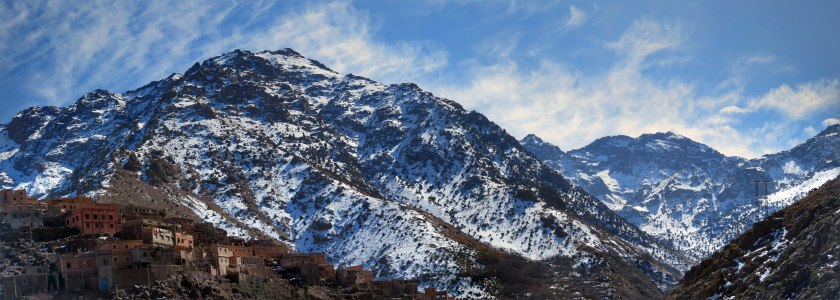
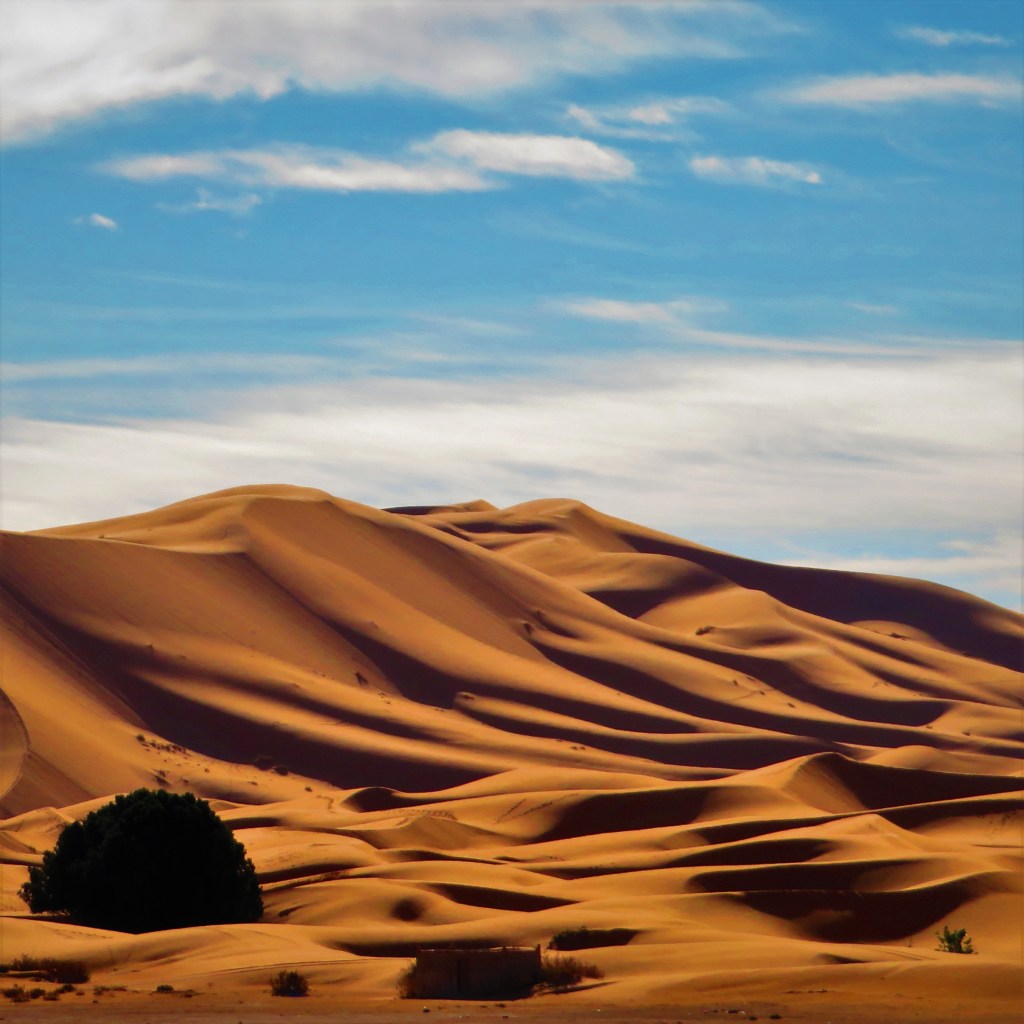
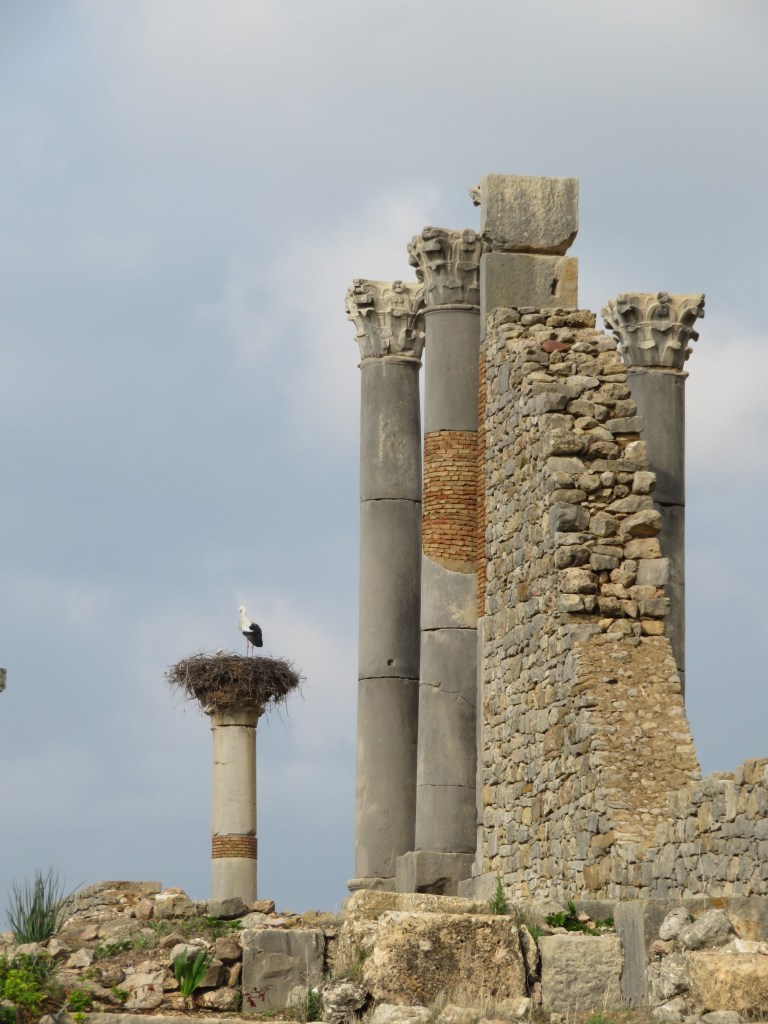
In more recent years, I’ve looked over land and sea and sandscapes from atop camels and towering dunes. From watchtowers and volcanic islands. I’ve surveyed ancient blue and pink cities and violet seas from slitted holes in stone castles and fortresses.

From a distance of many years, I realize I’ve found myself climbing ever-farther upwards on such days.

At dizzying heights, I feel closer to my missing piece. He frequently took photos from such spots when he was here with us, on “earth, our heaven, for a while.” Words I read from Mary Oliver’s “A Pretty Songat his service.

In some ways, we can best see what we’re missing from on high. Where the heady view is also heavenly.

A man looking out over the City of Lights with his daughters, not knowing it would be the last time. The same man on a Equatorial island cliff, knowing it was for the last time, and seeing the rarest of Pacific nesting birds.

One of my children recently told me of Sgùrr Dearg, where we earthbound folks may survey both very present Puffins and great swaths of the visible world from the Inaccessible Pinnacle.

If she climbs it someday, I hope she’ll send me a picture of what she overlooks.

Here Today . . .

img_9220

It might seem like an ordinary spot.

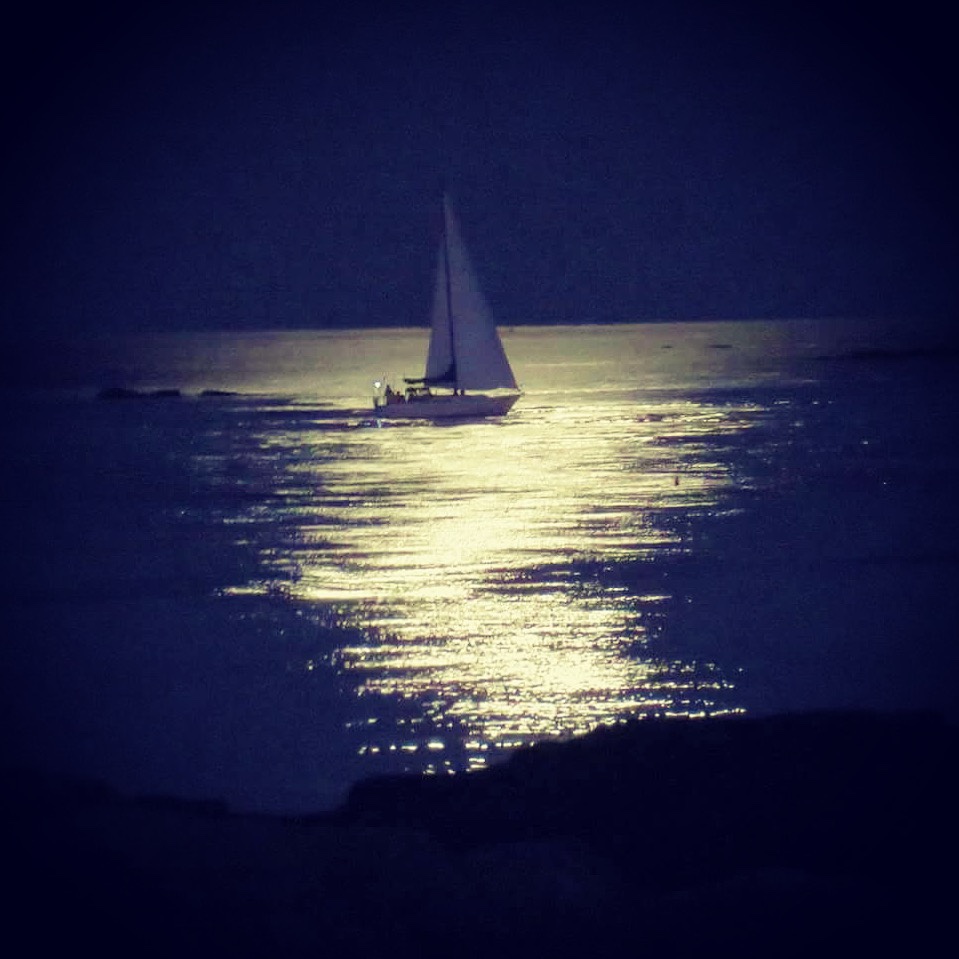
Now, as then, one rock’s broad surface comfortably seats a man over six feet tall, allowing him to look up at the much slighter young woman facing him under a Long Nights Moon.

You faced the moon and I faced you. . . .

Technically I have been alone when revisiting the spot, in mind or body.  Even now, few couples would make the rocky climb on a December night. Its most perilous stretches had no guard rails then. Hemmed by poison ivy and washed by surf, scattered signs warned of the trek’s perils, beginning with the precipitous drop from unsteady earth to roiling sea. 

And we talked about the future we hoped to have and came to be

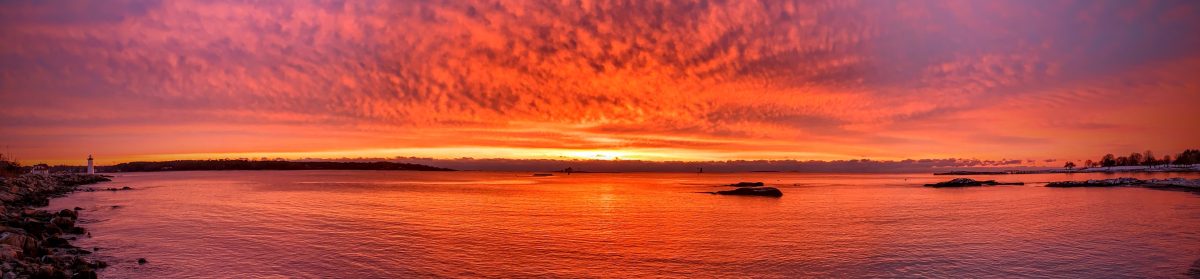
From the narrow, rutted path’s highest point, where the young man sits and she stands, an  overlook offers a panoramic view of the horizon, bracketed by ridged limestone shelves angled into the seabed, as glaciers had decreed.

img_6546 copyThe young man’s vision is razor-sharp, as it will remain all his life. Beyond his moonlit partner he sees a swath of inky, noisy ocean punctuated only by a rocky outcropping miles from shore. There, tiny Boon Island personifies the word “barren.” No less a luminary spirit than poet Celia Thaxter, of New Hampshire’s convivial close-knit Isles of Shoals and their blooming gardens, is said to have once described Boon Island as “the forlornest place that can be imagined.”   
Despite its size and solitude, its uneven granite has drawn in and grounded ships over the centuries. And more than one sturdy stone lighthouse there has been storm-toppled into the sea, rearranging itself into mazes on the ocean floor.

The distant toothpick of the most recently rebuilt lighthouse is in fact New England’s tallest. Standing at strict attention atop the granite pile where nothing grows, it laconically cycles its pure white light, lest another insufficiently attentive traveler come too close. 

Compared to its nearest neighbor, the gaudily scarlet-strobing, holiday-bedazzled and aggressively photographed Nubble Lighthouse, one would have to concentrate very carefully to commit this shy slender cousin to pixels or film. When one does, the tiny island itself often appears to be hovering above the water, as if it is present both as we know it to be and also its own ghost.

img_8061 copy

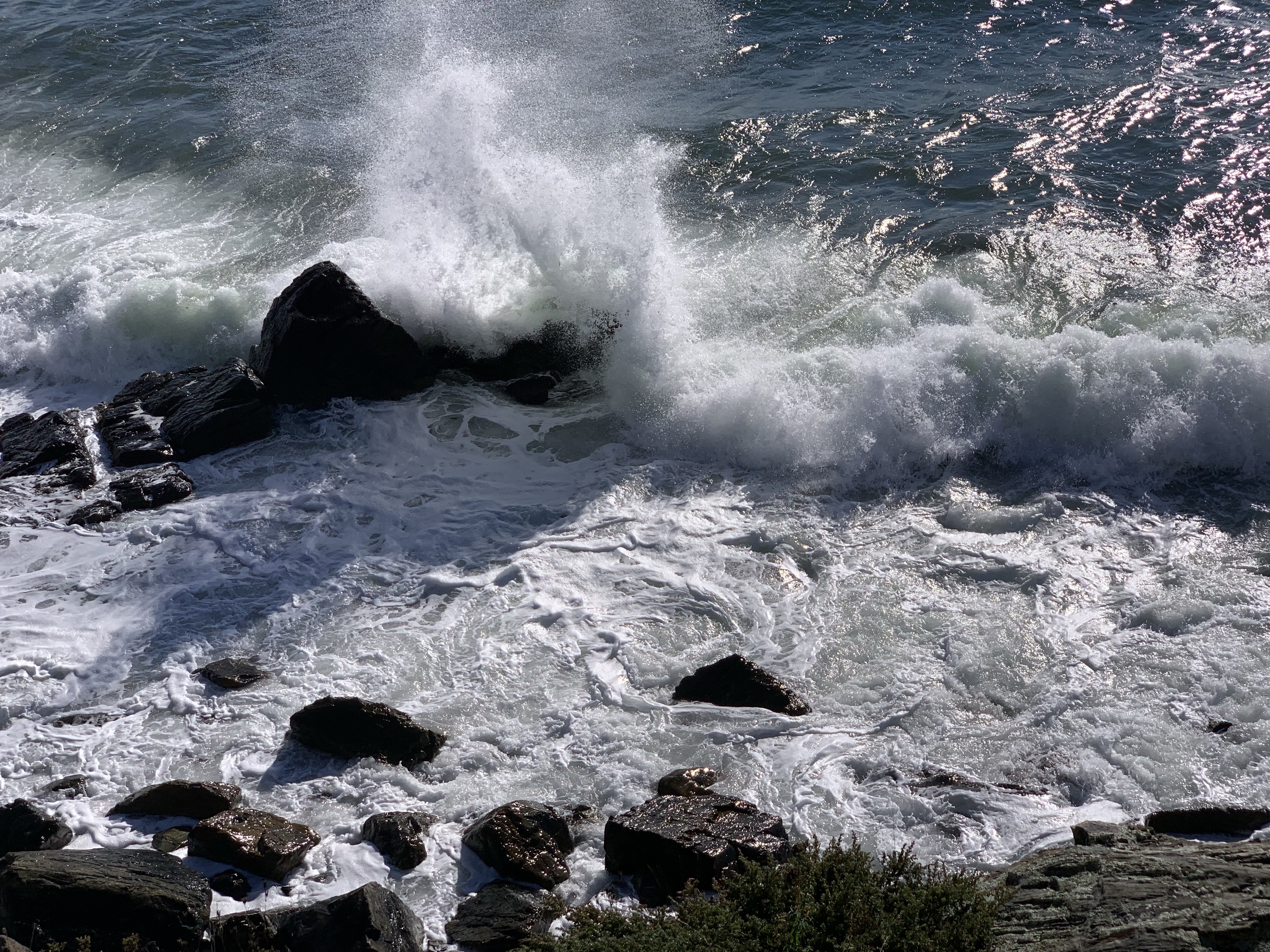
At this spot my husband and I shared at the cliff’s edge, the only sound likely to be heard during any season gently floated upwards. Thousands of water-smoothed stones companionably clattered as waves cycled below. They mingle and chatter as each wave washes over them and recedes, resettling their companions only slightly as they all await the next incoming wave. The sound becomes less mellifluous only in the most ferocious storms–the rare, intense storms we sometimes do not sense are coming, and which might fell even the most dependable beacons.

It is no coincidence that this single quotidian patch of earth and rock snuck itself into  my subconscious memory, and in turn has played a role in both my  fiction and non-fiction.

My husband died almost twelve years ago, but I will always find him–and our younger selves and our future children–in this spot, at least as present as the rocky shore and surrounding sea, and the seagulls who pause to quietly survey the rising sun along with me.

Now Face West

This is the tenth Father’s Day that has dawned for my children without their father here with them.  This year, they all are also separated from each other, occupying different spaces on two continents.

Seven years have passed since we brought his ashes to billow into an underwater cloud at Northern Ireland’s northernmost point.

And, strangely, it is just four years since my own father died on Father’s Day , after living to teach generations of students and be a grandfather to young adults.

I am a theoretical physicist’s daughter: I understand chaotic progression cannot be undone. But I can’t help feeling the world might seem a little less profoundly disordered were they here now.

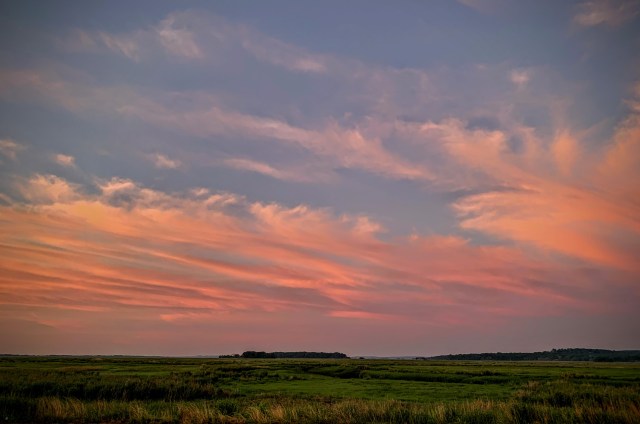
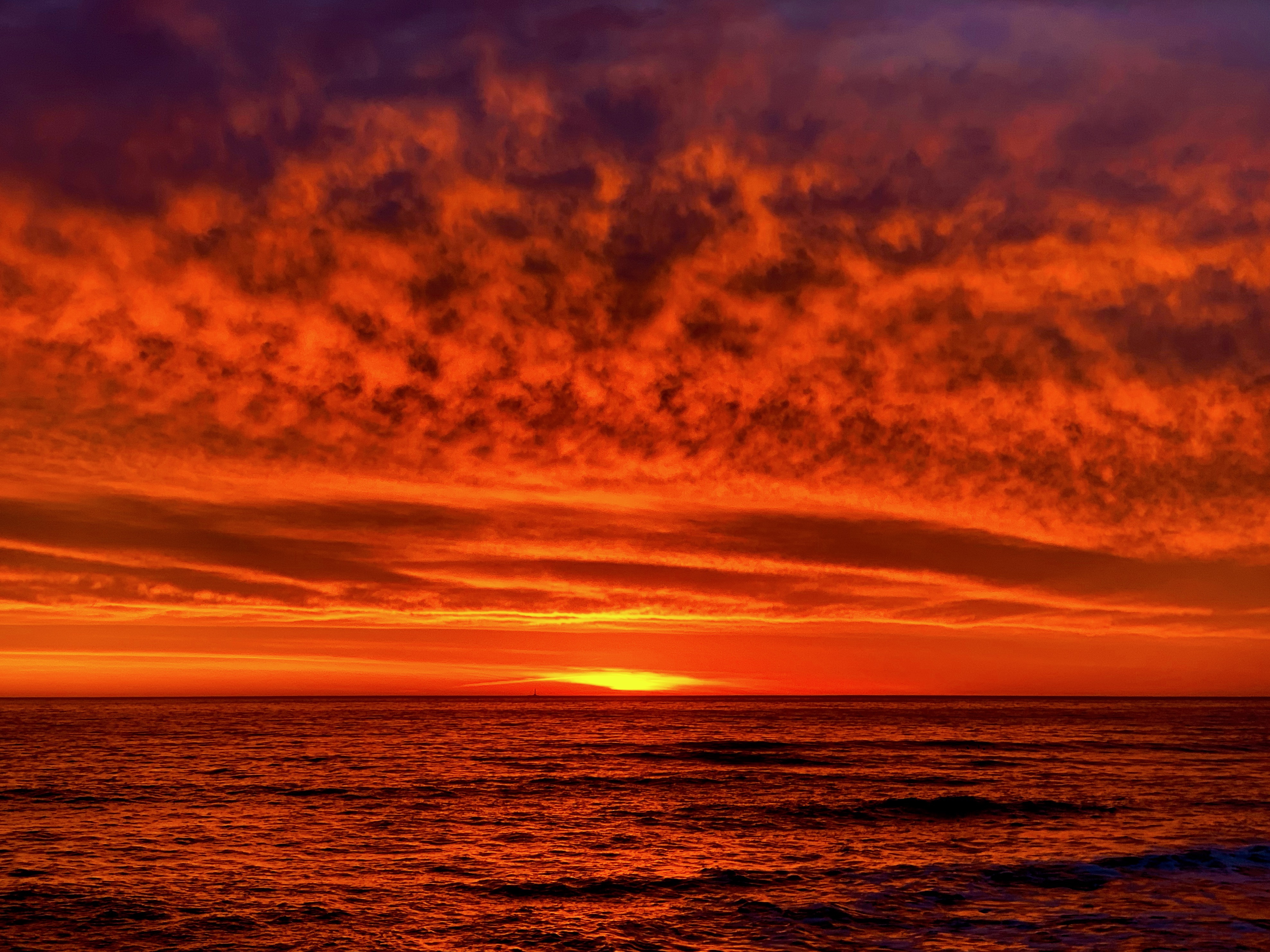
I don’t usually remember to look behind me, but this time I did.  The color there was gentle, the clouds swirling and soft, without the hard bright edges of the too-bright-to-behold sun being delivered squalling into the horizon for the day ahead. 

Sometimes looking back is uncomplicated and beautiful.  

Happy Father’s Day.

Father’s Day 2020