I’d neither learned the techniques people use to frame shots with a “real” camera, nor ever heard of rabatment until now. It is but one way to capture a slice of the world with rectangles-within-rectangles.
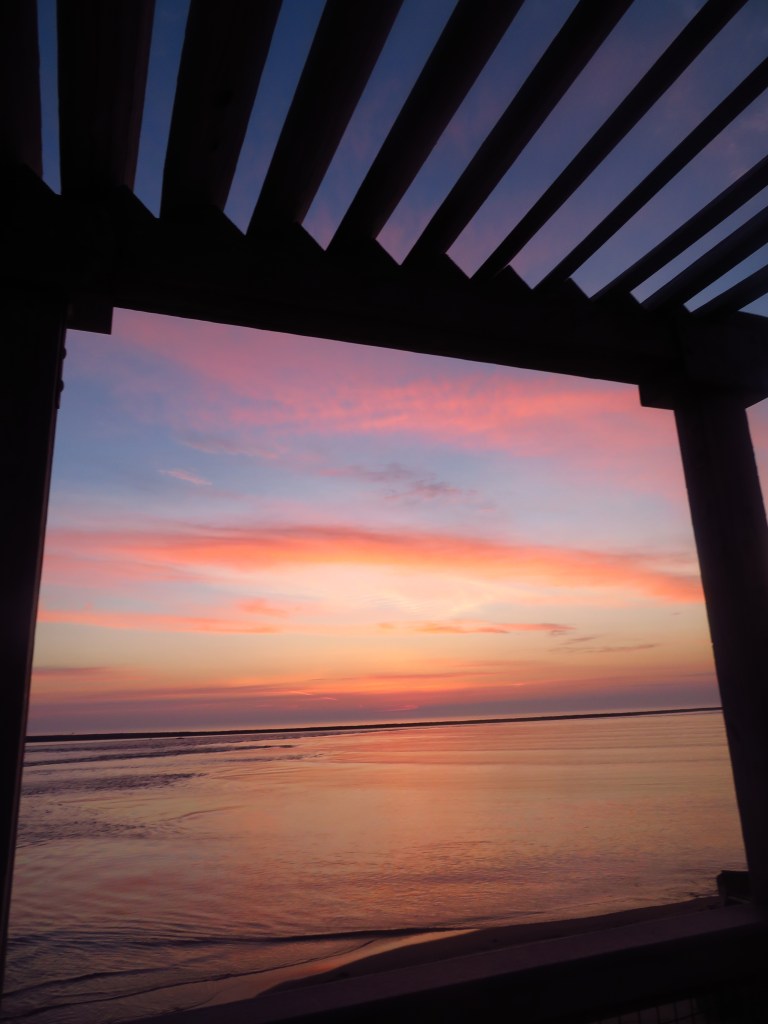
Consider all the lines one could draw to carve up the whole of a Plum Beach sunrise space into geometric planes. The cornflower sky becomes slatted air, as if one could reach up and gather sunrise’s starbursts into a morning monture.
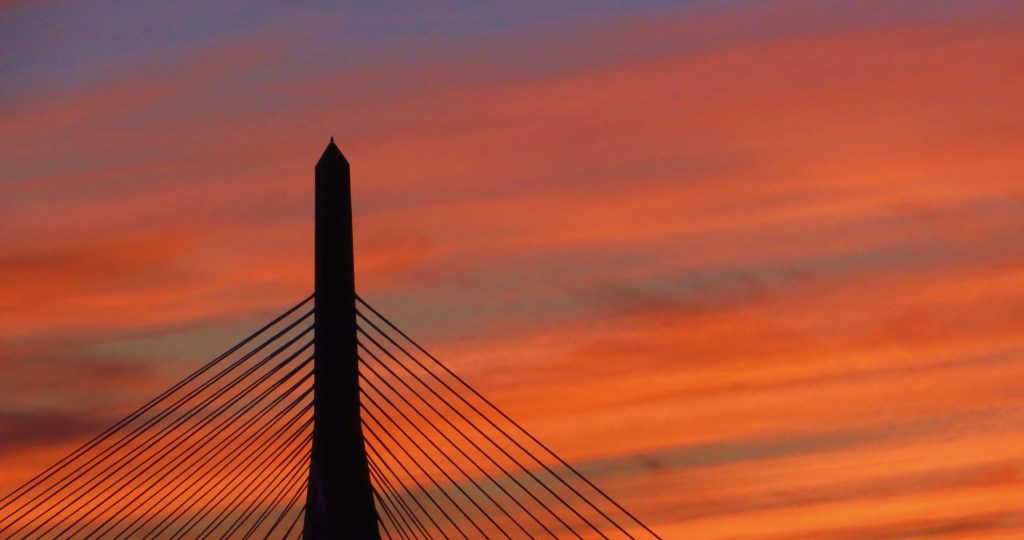
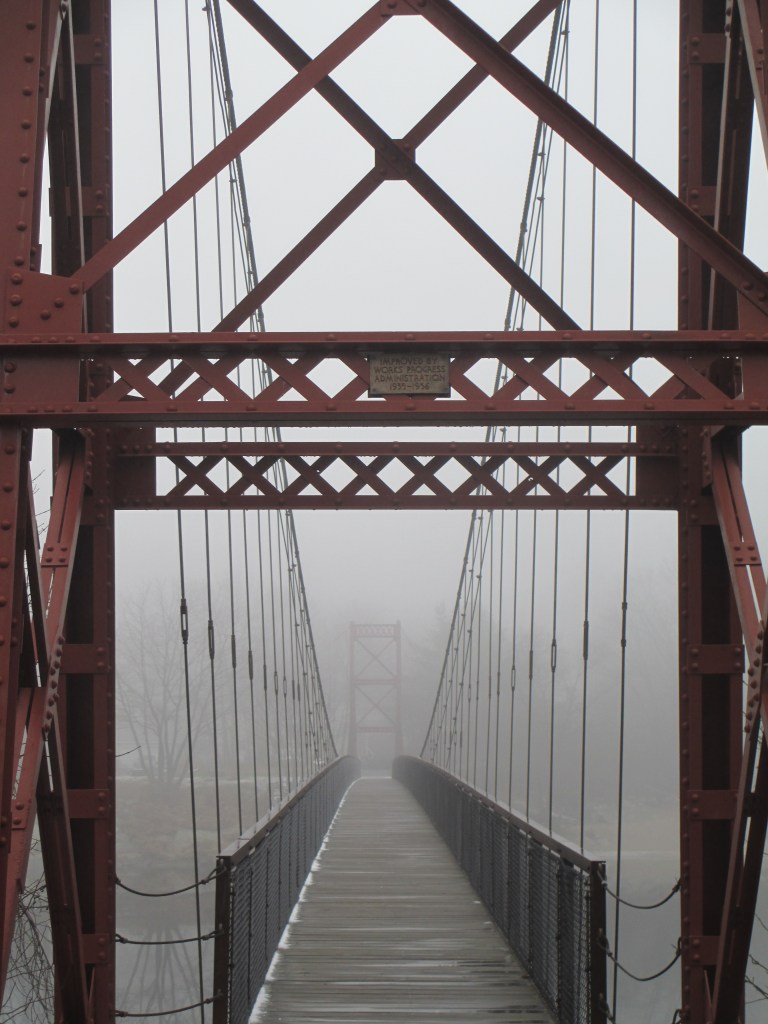
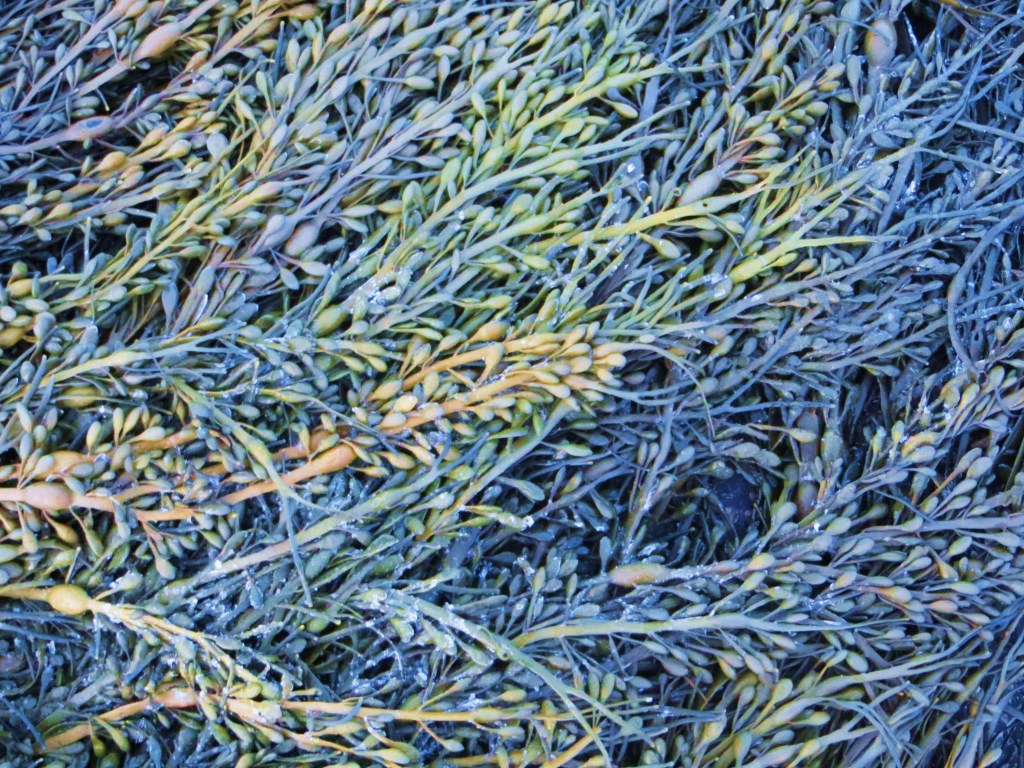
Above, left to right: Salisbury bridge, Massachusetts; suspension bridge in Bowdoin, Maine; planes of wood and air in Salisbury, Massachusetts. below: Artichoke Reservoir in West Newbury, Massachusetts.
Light and air carve off rectangular planes from landscapes of still water and gusting sky.
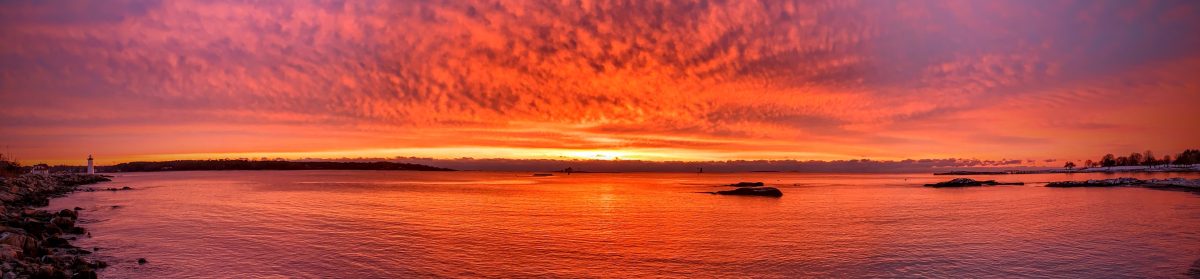
The above photo was taken on an extraordinary sub-zero Massachusetts morning. It somehow packs in each separate category of cleaving and balance in a landscape: rabatment on the left, where a leafless island tree anchors the composition; sky sheared off at the lower third, where the Merrimack River flows East to the horizon and the Atlantic; and a trick of light and clouds that slices straight down the mid-seam.
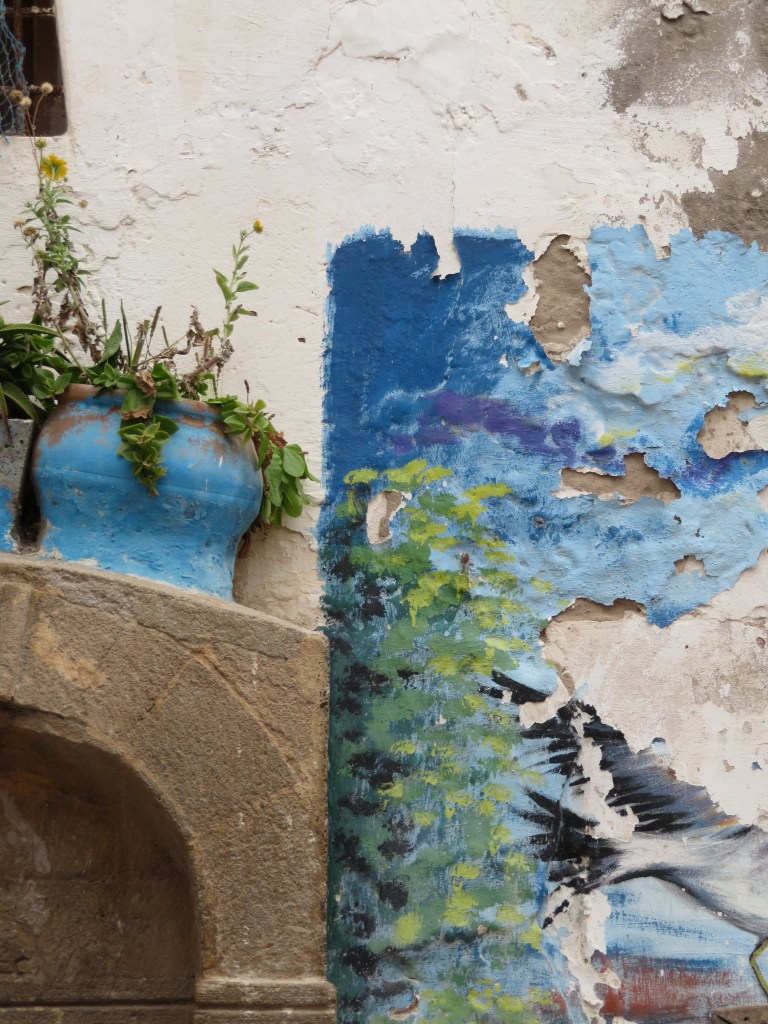
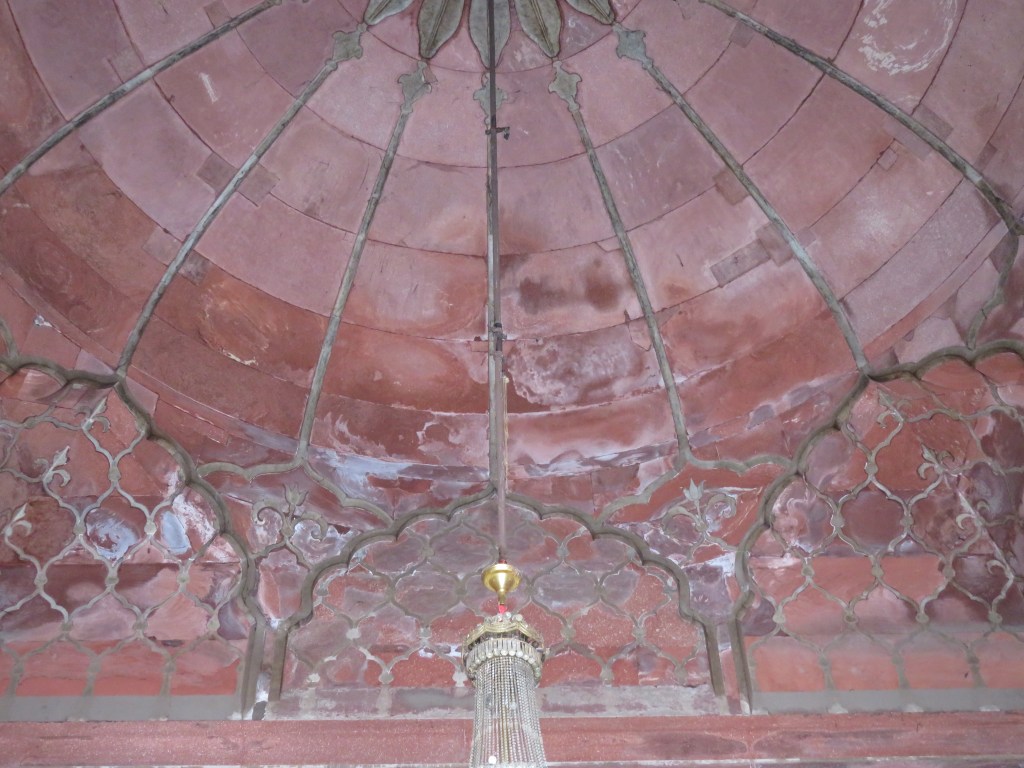
And I could not possibly leave the subject of rectangular composition without sharing a bit of rabbatement–tricks of composition by means of color and light and segmented negative space in and around another Rabat. . . .
A façade sometimes bears little relationship to what, or whom, you will find beyond it.
(As has been underscored to me by more than one bitterly divorced friend, what you expect from what’s on display is not necessarily what you will find.)
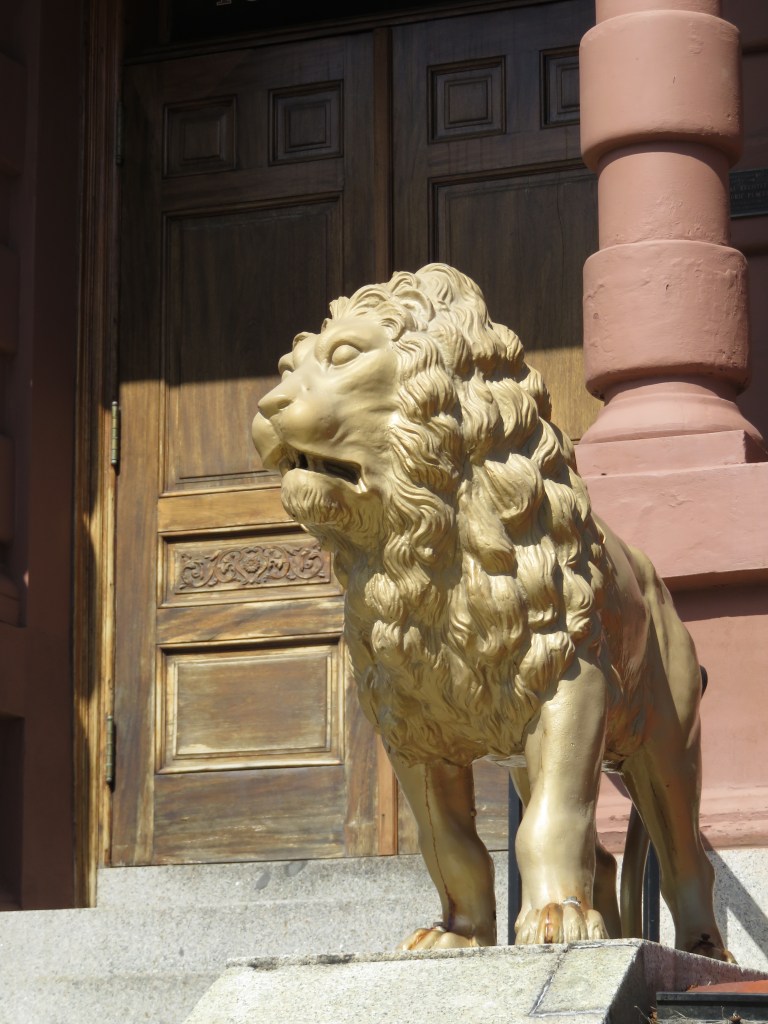
I come from a generation of buttoned-up New Englanders and introverted first-generation Brooklyners. Putting aside childhood theatrics and the professional behavior necessitated in criminal courtrooms and other adversary situations, we tend to be back-benchers in social settings. We’re not temperamentally inclined towards public displays of any kind. I may be a lioness in court, but dissolve in tears when I am alone, missing people I love.
We’re more Eames than Baroque. My mother’s collages and paintings used clean lines and empty faces which viewers are free to fill in. My late husband filled a Federalist home with a truth-in-advertising interior of hand-hewn pine furniture that was Quaker-like in its simplicity. I moved from there to a much tinier Victorian house and outfitted it in mid-century Danish Modern. (It was, as they ironically say, a look.)
I leave the most raucous visual displays to nature. As one must.
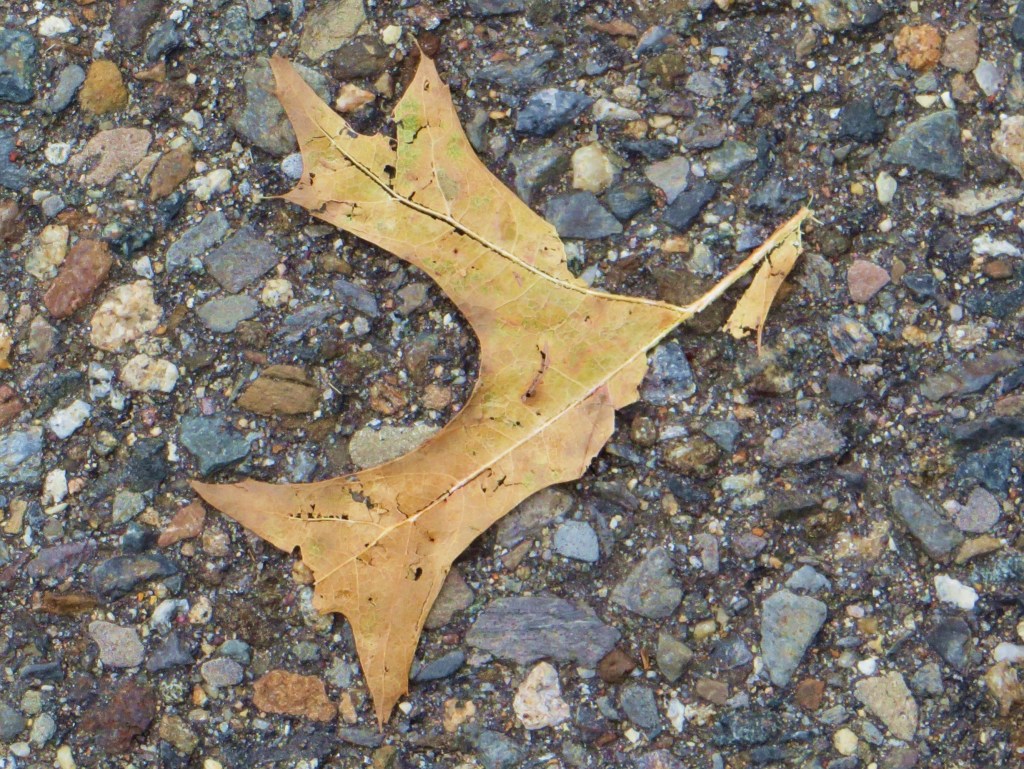
Between sunrise and sunset displays, I see nature showing off all around me. A Maple leaf crushed underfoot, transformed into an ascending dove A single bird perched in Jaiselmer, like its tethered twin in the exquisite miniature painting that hung on display in a New York Museum gallery in The Goldfinch.
I’ve realized only in reflecting about what I choose to exhibit that the photos which adorn my desk and wall are of discrete displays. Every day, I look at the series of black and white portraits arrayed at my eye level and see my children on the day my husband coaxed them into posing for a Mother’s Day gift. I feel my heart settle every time I see their faces, carrying me back to the old yellow house my husband loved when we were a family of six (not counting the beagles and their own occasionally unfortunate mischievous displays). When my husband was alive and we had no inkling anything was amiss.
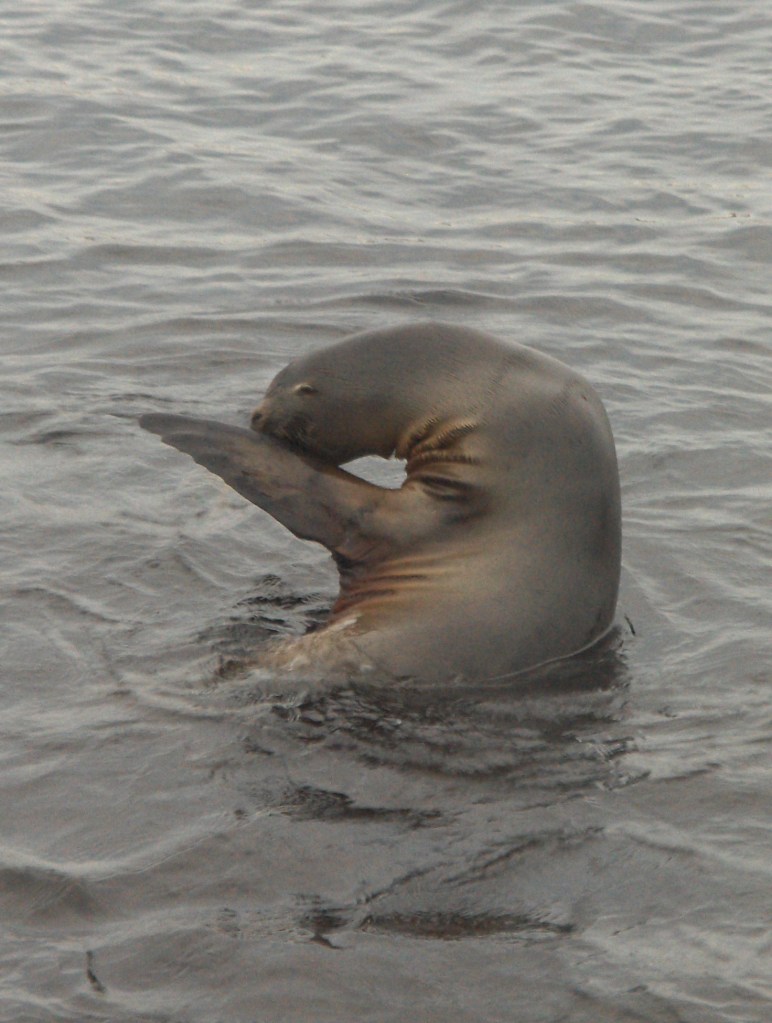
Nature continuously launches and reformulates its own displays. The outdoor photos my husband took and I’ve framed are of colorful performances among living creatures in their prime: a male frigate’s stunning (and successful) performance before a rapt audience of potential partners; scarlet macaws’ mating dance; magnificently armored molting reptiles making their rounds. A voguing sea lion. An icy silver heart lit by moonlight and delivered by high tide, displayed like a crown jewel on a black velvet beach in Iceland.
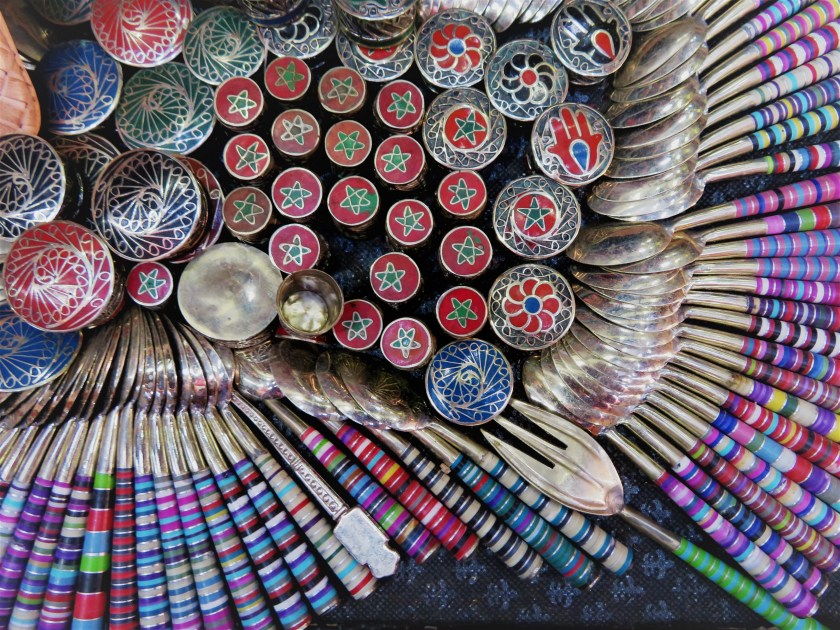
From the air, it seems like the Blue Planet itself is on display. Closer in, I’ve been struck by displays left by unseen human hands. Installation art in Boston and New York City. Wares and murals in Morocco. A single flower displayed against a silver New Hampshire pond. Birds positioning themselves within algae-slicked pier frames in Boston Harbor. A gathering storm beginning to show itself inland.
As with all art, capturing a display from whatever space I occupy in the world, and being able to share it, is both the privilege and essence of photography.
I didn’t catch his name, but will never forget his face and gaze. I saw him while navigating a human crowd in Varanasi. (The population density there, per square mile, is more than twice the average elsewhere in India.)
Greg Brown wrote many songs that stay with me, but a single lyric revisits me more than any other: “I could be to you, or you could be to me just another face in the crowd.“
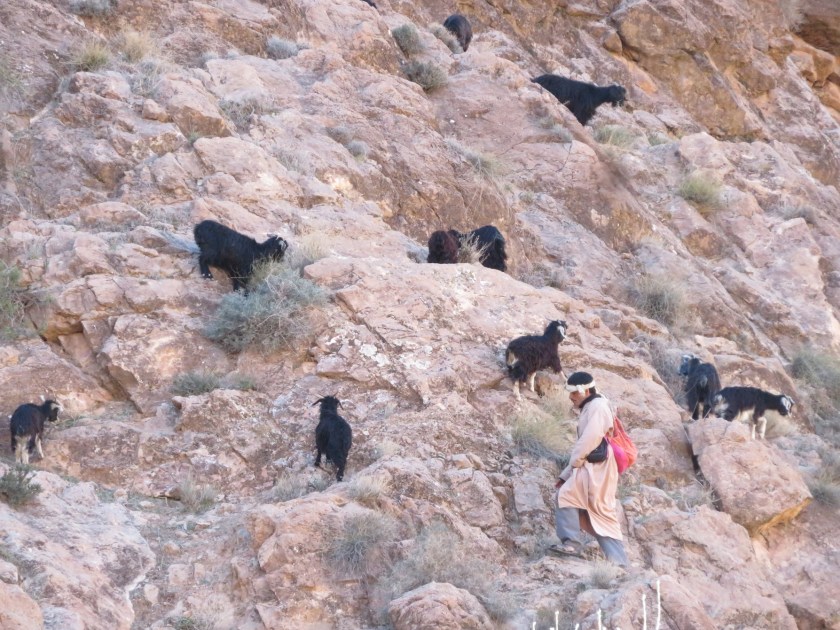
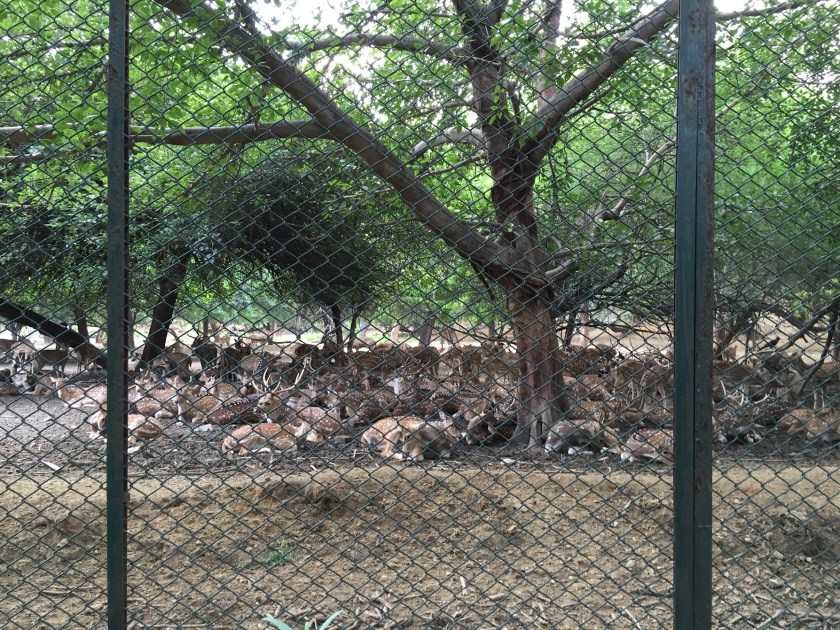
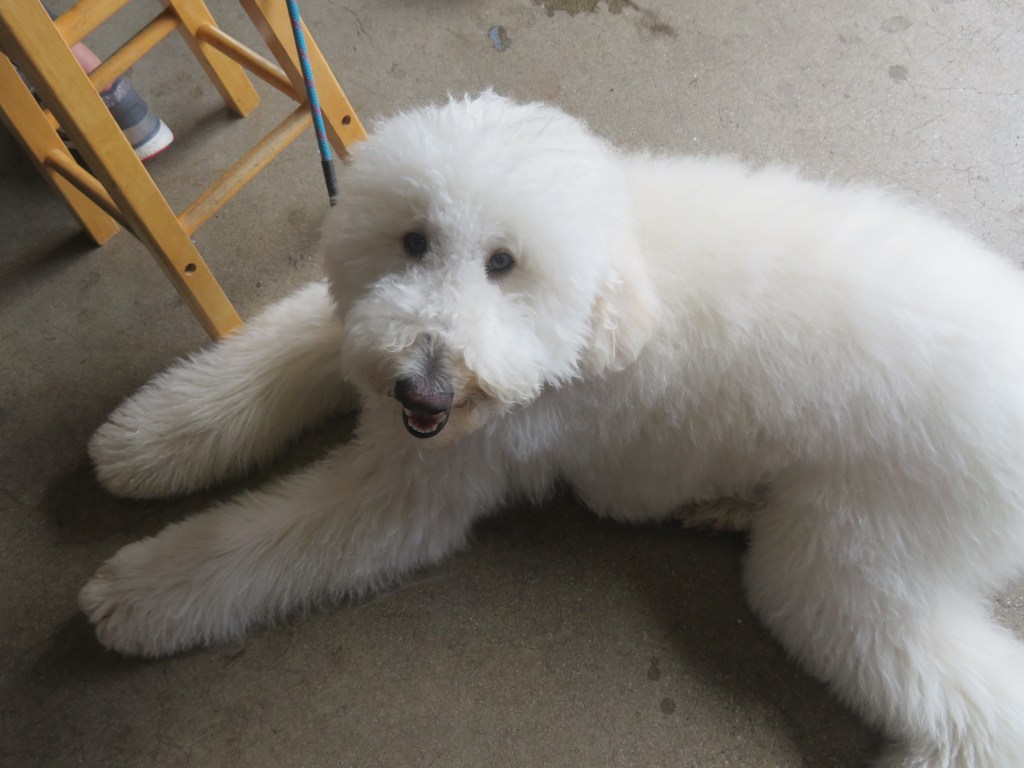
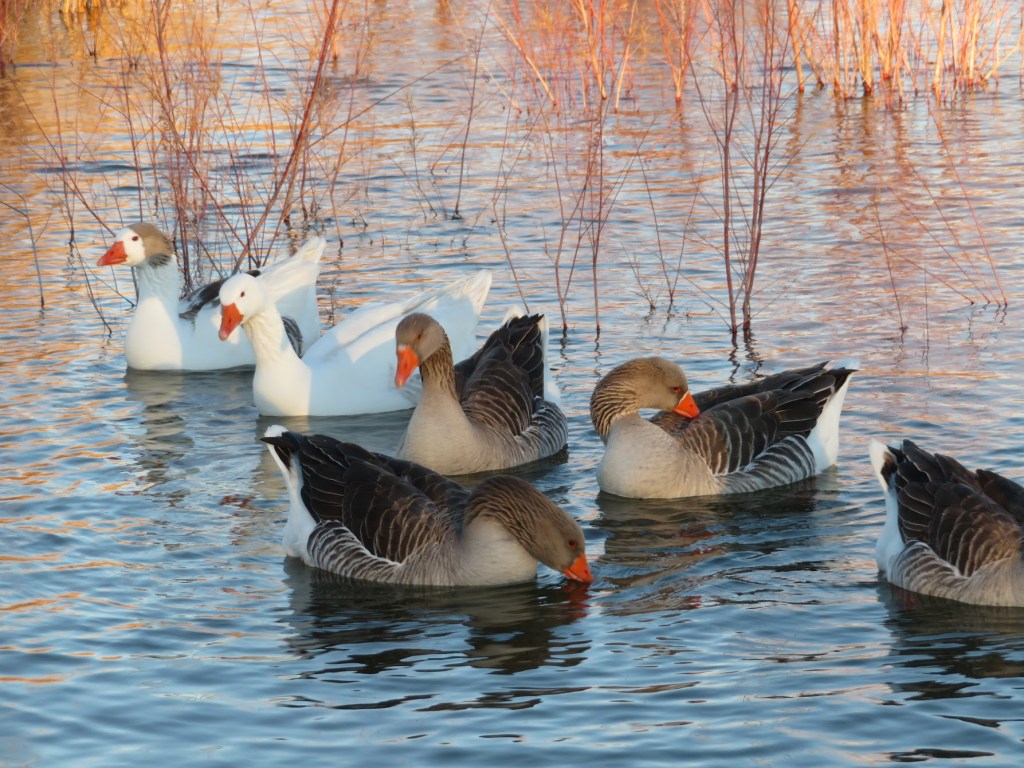
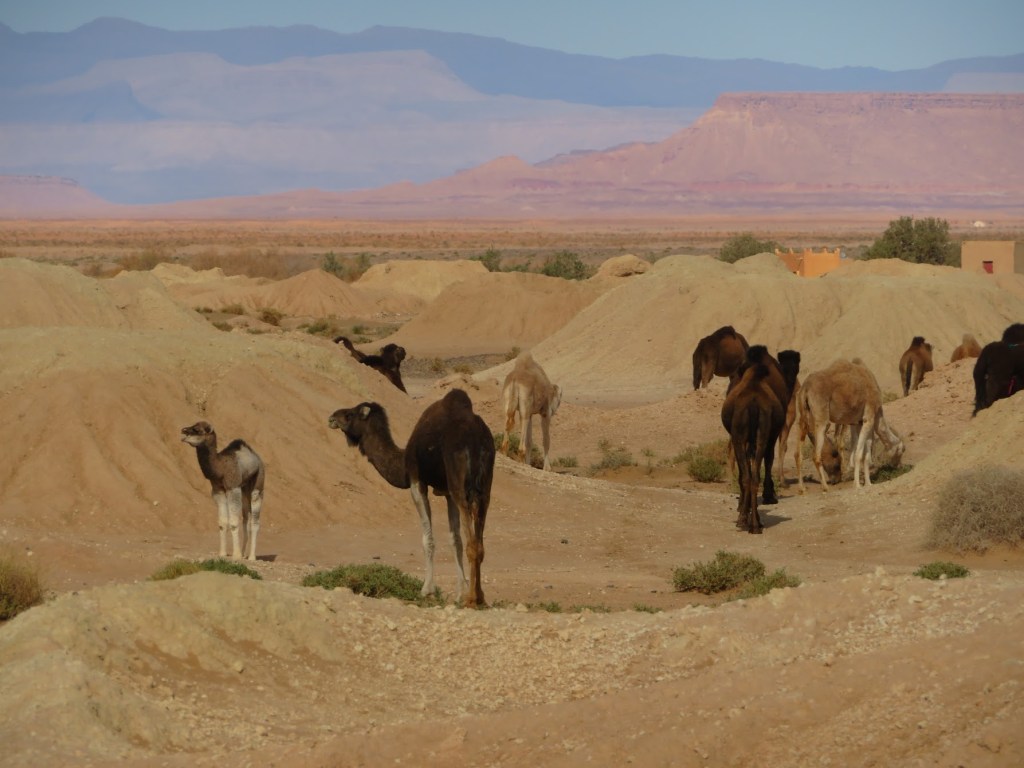
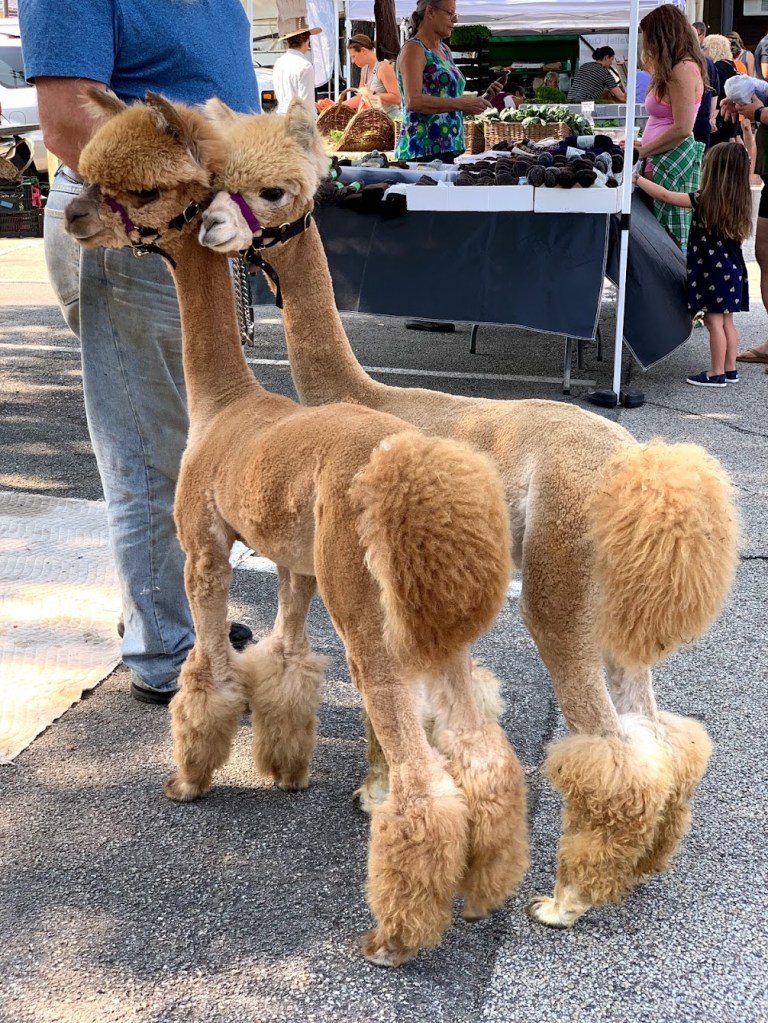
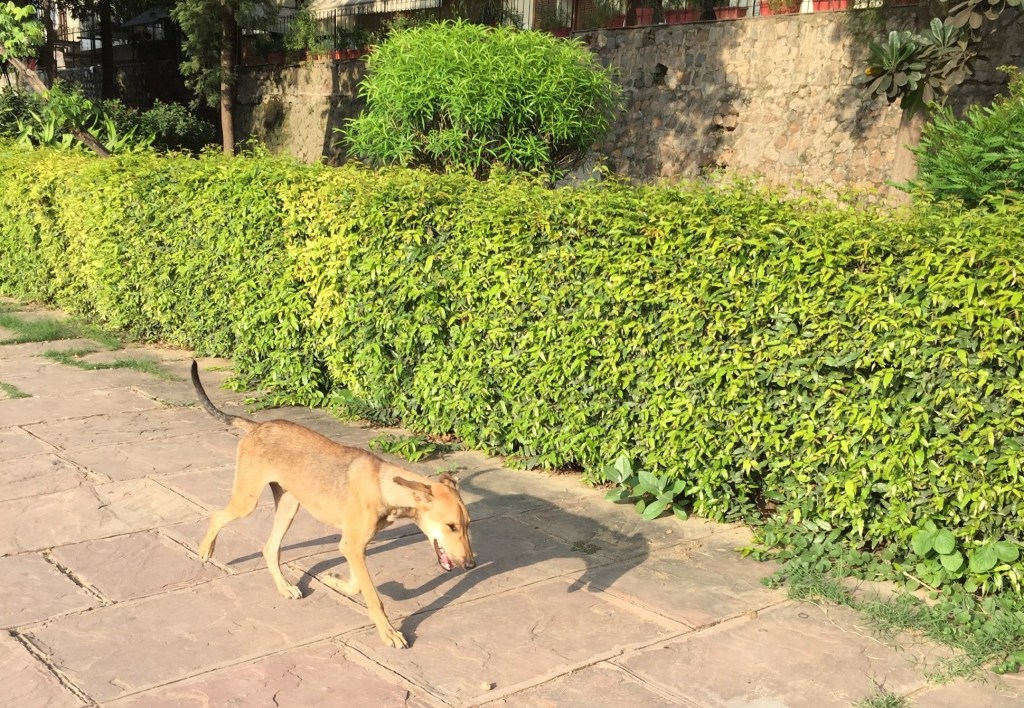
I realize that I do not take pictures of crowds, and rarely photograph individual humans. But I frequently photograph animals who stand out in crowds. A giant floof at a hopping brewery. Llamas at a Farmers’ Market. Flocks and murmurations of birds. Seagulls contemplating sunrise. Dogs walking themselves on congested city streets. Deer Park in Delhi. A young man tending to a gaggle of goats in Morocco. Camels surveying their kingdom.
These are all serendipitous encounters.
Indeed, I rarely take pictures of people, let alone crowds of them. When I find myself in a crowd, my camera seeks out the visible wonders above the fray or beneath my feet. I wonder if it is a product, or projection, of the high value I put on privacy, and against unvolunteered disclosure.
There are exceptions.
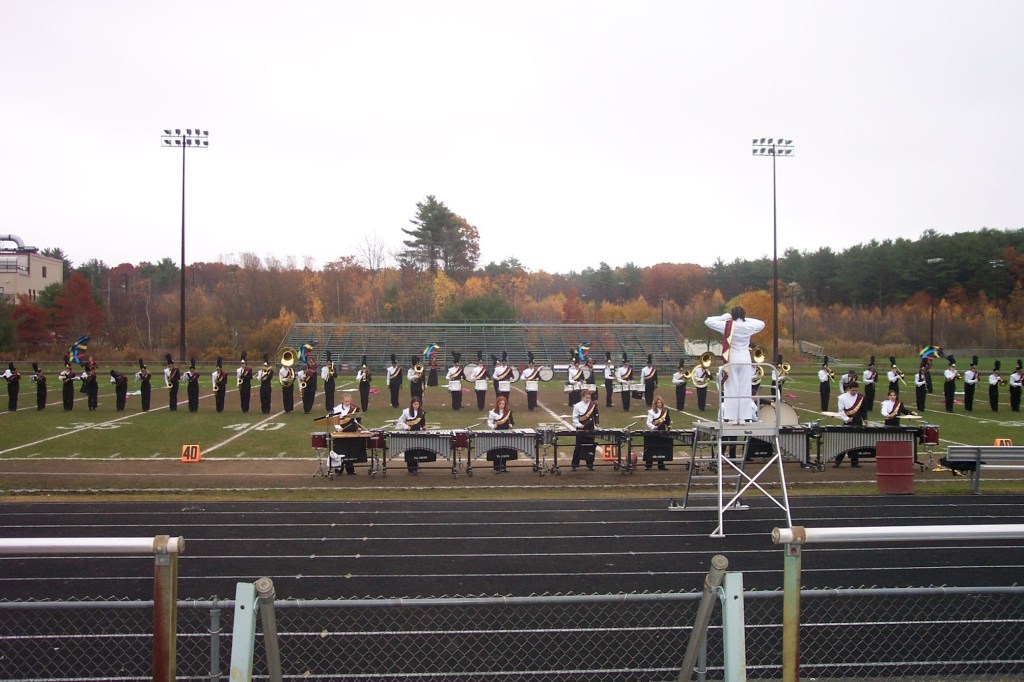
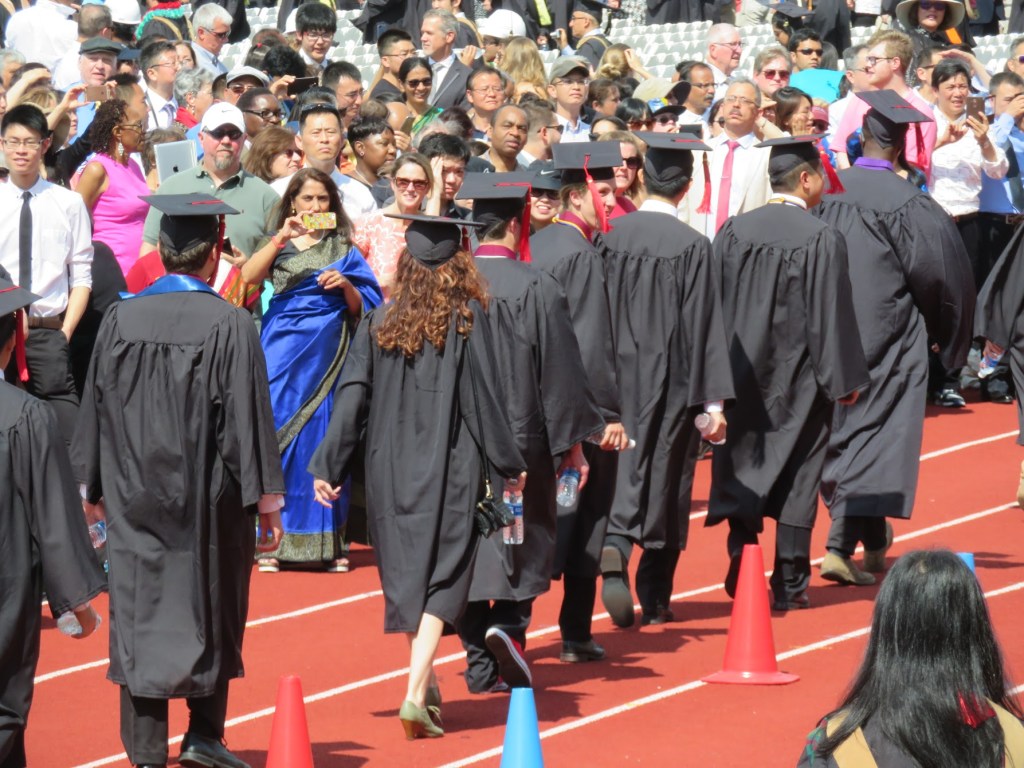
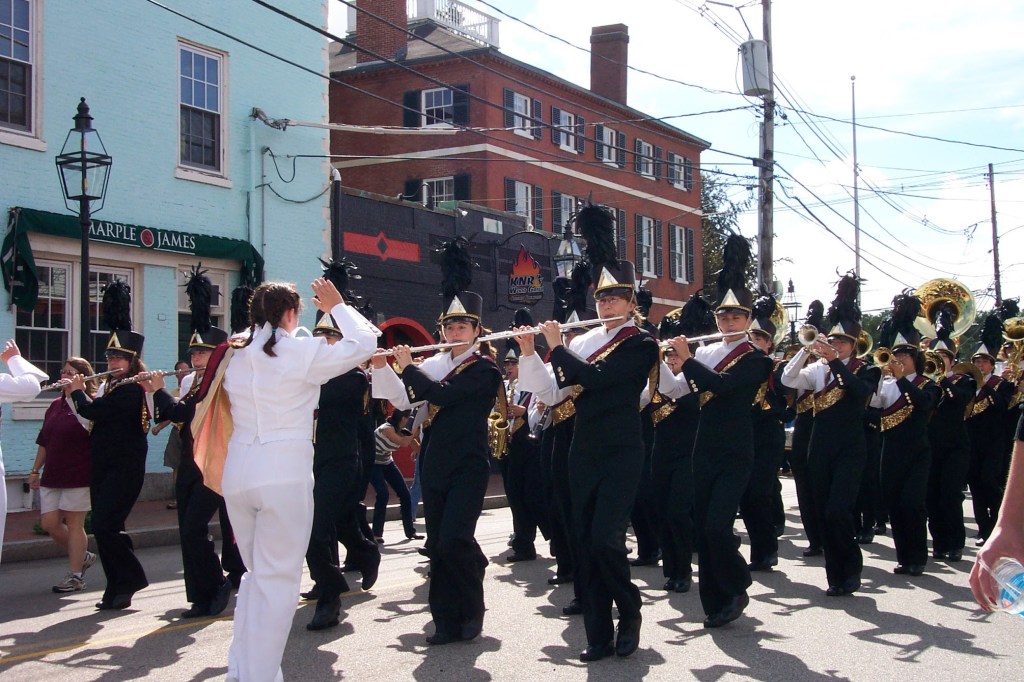
From any angle and distance, I can pick out one of my children gathering a diploma in a crowd of tens of thousands, or marching in rows of identically outfitted students in a dance troupe or marching band.
Serendipity tends to play a significant role in the most important decisions in our lives. My late husband would have been just a face in the crowd had he not spent a disappointing weekend with hard-drinking frat boys at the college he planned to attend, and instead ended up in New Jersey, where I met him in a laboratory course. I would not have been in that class had our undergraduate institution not required us liberal artsy types to take some solid science subjects. Or had I not visited that school in full-on cherry blossom season, while checking out otherwise tempting prospects in hip-high (at least for me) gray snowdrifts.
When we married and had a family of our own, one-of-a-kind faces were added to countless crowds, some in very distant places. Irreplacable faces I will always get lost in, as I continue to revisit and savor each face and phase preserved in pictures as they grew.
Had my future husband and I instead passed by one another as strangers, subsequent crowds would of course contain different humans than our children. Their friends and partners and partners’ families would not have come into, and become enduring important parts of, our lives.
I’ve only once regretted having someone serendipitously encountered come into our lives, a decent record, but still hard for a wary prosecutor who still clutches her belongings in any crowd to fathom. I have been so lucky to know the rest.
I treasure all the people who’ve stayed in our lives and could instead have been just faces in a crowd.
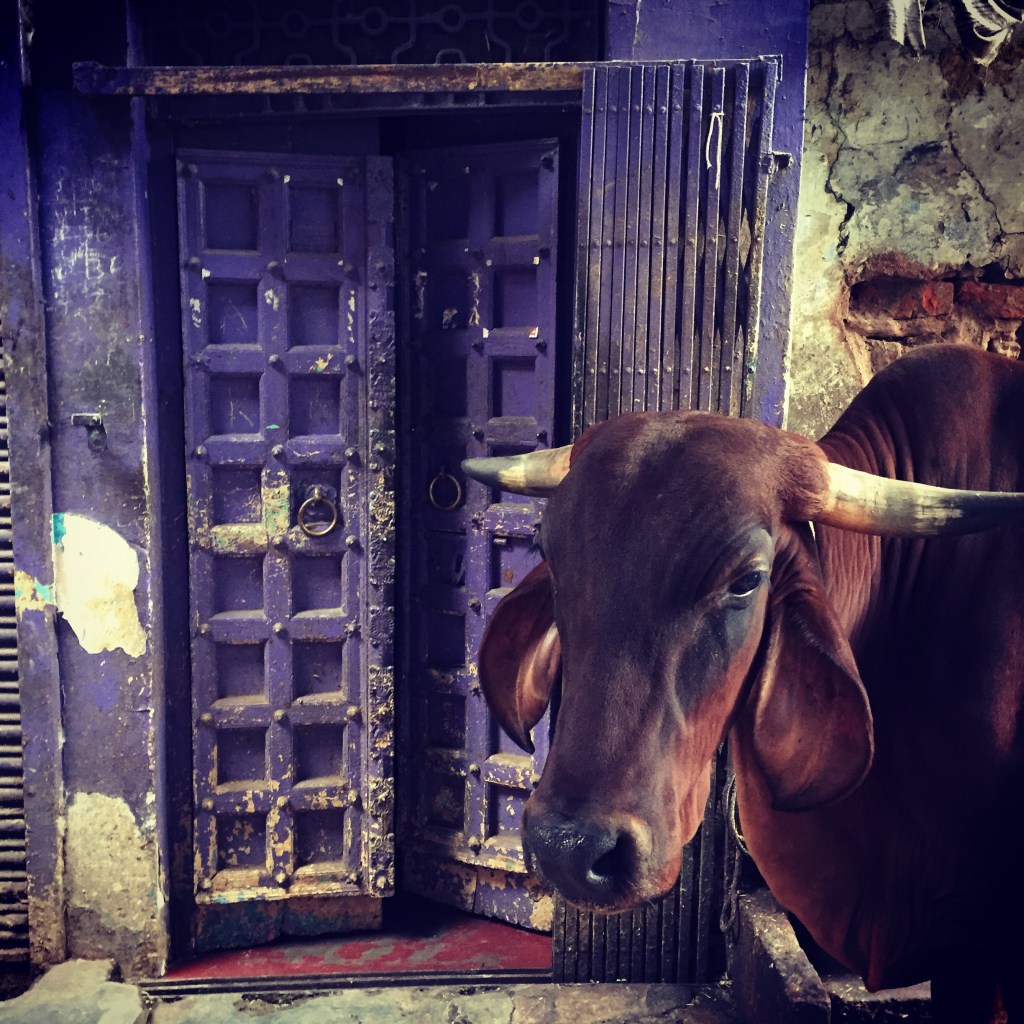
Spiritual sites abound in the great wide world. But we need not go far. Sometimes they are within our homes, or mere steps away. Occasionally they are only in our minds. They may be felt in the presence of the quotidian. A napping cow in Varanasi. A pair of pigeons in Casablanca. Painted panels in a college chapel in Maine.
Varanasi, India
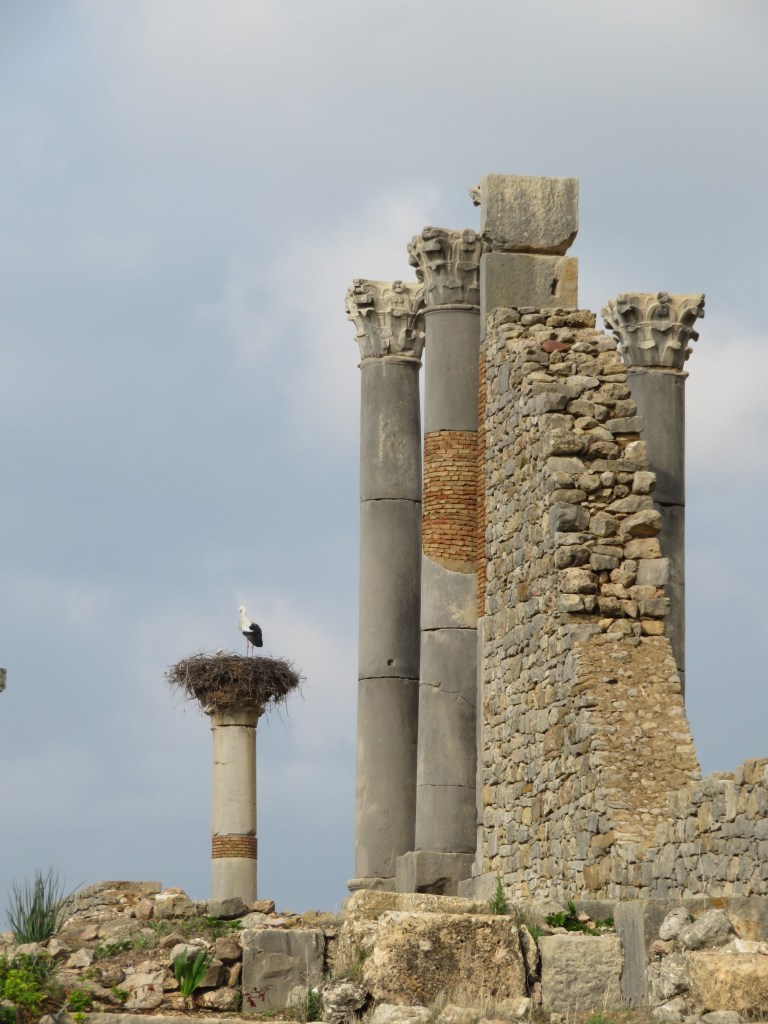
Such sites and sights, for me, are portals to the past. A single gold flower in the wet heat of sunrise over the Ganges in an ancient city. Storks nesting atop ancient Berber-Roman columns’ capstones, open to the heavens after the structures they held have crumbled away. In Volubilis, a nesting parent appeared to bask in the perfection of her landing atop a now freestanding pillar near Meknes.
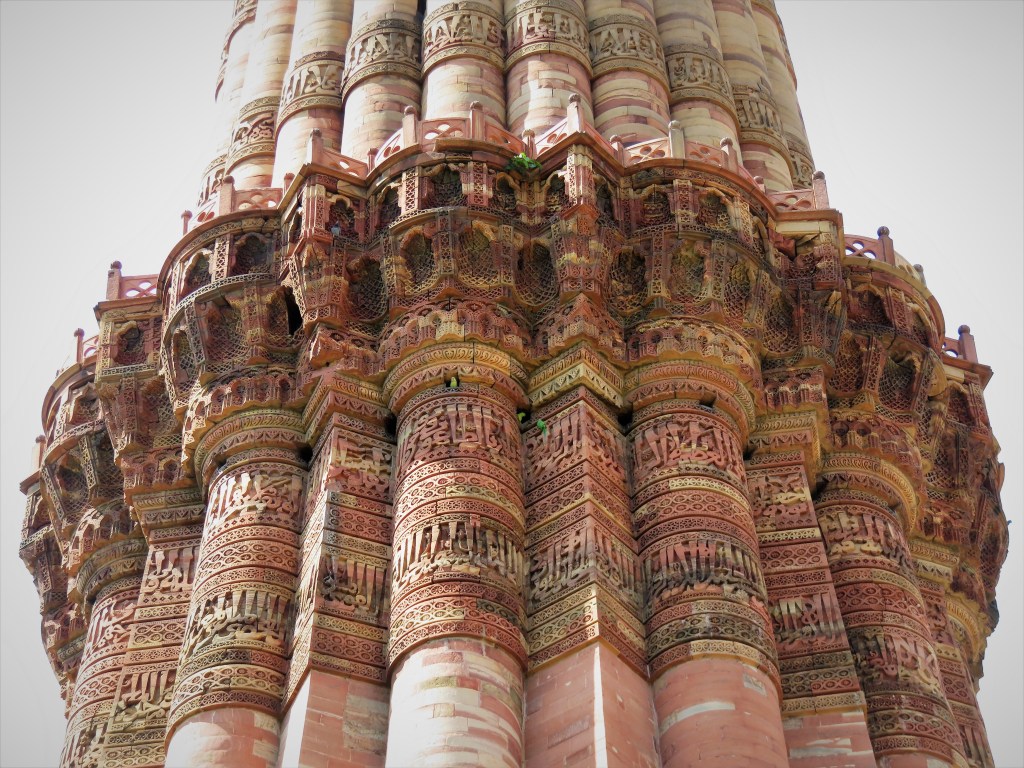
My daughter took me to Qutb Minar, where brilliant lime parakeets looked down on us from a crown of carved bricks on a minaret taller than ten stacked Green Monsters. The view from the ground left me thunderstruck. I can only imagine the awe in surveying the earthbound from such heights.
Lowering my gaze to the horizon, I also regularly find spiritual sights and sensations. On gray and pastel mornings, and when an ordinary day catches fire–sometimes just for a few minutes–and on every day in between.















 Love in the Spaces