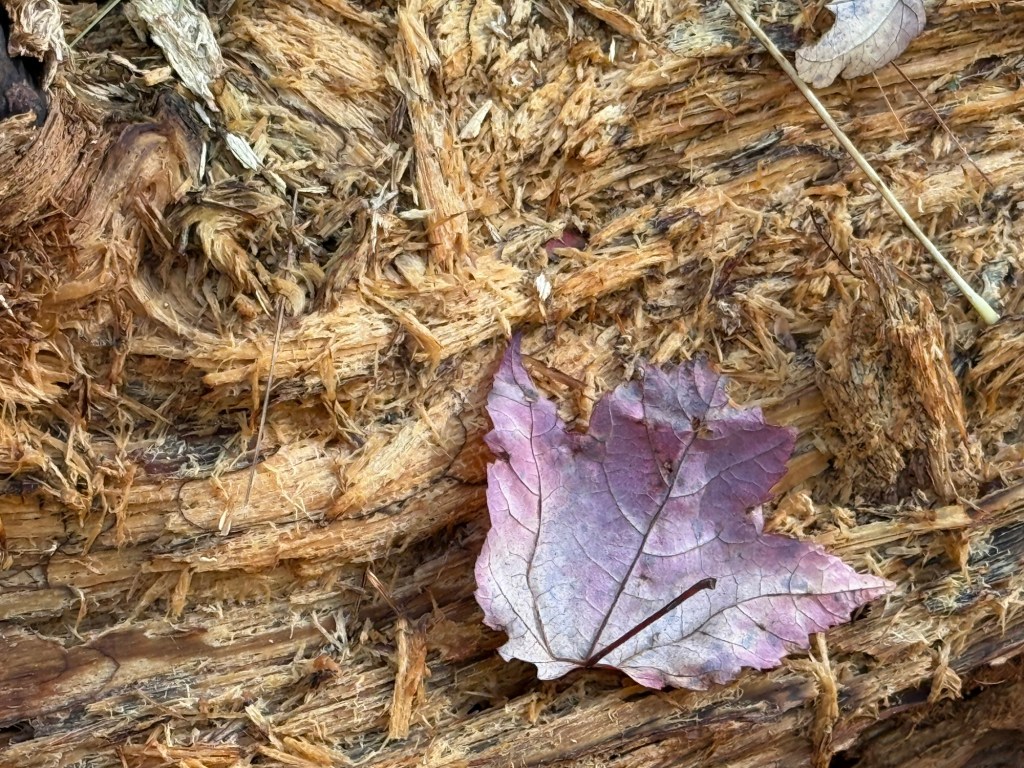
Ephemera fades at warp speed during fall in New England. Sometimes one can see each phase of a life cycle within a single fallen leaf.
Photographs and photographers are keepers of otherwise ephemeral memory, both for the person behind the lens and whatever was captured.
I continue to seek out and hoard such images. They seem incomplete unless I can share them. I’m delighted when someone else sees something worth capturing in their unconventional beauty. A partially skeletonized leaf or a rainbow in an oil slick. An arthritic lavender leaf atop a bed of dessicated seagrass.
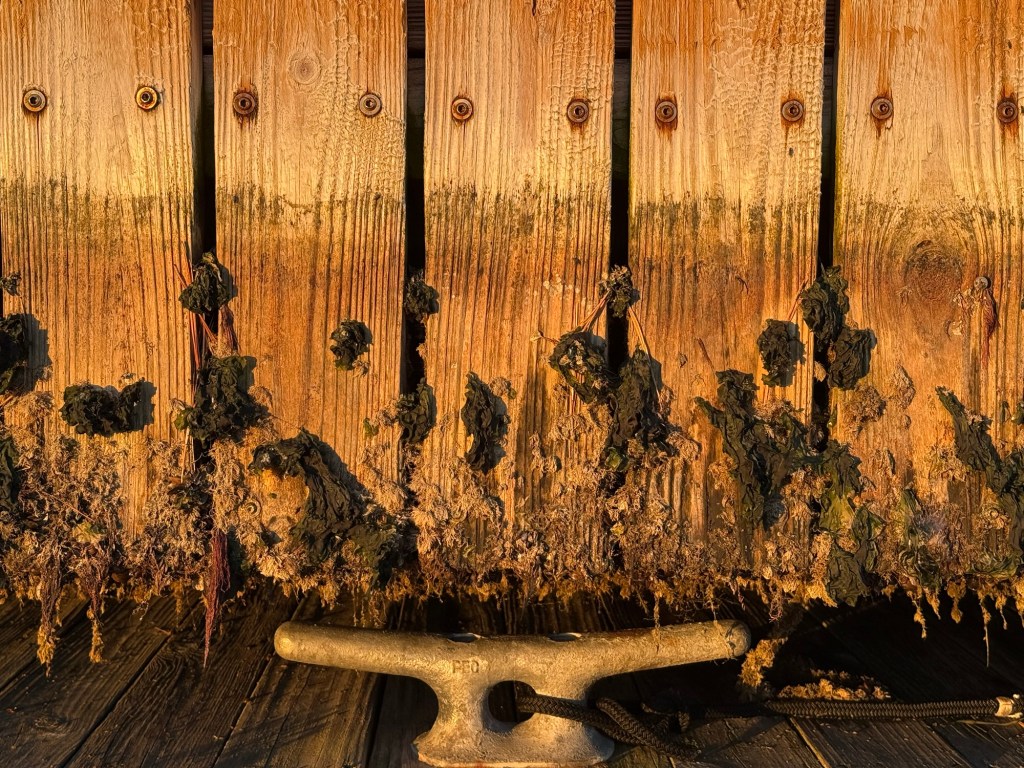
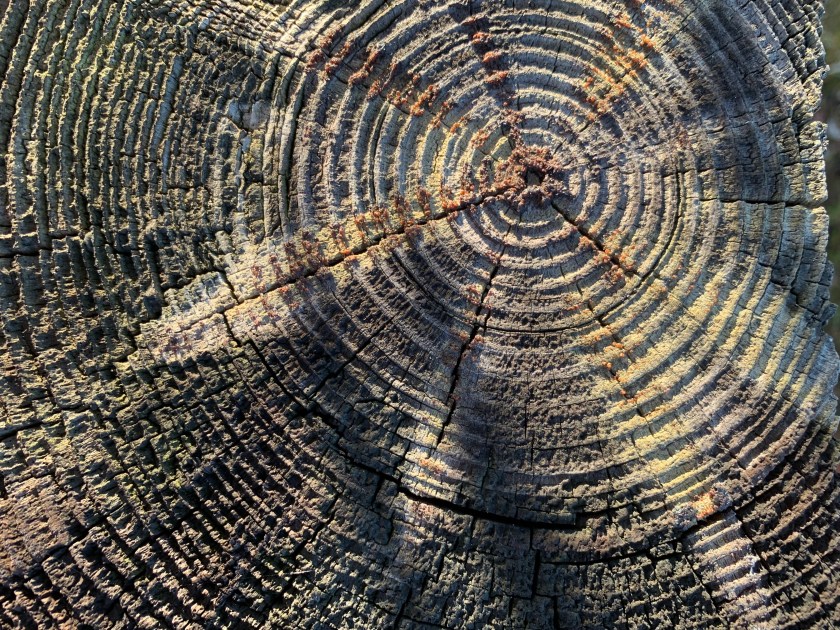
There’s beauty to be found in redolent colonies of late-season barnacles and in chipped shells and seaweed calligraphy on icy sand. The star shape within a tree trunk’s severed stump. Encrusted docks hauled out of the Atlantic for winter
And there’s a wonder and a comfort in the way such treasures fade and disappear but make their way back, in new generations, for however long anything that dances with light can stay.
I have only recently been freed from silence’s surlier bonds. Paradoxically, it’s left me a bit tongue-tied.
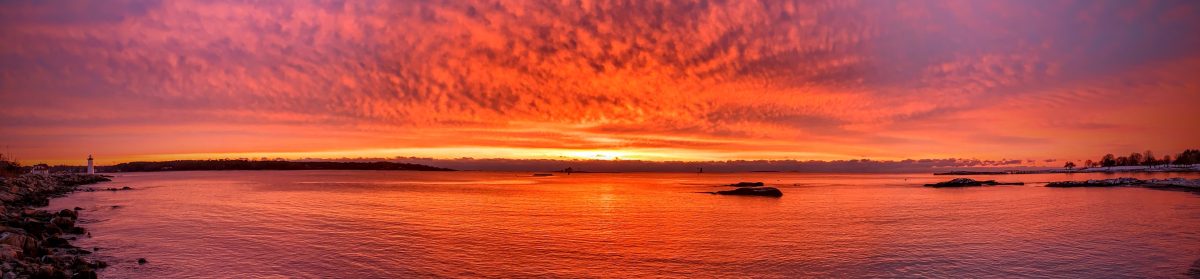
It’s hard to know where to begin, so I’ll start with a sunrise.
One that I doubt I’d otherwise have seen.
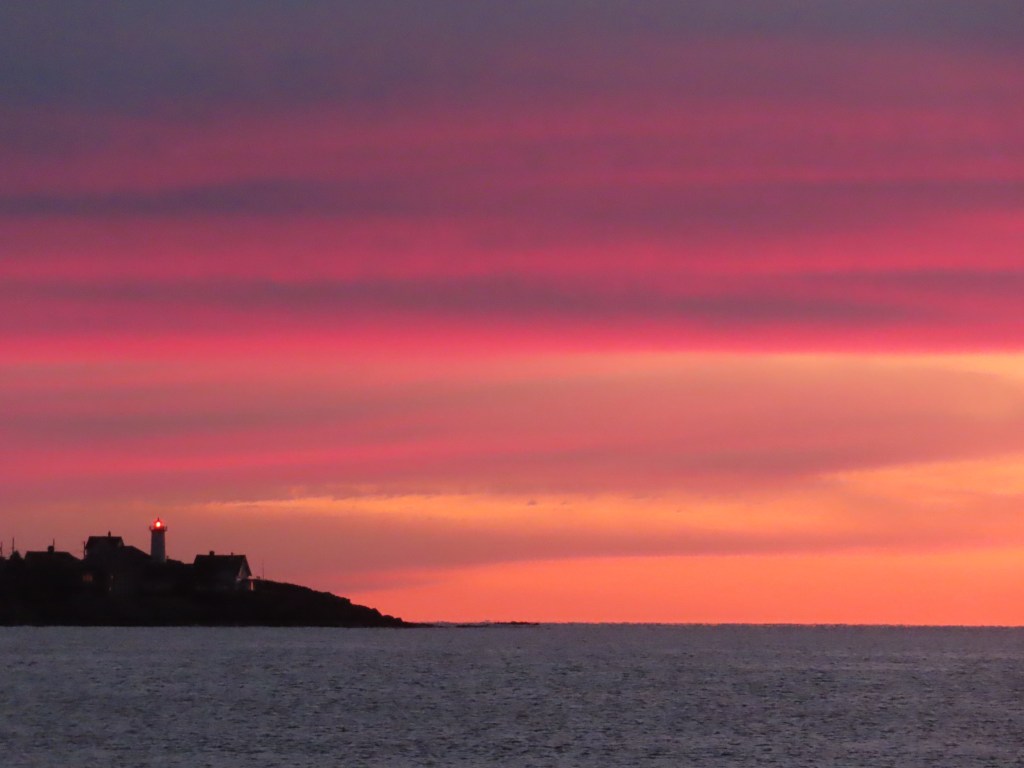
My son had taken me to what I’m told is one of the most photographed lighthouses in lighthouse-rich New England. Walking gingerly towards it, steadying myself on the arm of a son who’s grown to be almost his dad’s height, no other humans were in sight.
The light that began weaving through predawn dark was extraordinary. Bright orange began threading itself along the horizon. Magenta and lavender sprouted in patches on indigo sky. Then it turned to the most extraordinary pink display I’ve ever seen, before disappearing into an ordinary blue sky. No one who passed by after those suspended moments would have been any wiser to the magic.
The picture I’m sharing wasn’t of sunrise that year, or that day, or the surrounding ones. That deep blue-green camera had ended up shattered in the wreckage of my car, which I mercifully never saw again. The photographs of the damage were more than disturbing enough for me.
I was hit so ferociously hard and at such high speed that morning that my driver’s side door handle broke off and my car spun more than a full rotation, the driver’s side crushed in at the point of first impact, the rear bumper detaching at a second impact as I spun. I felt something spattering and thought it must be my blood, and wondered who would tell my children and look out for them. I was later told it was a mercy I’d been hit at just the angle at which my driver’s side airbag didn’t deploy, because it likely would have snapped my neck given my (not hefty) size.
Since that day I’ve felt like a shadow.
Fears I’d been so proud of leaving behind returned and magnified. I’ve been in intractable pain from spinal injuries, and a traumatic brain injury has taken away so much more. I’m not the same person. I’m not the mother I’ve needed to be. I lost the ability to do the job I loved nearly as well as victims deserve. I’m not even the writer I was. I’m tentative in a way that doesn’t feel anything like me.
And while overwhelmingly the people in my life have been beyond helpful and supportive and kind, I’ve also been dropped cold by two people I’d been a loyal friend to for years, revealed to be incapable of such bonds. That’s sometimes been a deeper blow than the physical pain.
But even in all this turmoil and pain, I’ve been blessed with the community here. In my rare appearances in the long interim when it was I who was a prospective witness and could not yet speak, I have been amazed and grateful at those of you who keep reading and giving me excuses to share my photos. I’ve even talked to some of you in real life (you know who you are, and thank you so much for checking in on me after I went silent).
I’d neither learned the techniques people use to frame shots with a “real” camera, nor ever heard of rabatment until now. It is but one way to capture a slice of the world with rectangles-within-rectangles.
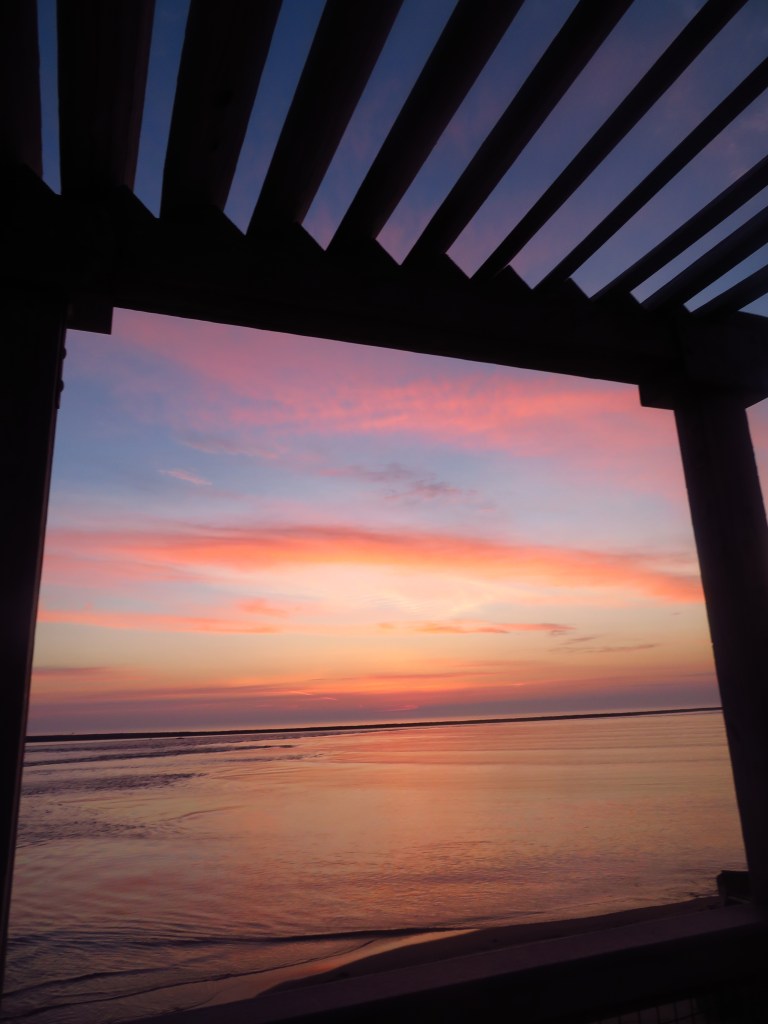
Consider all the lines one could draw to carve up the whole of a Plum Beach sunrise space into geometric planes. The cornflower sky becomes slatted air, as if one could reach up and gather sunrise’s starbursts into a morning monture.
Above, left to right: Salisbury bridge, Massachusetts; suspension bridge in Bowdoin, Maine; planes of wood and air in Salisbury, Massachusetts. below: Artichoke Reservoir in West Newbury, Massachusetts.
Light and air carve off rectangular planes from landscapes of still water and gusting sky.
The above photo was taken on an extraordinary sub-zero Massachusetts morning. It somehow packs in each separate category of cleaving and balance in a landscape: rabatment on the left, where a leafless island tree anchors the composition; sky sheared off at the lower third, where the Merrimack River flows East to the horizon and the Atlantic; and a trick of light and clouds that slices straight down the mid-seam.
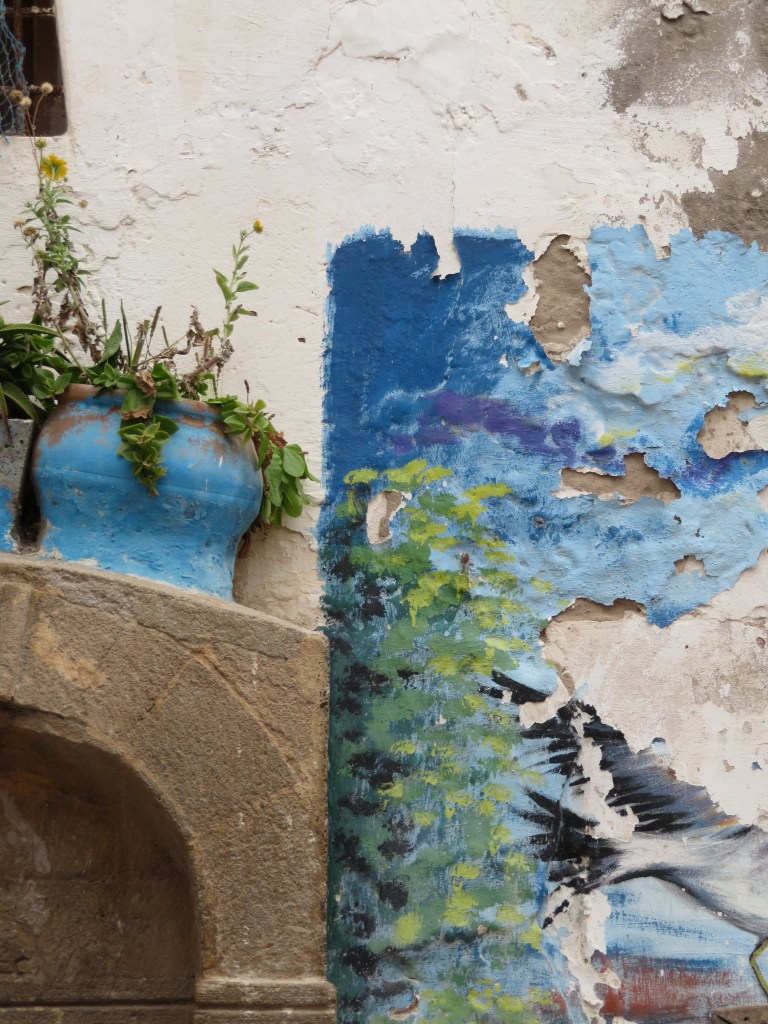
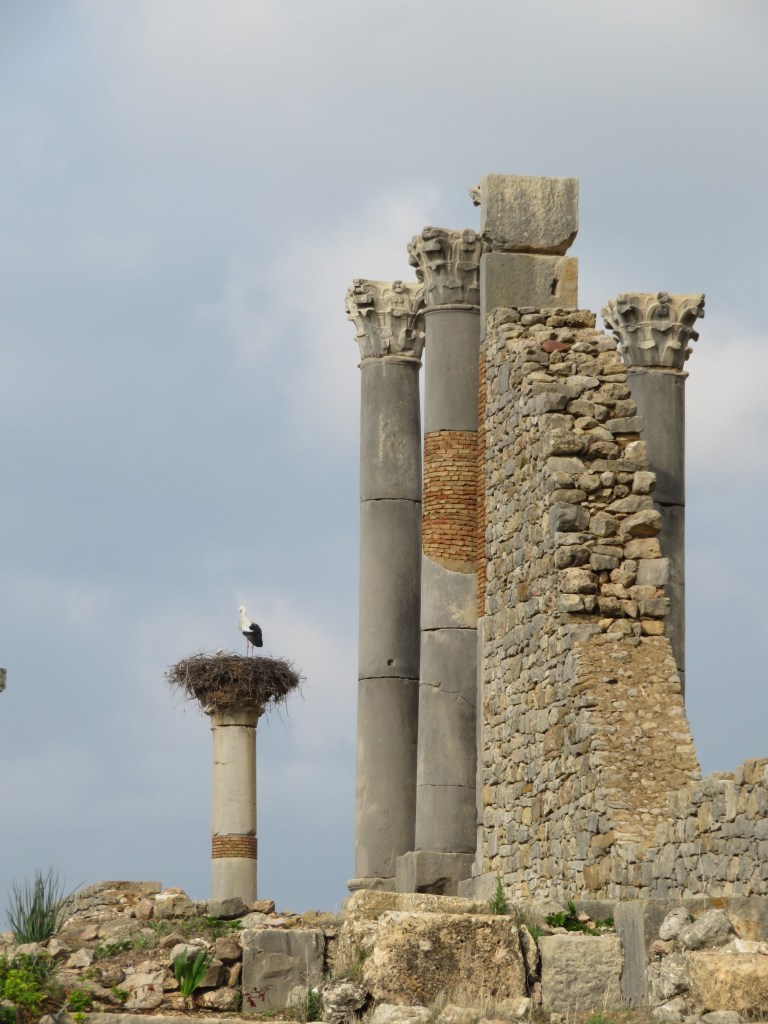
And I could not possibly leave the subject of rectangular composition without sharing a bit of rabbatement–tricks of composition by means of color and light and segmented negative space in and around another Rabat. . . .
There’s a certain thrill in clenching a fist at a poker table, before opening it to reveal one chip, two chips, or an empty hand.
Are you betting against the high hands or the low hands? Or are you betting it all on winning both by extracting five of seven cards for the high and a different group of five for the lowest low?
Will you take the whole pot, or nothing?
The possible highs and lows are limited by face-down cards you have not seen, and there’s no reward for anything in-between.
Wherever I’ve found myself in the world, my camera has been poised for the landscape shot. Extended into a panorama, my phone camera actively protests if I do not continuously anchor my shot at the exact midline of whatever’s before me.
The line where there is no up and no down, but just a steady line from West to East.
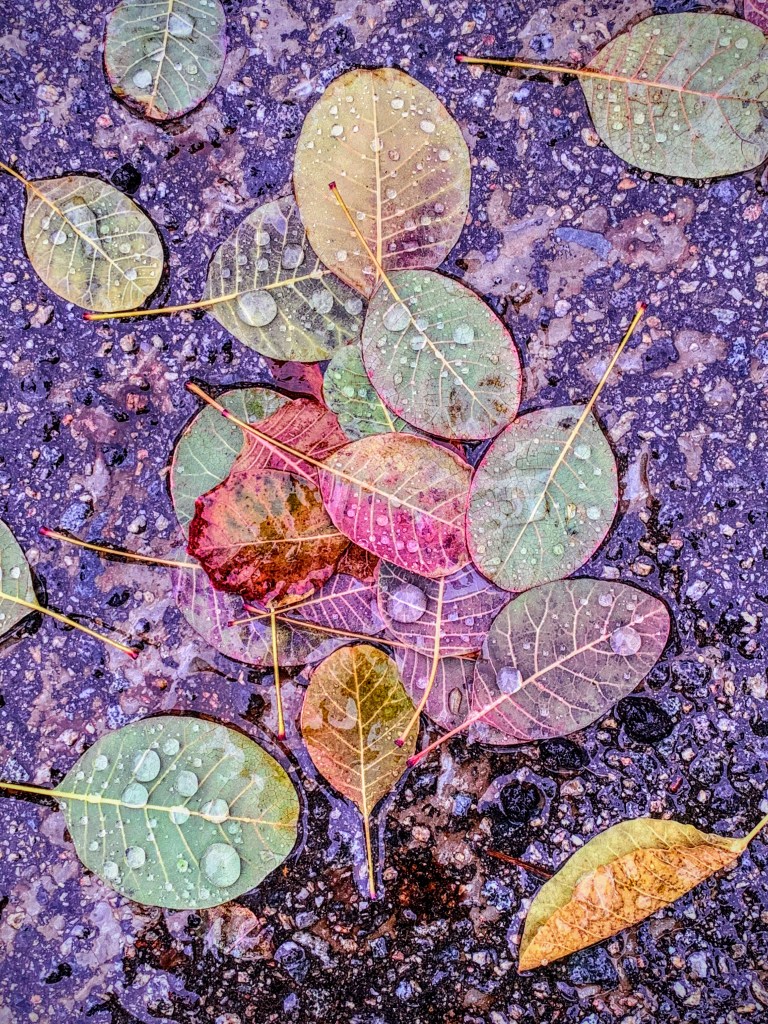
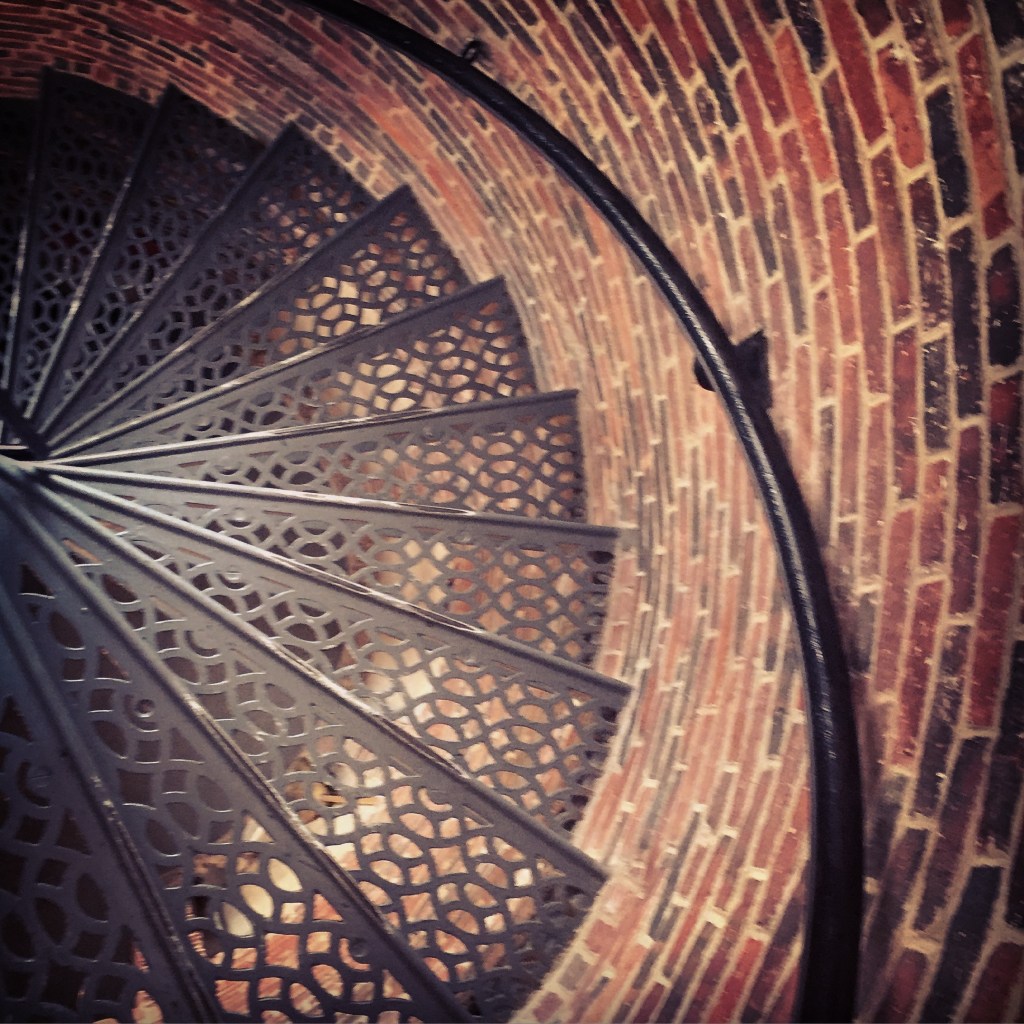
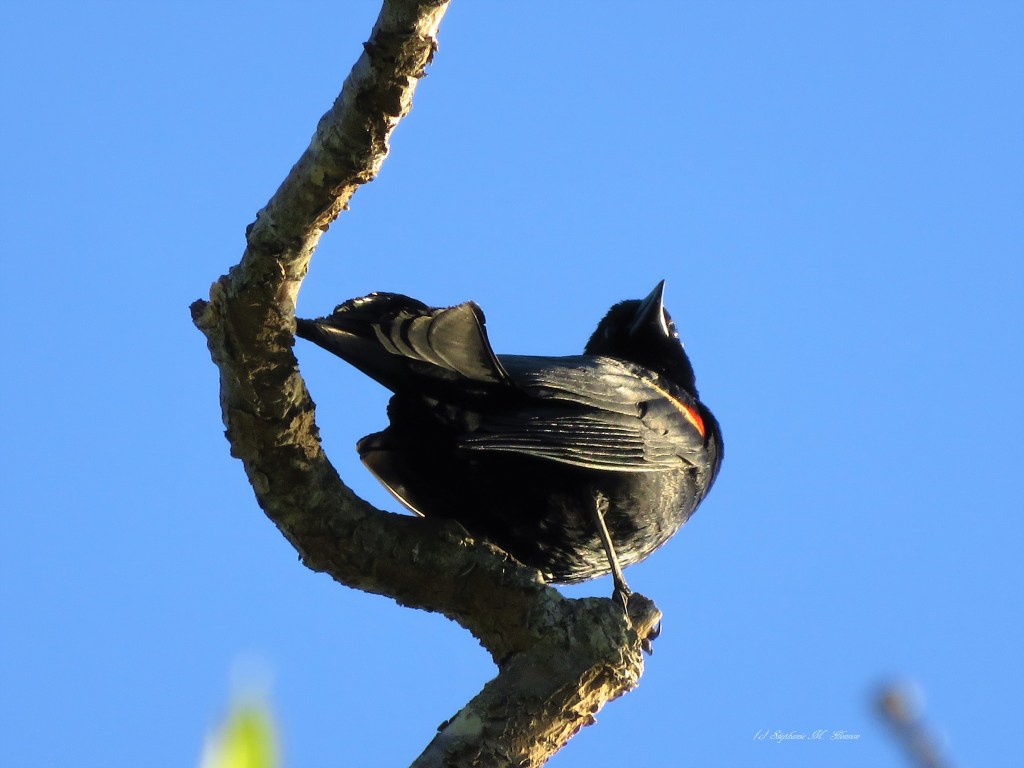
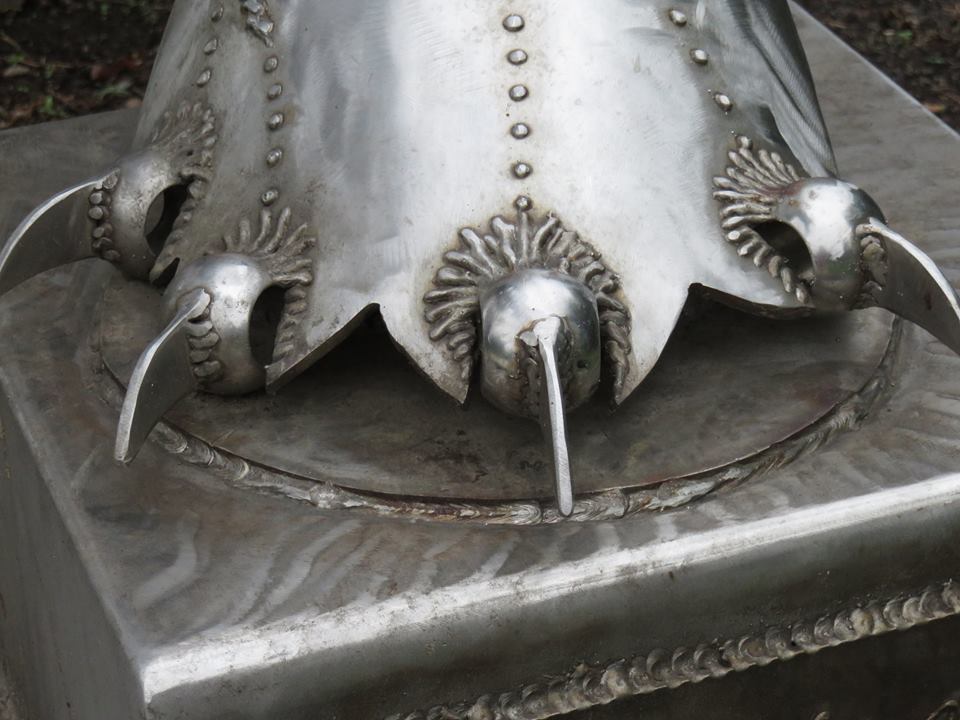
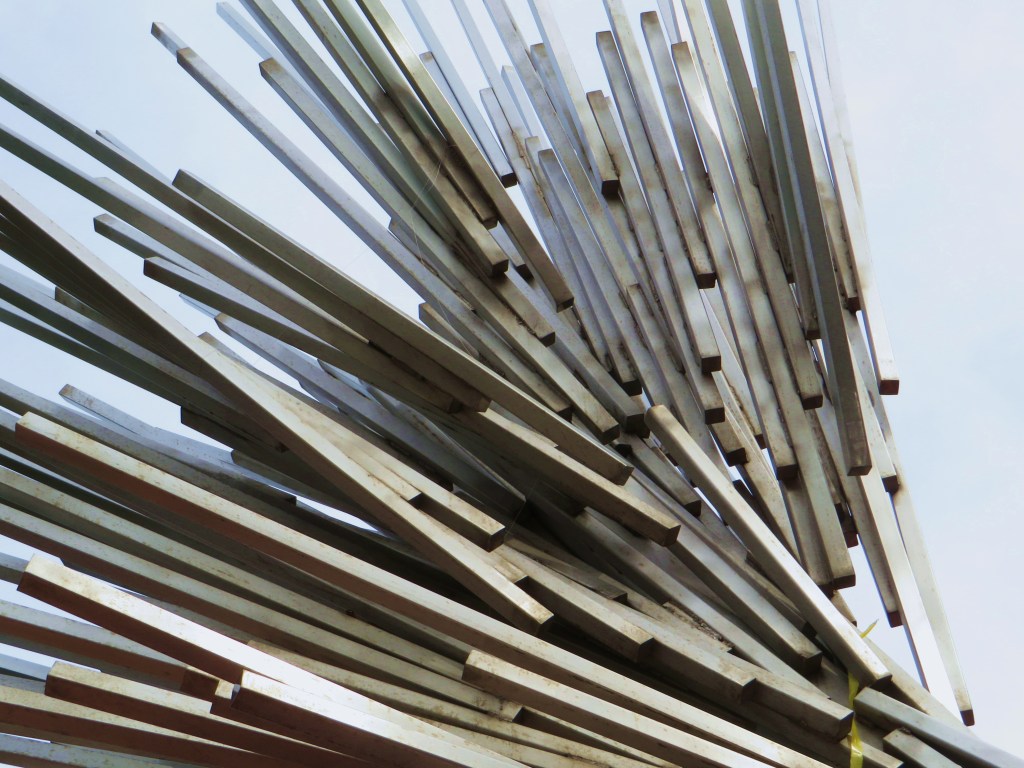
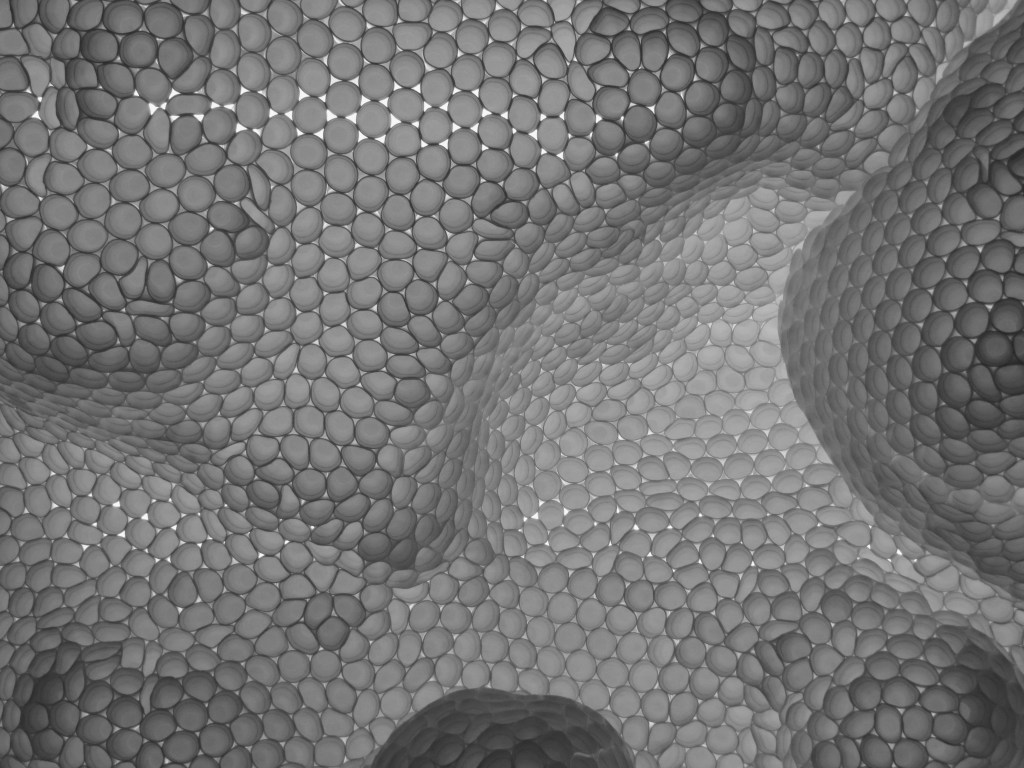
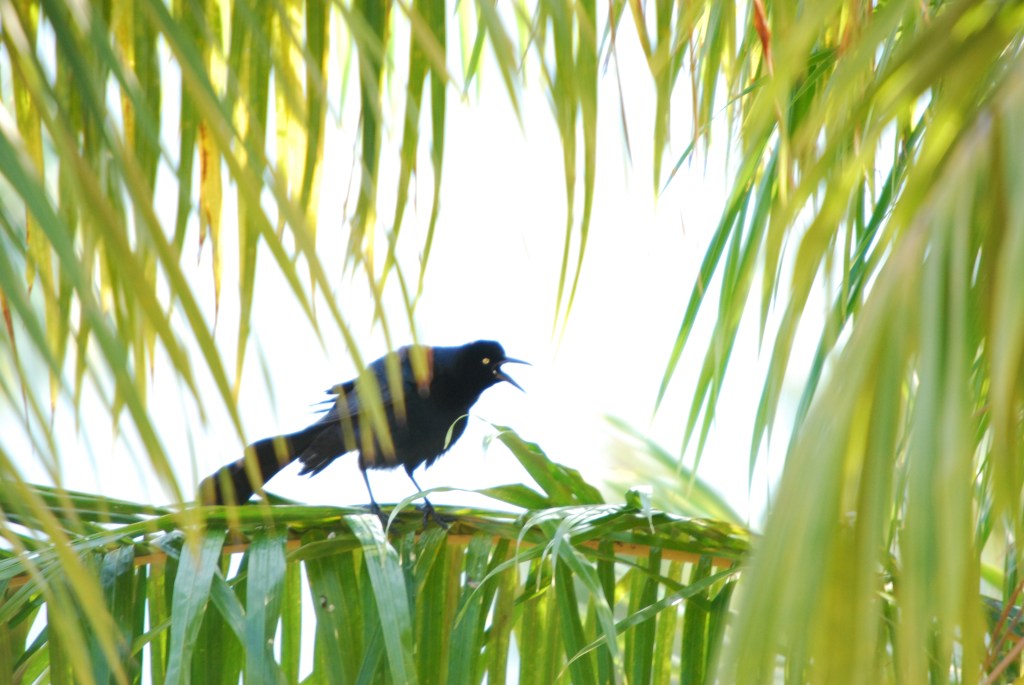
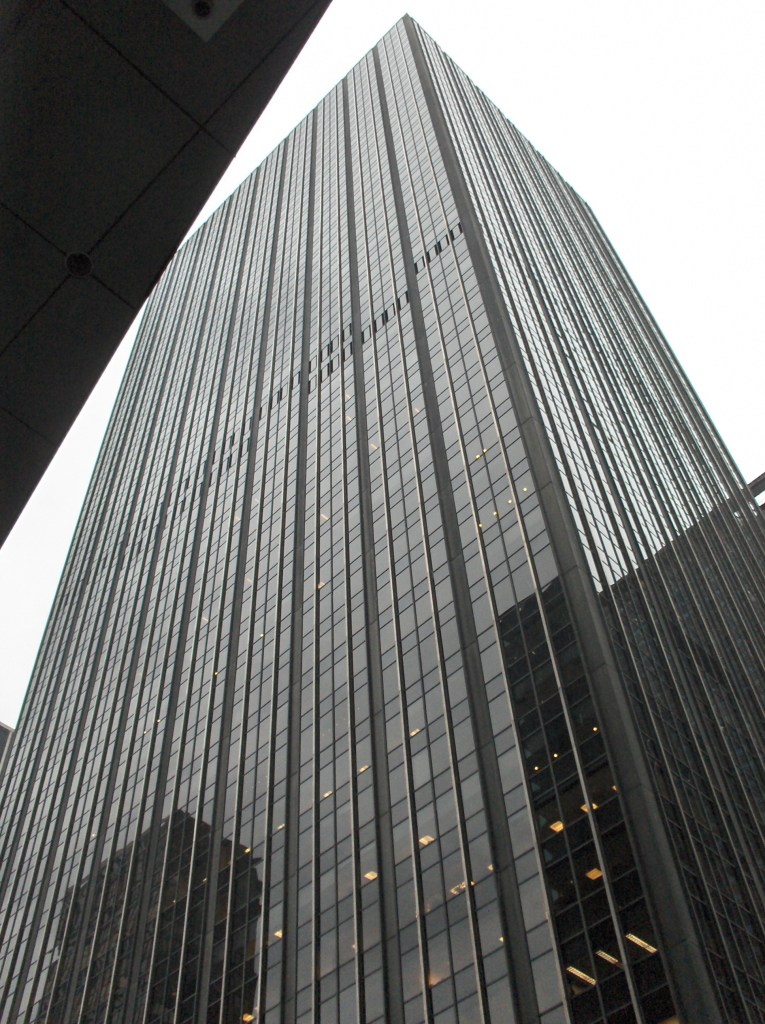
I point up at installation art, architecture, and intra-species imbroglios. I shoot high or down at the earth below my feet, excising external cues so viewers may have no idea what they are seeing, or how it fits into its surroundings. I shoot at reflected images which will never reappear in exactly the same light, color, or form.
The context is gone, so imagination can take over.
Ups and Downs
I’ve learned that sometimes, when the surf is so high it drowns out other sounds, and one is poised to click a shutter on another plebian midline Golden Ratio shot, I should pause. Look up and down.
I might find something only fleetingly present, and irreplaceable.
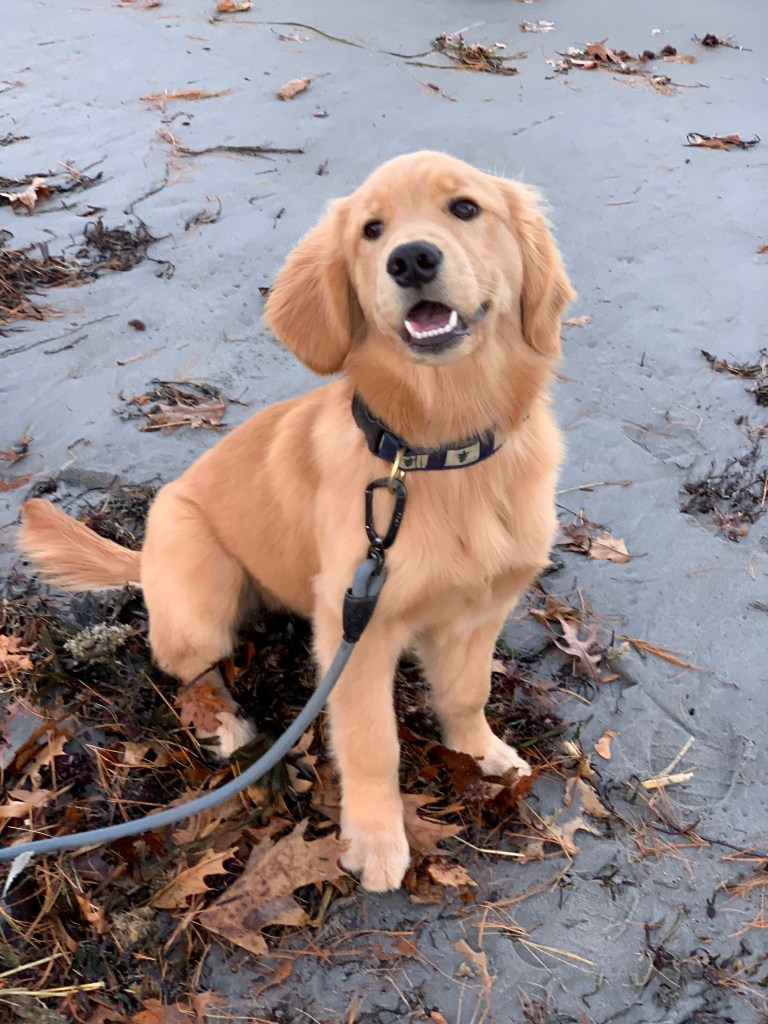
My new friend, Sophie the pup
You never know what may flash across the heavens, or have settled quietly at your feet.


















 Love in the Spaces