Fleeting Façades

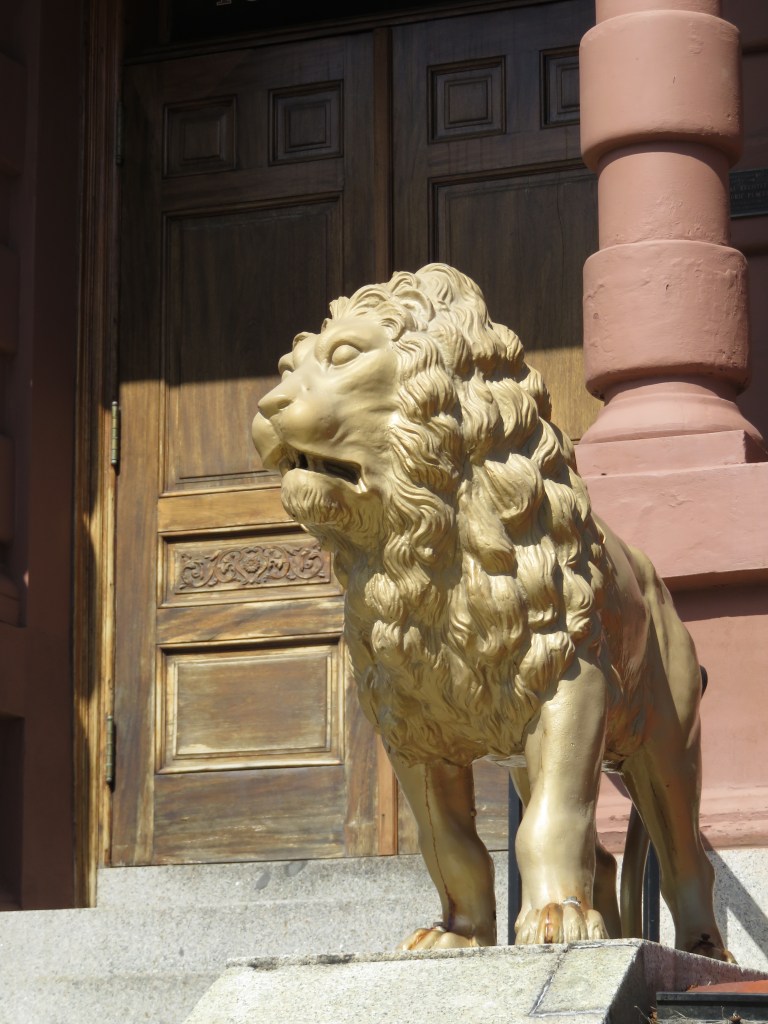
The lion or the lamb?

A façade sometimes bears little relationship to what, or whom, you will find beyond it.

(As has been underscored to me by more than one bitterly divorced friend, what you expect from what’s on display is not necessarily what you will find.)

I come from a generation of buttoned-up New Englanders and introverted first-generation Brooklyners. Putting aside childhood theatrics and the professional behavior necessitated in criminal courtrooms and other adversary situations, we tend to be back-benchers in social settings. We’re not temperamentally inclined towards public displays of any kind. I may be a lioness in court, but dissolve in tears when I am alone, missing people I love.

We’re more Eames than Baroque. My mother’s collages and paintings used clean lines and empty faces which viewers are free to fill in. My late husband filled a Federalist home with a truth-in-advertising interior of hand-hewn pine furniture that was Quaker-like in its simplicity. I moved from there to a much tinier Victorian house and outfitted it in mid-century Danish Modern. (It was, as they ironically say, a look.)

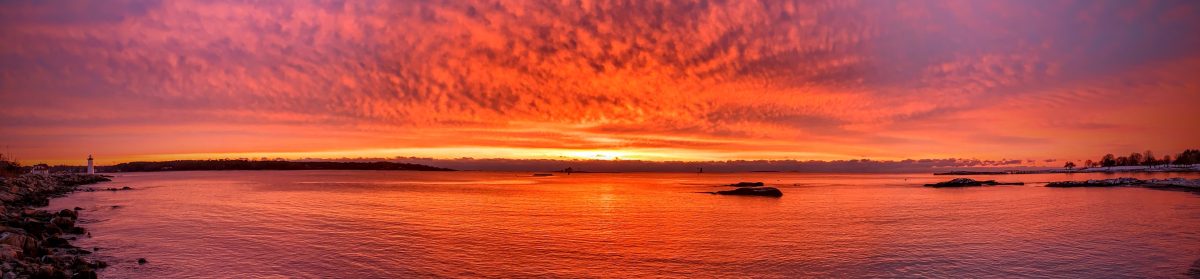
I leave the most raucous visual displays to nature. As one must.

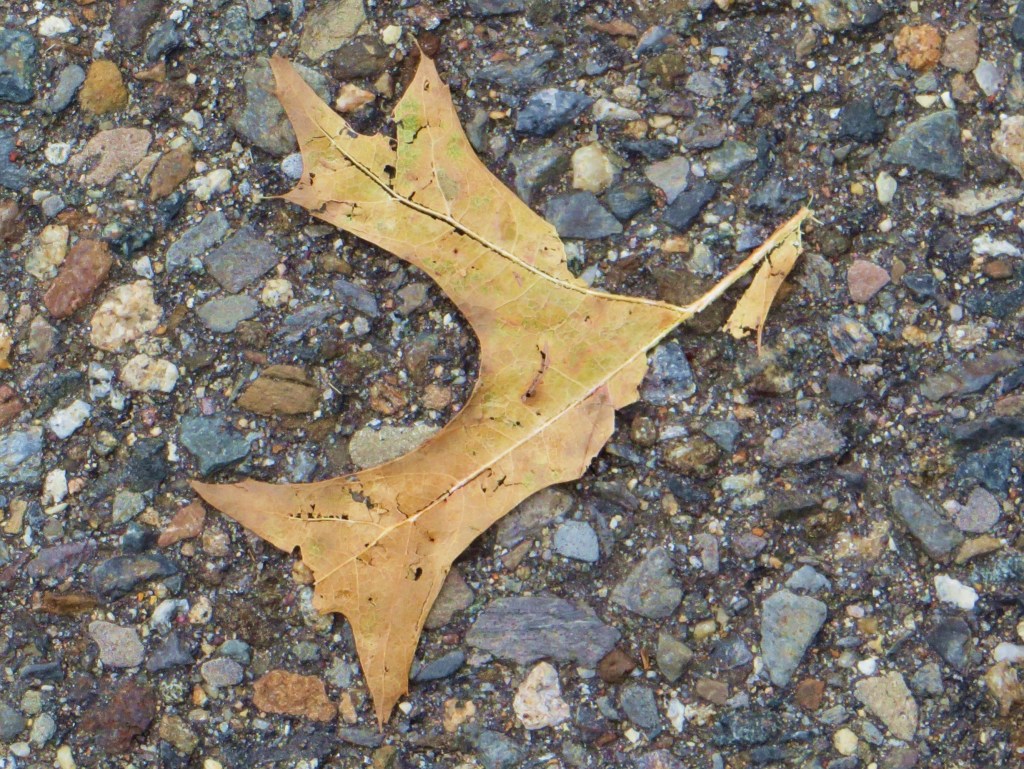
Between sunrise and sunset displays, I see nature showing off all around me. A Maple leaf crushed underfoot, transformed into an ascending dove A single bird perched in Jaiselmer, like its tethered twin in the exquisite miniature painting that hung on display in a New York Museum gallery in The Goldfinch.

I’ve realized only in reflecting about what I choose to exhibit that the photos which adorn my desk and wall are of discrete displays. Every day, I look at the series of black and white portraits arrayed at my eye level and see my children on the day my husband coaxed them into posing for a Mother’s Day gift. I feel my heart settle every time I see their faces, carrying me back to the old yellow house my husband loved when we were a family of six (not counting the beagles and their own occasionally unfortunate mischievous displays). When my husband was alive and we had no inkling anything was amiss.

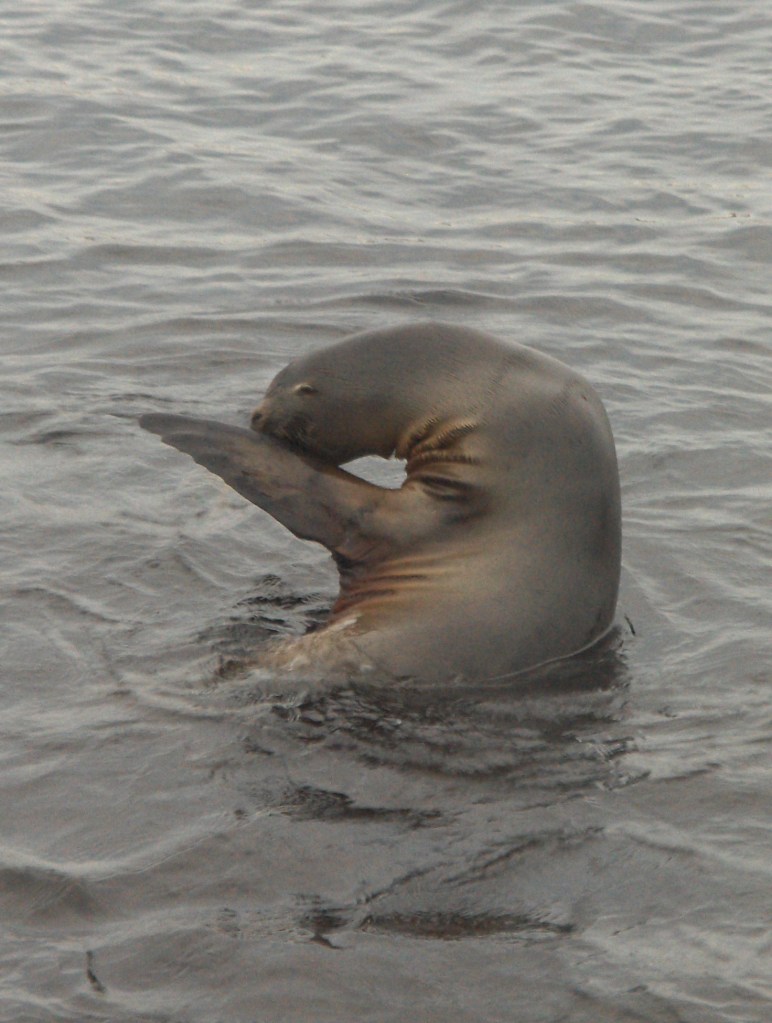
Nature continuously launches and reformulates its own displays. The outdoor photos my husband took and I’ve framed are of colorful performances among living creatures in their prime: a male frigate’s stunning (and successful) performance before a rapt audience of potential partners; scarlet macaws’ mating dance; magnificently armored molting reptiles making their rounds. A voguing sea lion. An icy silver heart lit by moonlight and delivered by high tide, displayed like a crown jewel on a black velvet beach in Iceland.

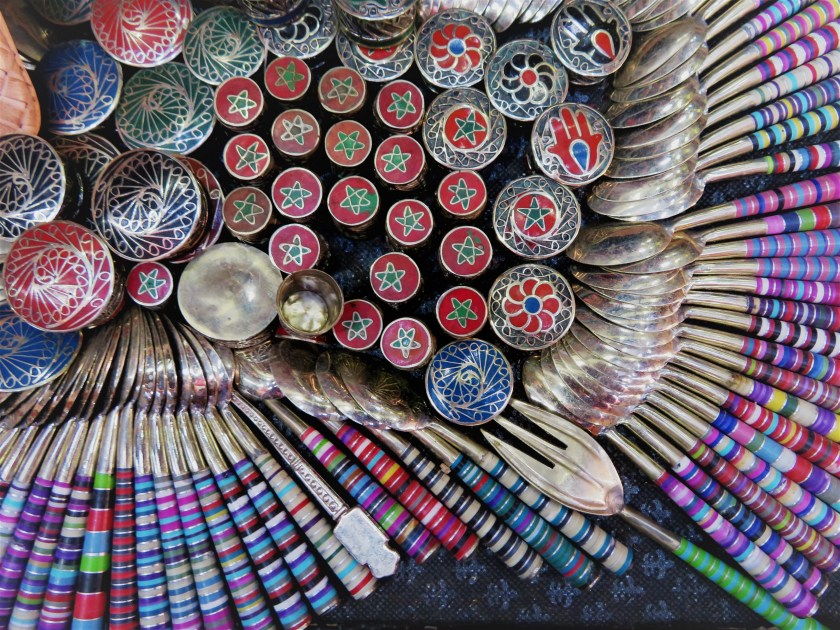
From the air, it seems like the Blue Planet itself is on display. Closer in, I’ve been struck by displays left by unseen human hands. Installation art in Boston and New York City. Wares and murals in Morocco. A single flower displayed against a silver New Hampshire pond. Birds positioning themselves within algae-slicked pier frames in Boston Harbor. A gathering storm beginning to show itself inland.

As with all art, capturing a display from whatever space I occupy in the world, and being able to share it, is both the privilege and essence of photography.

Love Lessons: A Marriage Manifesto

Overhead at the spot where we married, Memorial Church, Cambridge, Massachusetts

” . . . [T]here are three people in a marriage, there’s the woman, there’s the man, and there’s what I call the third person, the most important, the person who is composed of the man and woman together.”

–Jose Saramago, “All the Names”

” Because, you know, you and your spouse are, like, one.”

–Melissa Gorga, “Real Housewives of New Jersey”

I’d like to weigh in as a mom.  One with young daughters and sons.  The remaining member of a couple who lived out our wedding vows until–and in a way after–death us did part.

I believe in osmosis–the continuing two-way exchanges within a good marriage.  It’s not so much that one consciously molds or shapes a partner, but I think sustaining loving relationships let us incorporate the best parts of one another.

The person the two of you become can be a better human being than the people you once were.

(I refuse to link to an original mom “manifesto,” issued by, I am somewhat pained to say, a fellow alum who produced two sons.  She wrote an open letter–published in the school newspaper of the university her son then attended–exhorting the nubile female undergraduate population promptly to set about seizing husband material from the upper classes.  In a subsequent self promotional tour, she paused theatrically and announced, without benefit of a preceding question, “Yes, I went there.”  To which John Stewart responded, “Where?  The 1950s?”).

066
Wedding Flowers

I’ll spare you reading that screed and report that–while celebrating the supposed uber-marriagability of her sons and their male classmates–her clarion call to to other mothers’ daughters did not contain a single discussion of love, kindness, faith, grace, friendship, or anything like a commitment of souls for better and worse.

Your College Romantic Relationships, or Lack Thereof, Will Not Doom You.

Three Cheers . . .

First a disclaimer: I happen to have married a man I met when I was a teenage college student.  It was a statistical improbability that this relationship would last.

He broke up with me after nearly a year.

I didn’t take it all that well.

What he said, with some puzzlement at my surprise: “Did you think it would last forever?”

What he didn’t say, but what I read in his decision and discomfort: “You’re my first girlfriend.  We’re still teenagers.  Neither of us has any experience with a serious relationship.  How could this possibly survive?”

As it happened, he reconsidered.  And it did last forever.

Jim’s Closing Ceremonies took place in a church on a school campus, attended by multitudinous children and teenagers.  The Reverend commented on the beginning of our marriage.

“And don’t rush it, guys,” he told them. “But if you chance to meet someone at seventeen and think, ‘This is my life partner,’ know that sometimes it works.”

The key word here is chance.  Happenstance.  Serendipity caused us to meet.  A confluence of love and hope and compatibility, as well as innumerable concrete events we did not control, led us to marry.

Absent any of these whispers from the wings, Jim could have been to me and I could have been to him, as Greg Brown put it, “just another face in the crowd.”

Had any number of other choices been made in either of our lives, no doubt we would have had other relationships and become very different people.  But I guarantee that the quality of the marriage wasn’t influenced by us attending the same college.

If my own children one day emerge in their adult lives with partners they had in college, then great.  And if not, great.  I will never subscribe to, let alone ply, the misguided notion that a “name” school is necessarily the ideal breeding ground for . . . well, finding someone with whom to breed.

I do believe that everywhere my children have gone and will go–from the playgrounds where they ephemerally encountered fellow littles (hat tip to E.  Lockhart)  to the coffee shops they may frequent; from the bands, dance troupes, trivia nights and game boards where they gather to the far-flung countries where they are immersed in different languages and cultures–is a way to learn how to love and value other people.

If romantic love comes to town along with that, fine.  And if not–as any widow or widower can tell you–that’s not all there is.

The capacity to love, wherever you found it, endures. Continue reading “Love Lessons: A Marriage Manifesto”