I Walk the Line

Above and Below the Line

There’s a certain thrill in clenching a fist at a poker table, before opening it to reveal one chip, two chips, or an empty hand.

Are you betting against the high hands or the low hands? Or are you betting it all on winning both by extracting five of seven cards for the high and a different group of five for the lowest low?

Will you take the whole pot, or nothing?

The possible highs and lows are limited by face-down cards you have not seen, and there’s no reward for anything in-between.

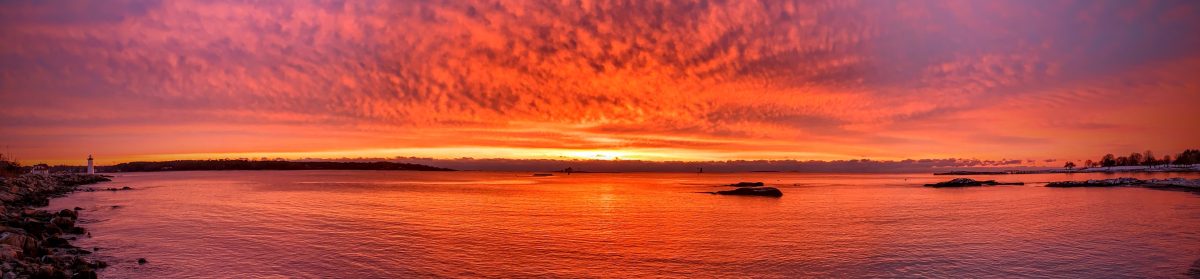
Wherever I’ve found myself in the world, my camera has been poised for the landscape shot. Extended into a panorama, my phone camera actively protests if I do not continuously anchor my shot at the exact midline of whatever’s before me.

The line where there is no up and no down, but just a steady line from West to East.

Unlike a photographic ouvre as a whole, the highs and lows are in strict, symmetrical equipoise.

I frequently focus on the horizon, the great midpoint of the view from a pint-sized human’s inconsequential height.

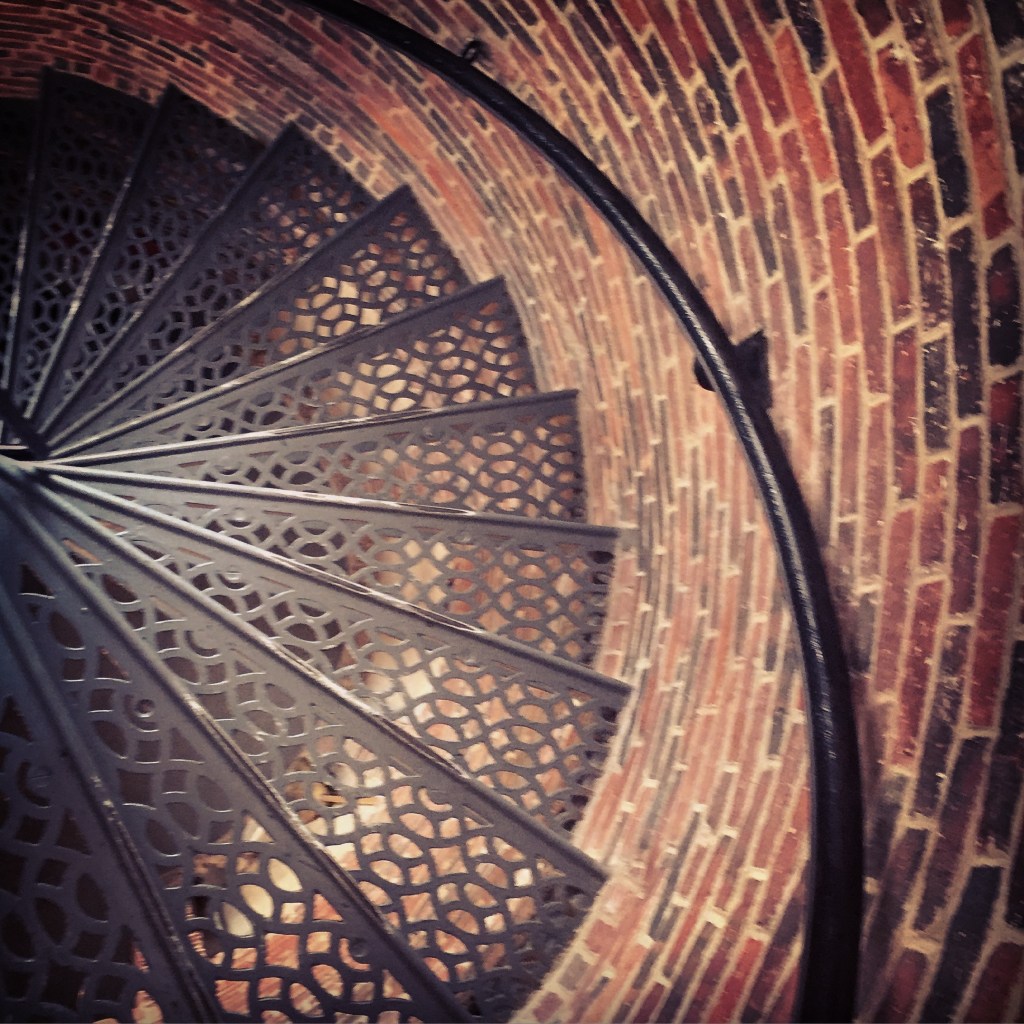
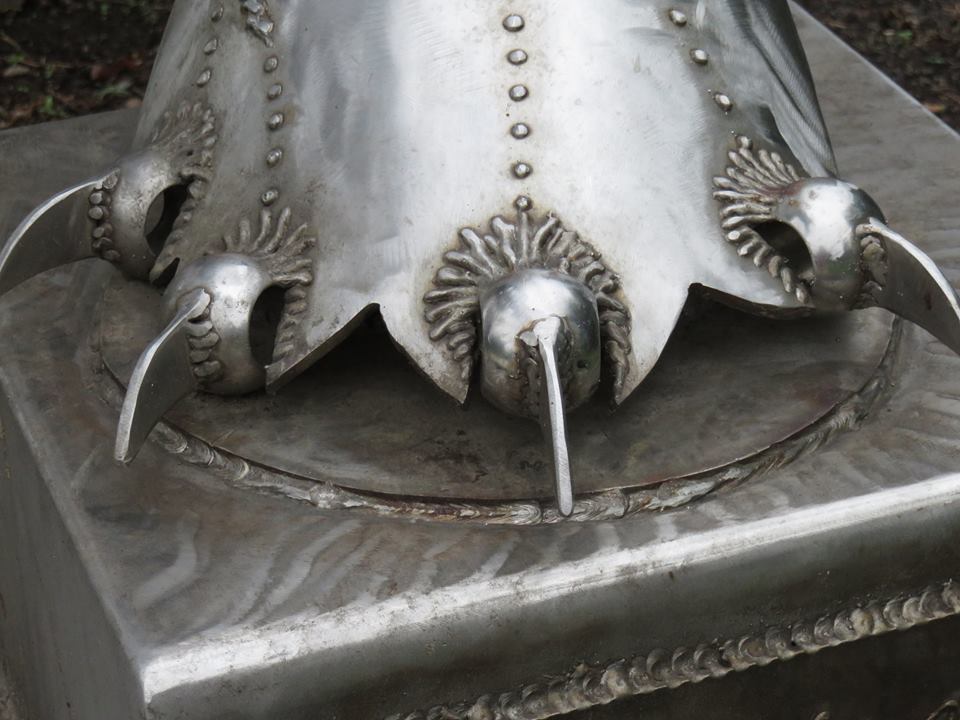
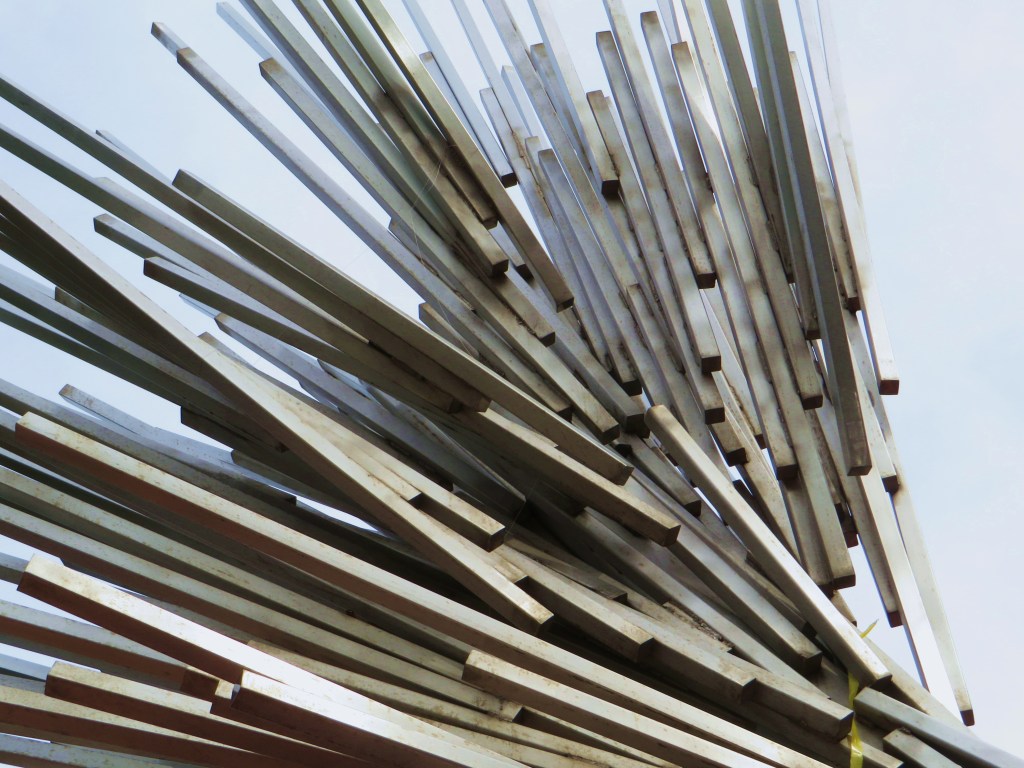
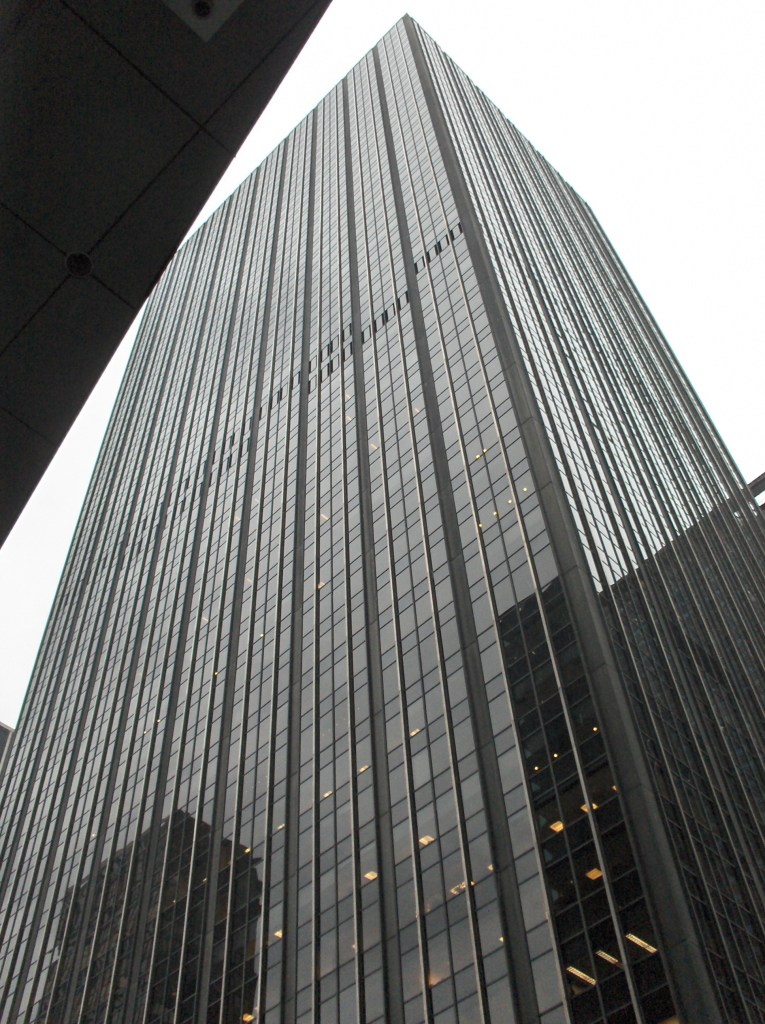
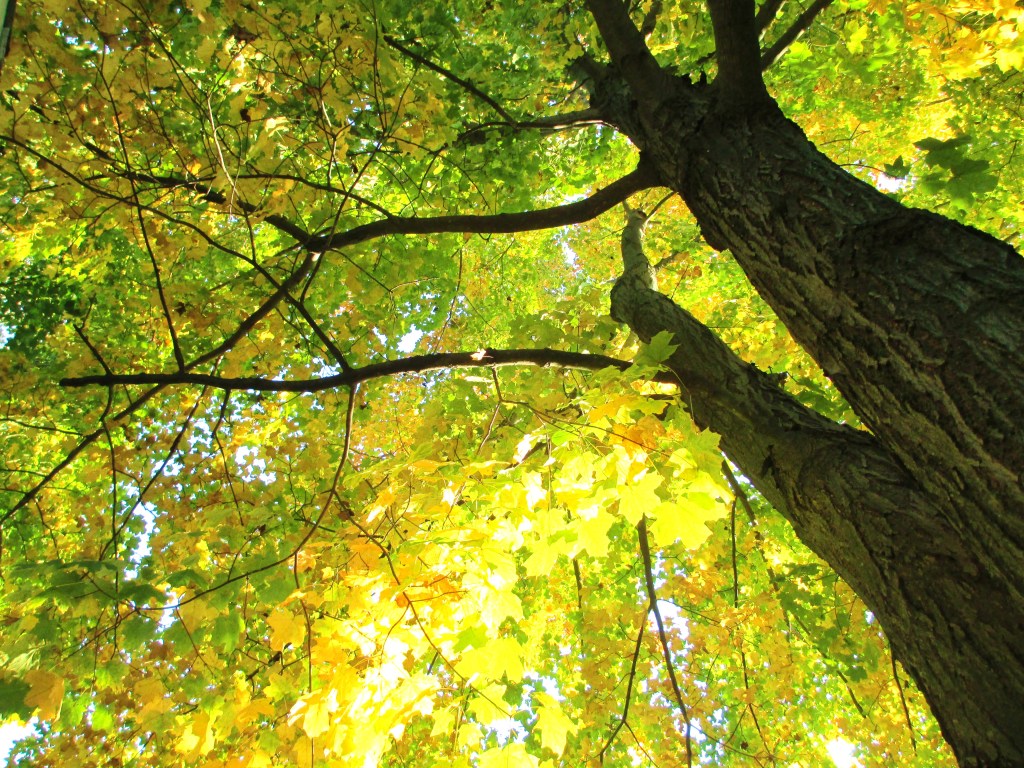
But sometimes I change it up. I climb a bridge or a mountain. A Hellcat tower or an Icelandic cliff. I fling myself underneath a giant spider sculpture and look up at various angles. I wade into the ocean or across a muddy bog.

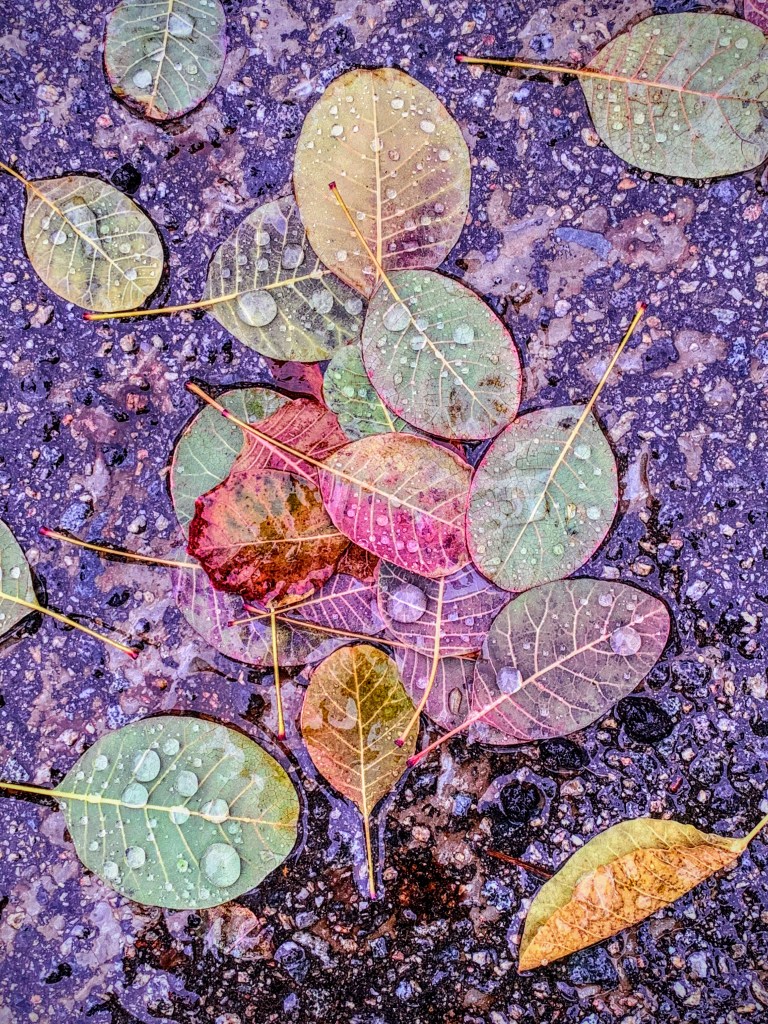
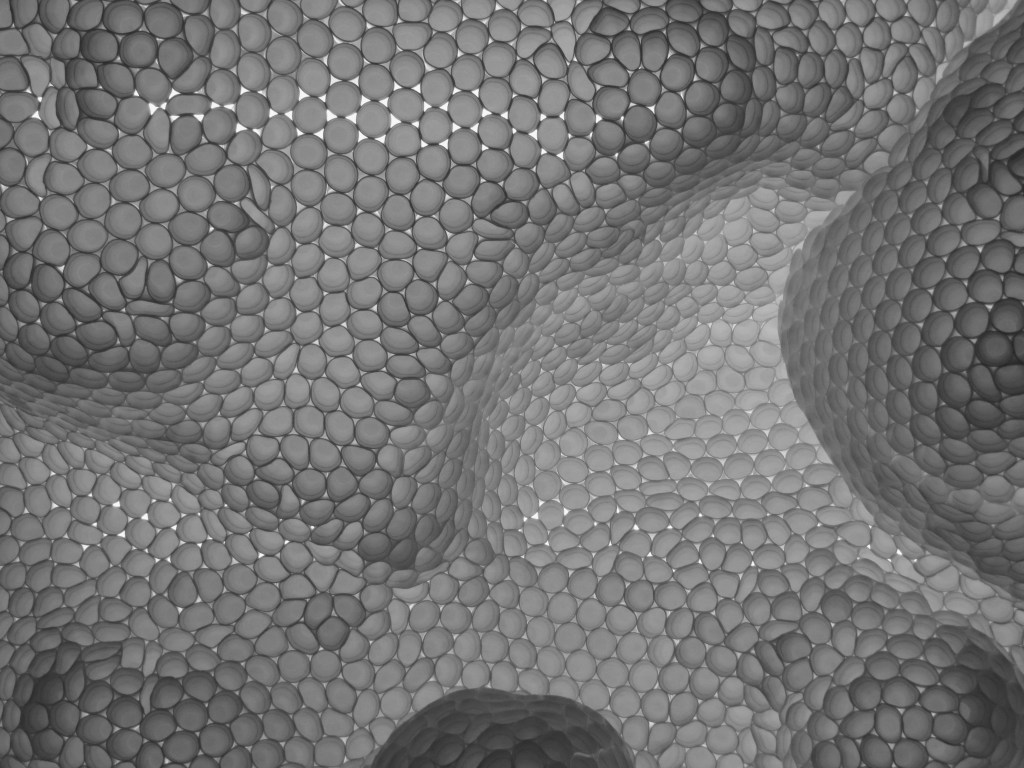
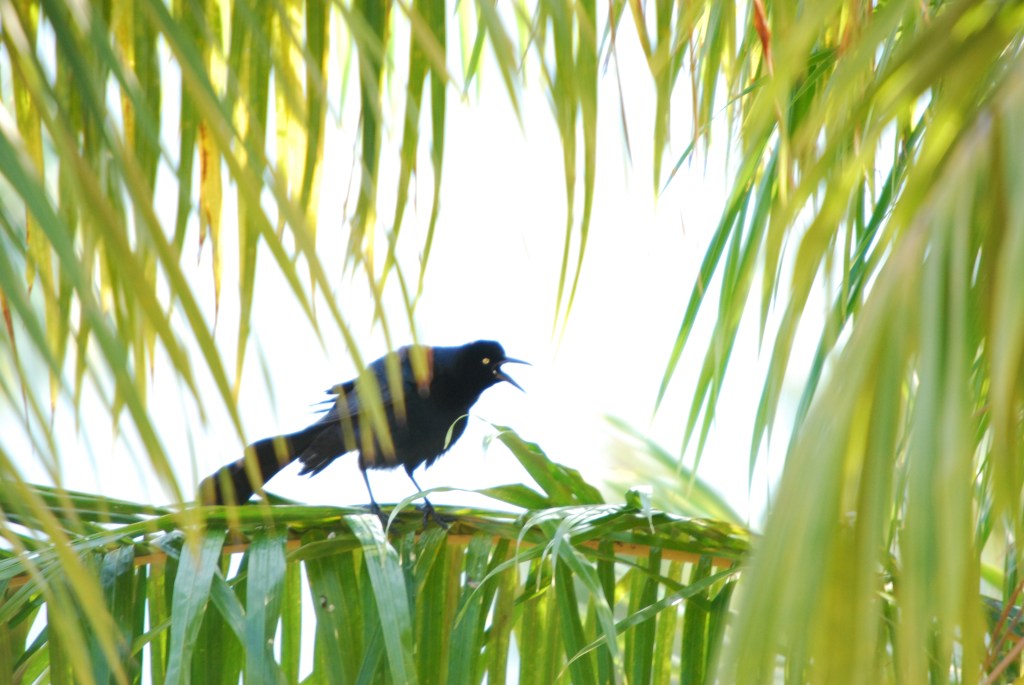
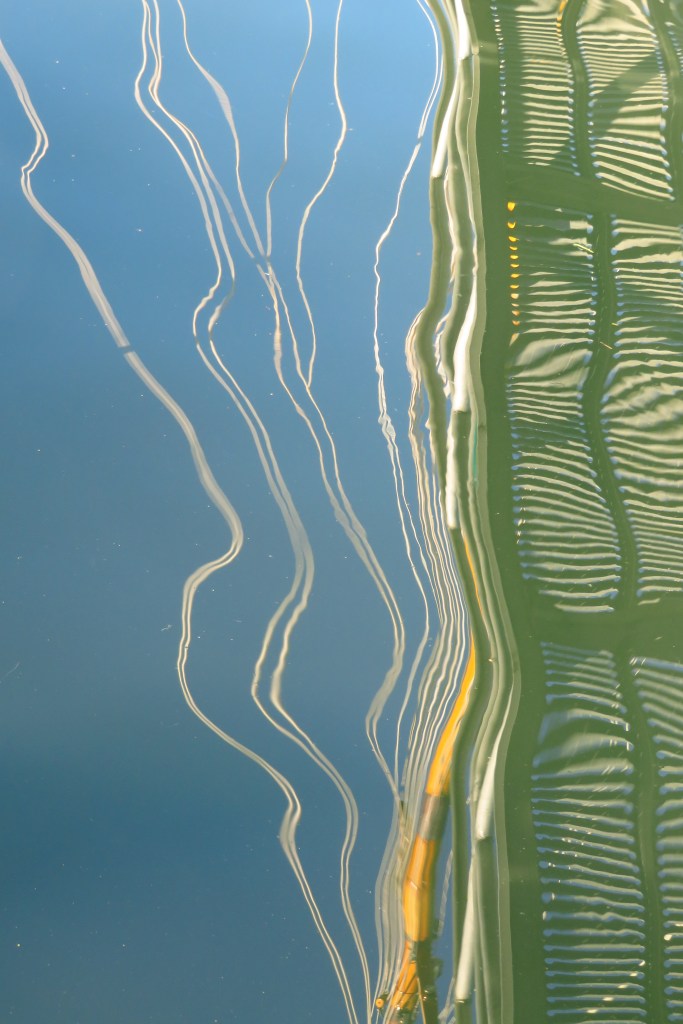
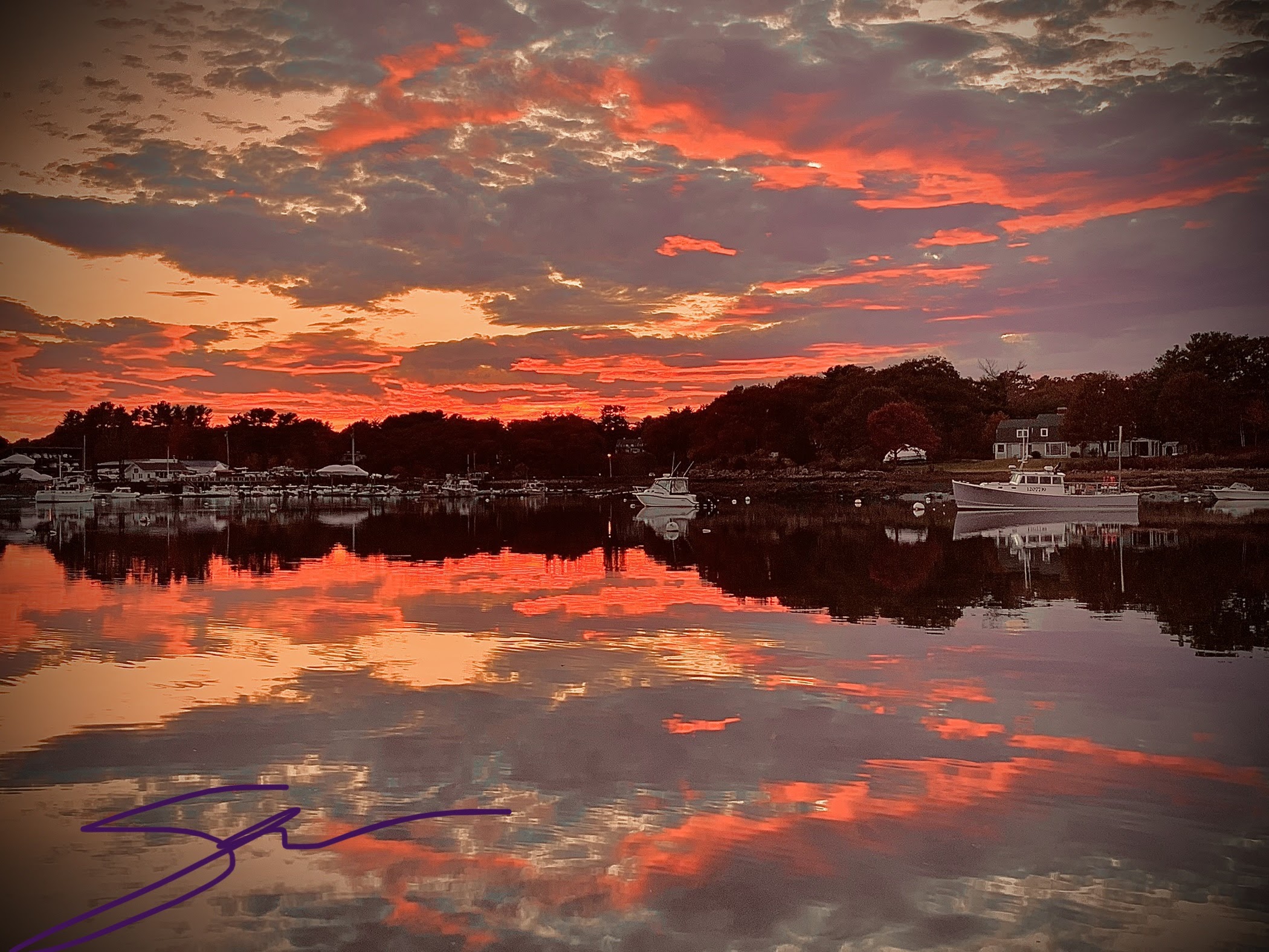
I point up at installation art, architecture, and intra-species imbroglios. I shoot high or down at the earth below my feet, excising external cues so viewers may have no idea what they are seeing, or how it fits into its surroundings. I shoot at reflected images which will never reappear in exactly the same light, color, or form.

The context is gone, so imagination can take over.

I’ve learned that sometimes, when the surf is so high it drowns out other sounds, and one is poised to click a shutter on another plebian midline Golden Ratio shot, I should pause. Look up and down.

I might find something only fleetingly present, and irreplaceable.

My new friend, Sophie the pup

You never know what may flash across the heavens, or have settled quietly at your feet.

The Artist’s Frame

I confess.

This little fellow’s been framed.

Not in the sense in which that characterization is made in my line of work, but in many other ways. Framed so he seems to pop out in bas-relief against a cloudless powder blue sky. His vivid, sharp-edged wintry colors seem to propel him towards the viewer as he bows away from a filmy floral bokeh. On closer inspection, one frond has broken clean through at its elbow: another hint of the season.

He’s frozen in time and space by a rectangle of sky so constrictive that he appears to be craning against and breaking free of its confines. Looking inquisitively down and out of the frame in which he was forever captured.

Only I can tell you who was on tip-toes on a Maine oceanside path on that long-ago morning. Chin tilted up to return this wee Flying Wallenda’s side-eyed glance as he balanced on a crimson frond.

My fingers were so cold they felt welded to my camera. My winter shots tend to be far sparer than the unending rectangular frames which entomb other seasons’ scenes.

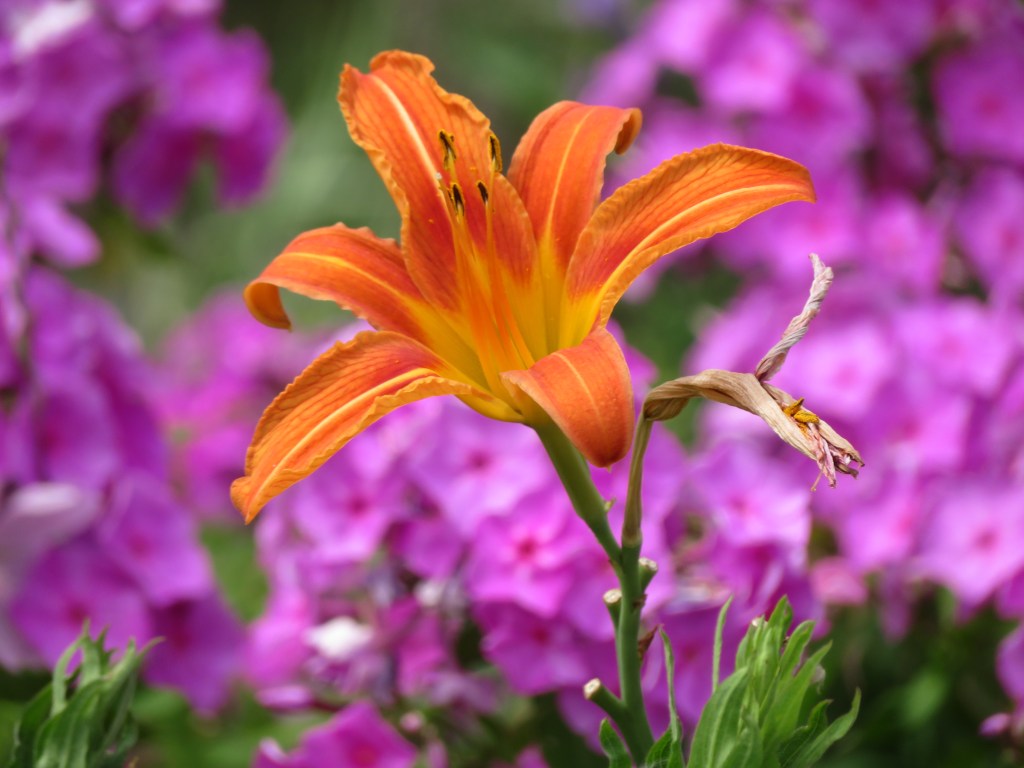
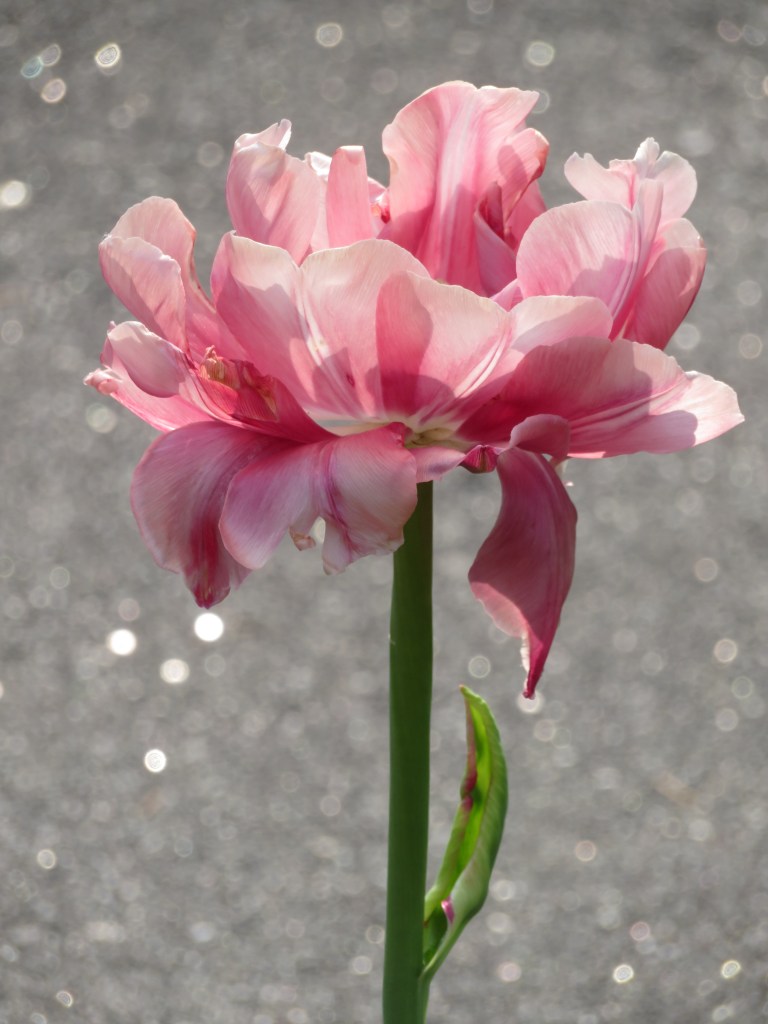
In every season, each image’s framing allows viewers to fill in the blanks, based on contextual clues. These may be as concrete as deducing the months in which a given bloom is likely to erupt and flourish in New England. Or as abstract as interpreting a wavering pattern reflected in slightly rippled water on a cloudless day.

Strangely, I’ve written about absent lens artists’ frames more than once before:

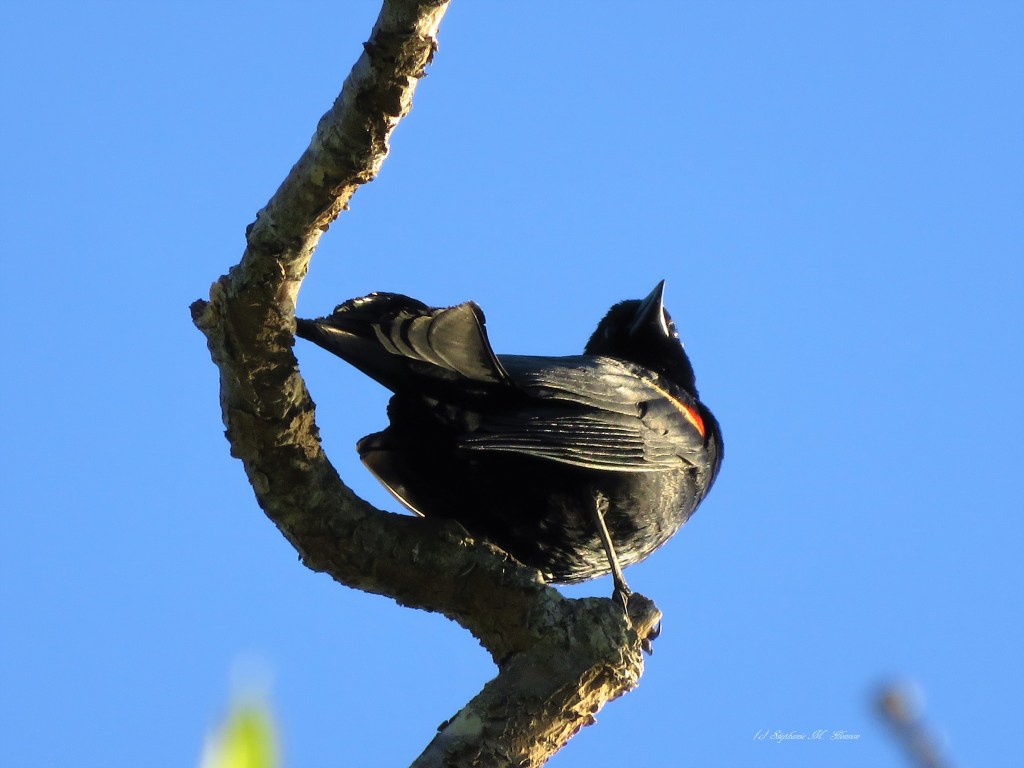
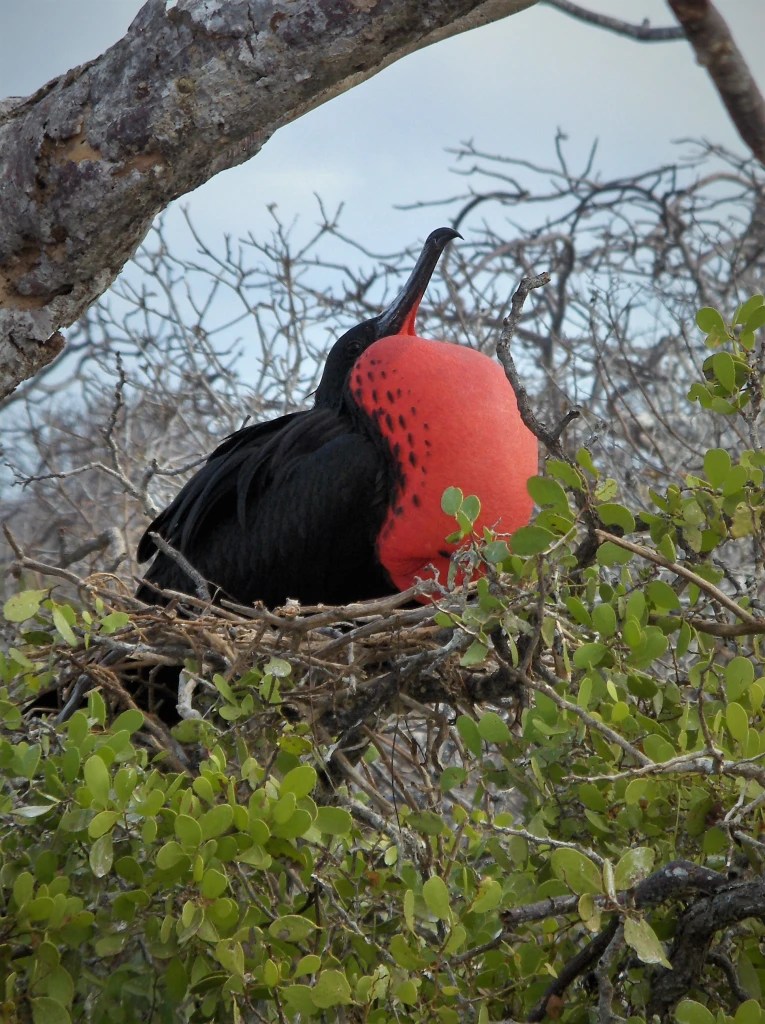
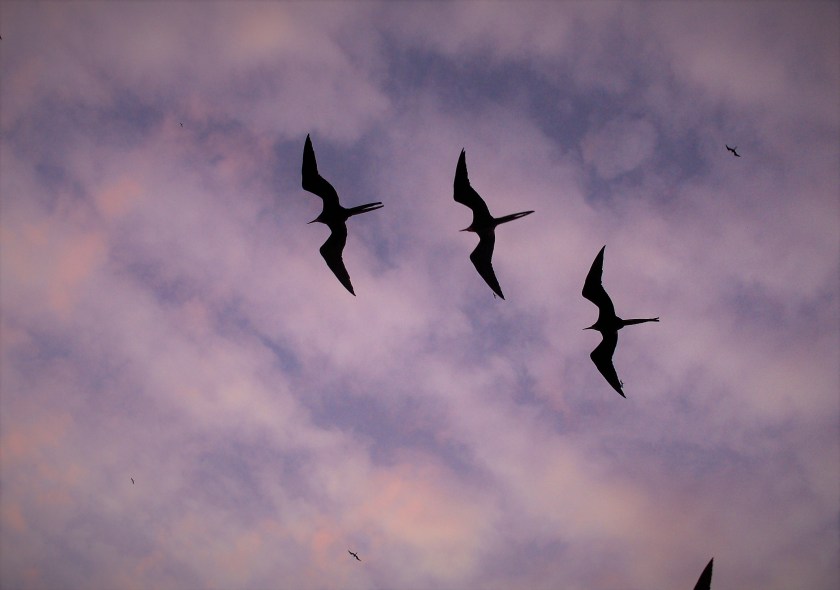
Both within and outside the frames [my husband] Jim created each time he sparingly clicked his camera’s shutter, there was love. This was not anthropomorphism–although the scene as female frigates gathered around a scarlet-throated male echoed what I understand to be the premise of a reality show involving the distribution of a limited number of roses.

Inside each frame is something Jim loved and preserved about his window on this world: its brilliant colors and creatures, plants and geological formations, and the spectacular beauty of sights he had never seen before and never would again–at least from this earthly vantage point–on all that grows and erodes and decays and grows again around us.

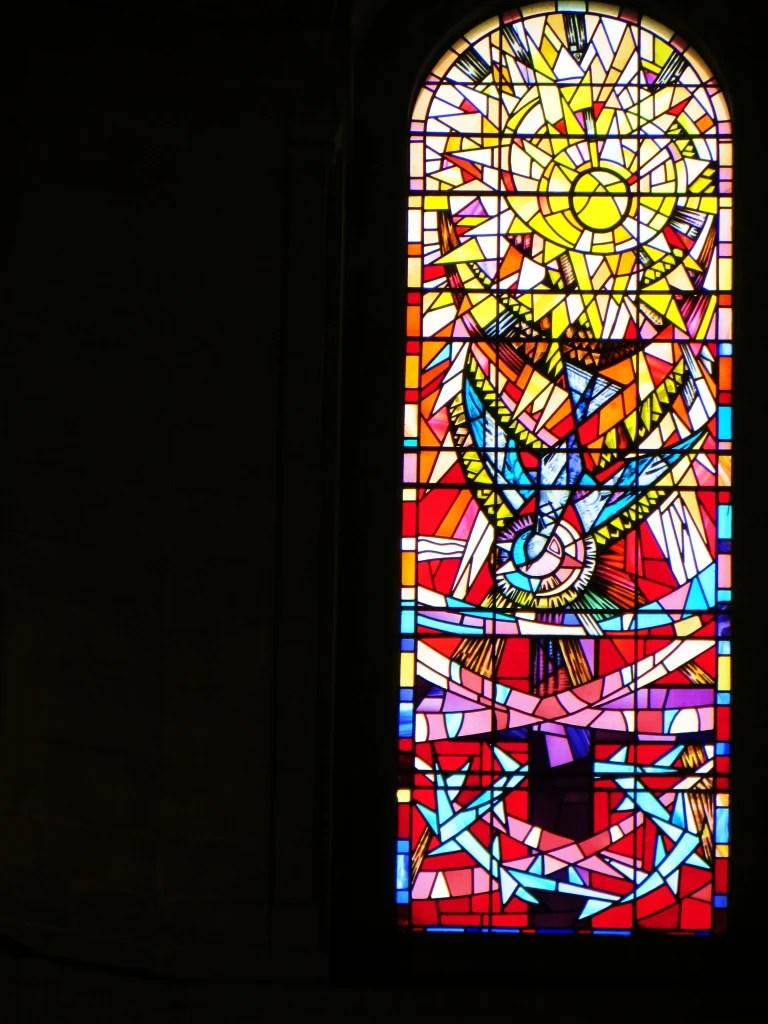
On the other side of the lens was a man relishing everything about a trip he knew would be his last, with the family he loved and will forever love him. Each of his photos can transport us back to the warmth of that sun, the sounds of sea lions, the feeling of being able to reach out and touch his arm or the back of his shirt as he found himself among winged and earthbound creatures near the end of the visible world and his time in it.

The artist’s frame allows the viewer to recapture the world it holds. It also allows us to see the artist outside of each preserved moment, whether capturing something real or imagined, aspirational, or merely magical . . . .

Art travels in time, sometimes even more readily than we do.

The Company of Ghosts

My winter bird, like my husband’s winter dove and frigates in another hemisphere, surely is long gone in traditional corporeal (and photographable) form. Parca’s creaking scissors have been wielded mercilessly since then. Glorious flighted birds are now pining for the fjords. They’re off the twig, having joined “the bleedin’ choir invisible.”

But he’s also still framed here for you to see and imagine this once present soul, engaging with another being on an icy winter morning.

In the penultimate scene of a five-season show centered on a family mortuary (avert your eyes if you don’t want a spoiler), an artistic daughter takes a photo of older family members seeing her off as she leaves home for the opposite coast. She is a true photographer, and is deliberate in what she seeks to capture in each frame.

Her older brother appears at her side, from his side of the veil, and gently tells her: “You can’t take a picture of this. It’s already gone.”

And it is.

But it’s also still with her, and anyone who truly studies the way she filled her frame.

Balancing Acts

I’ve always thought of asymmetry as unstable, and occasionally unsettling. Slightly to dizzyingly off-kilter, like the horizon in an unadjusted quick shot with frozen fingers in sub-zero air. The opposite of symmetrical.

I’m reconsidering that in light of an invitation to consider asymmetry not as imbalanced, but as a different and more complicated kind of balance: “two differing sides that balance each other out.

Not unlike a second reader, or compatible beagles, or a loving marriage. Asymmetry that brings out the best in both sides.

I may look past a vaguely queasy horizon line, and instead focus on a rocky outcropping turned midnight black to set off a riotously colorful sunrise. The opaque velvet that complements jewels, deepening their use of light to enhance their dazzlingly reflected and refracted cores.

Beneficent balance.

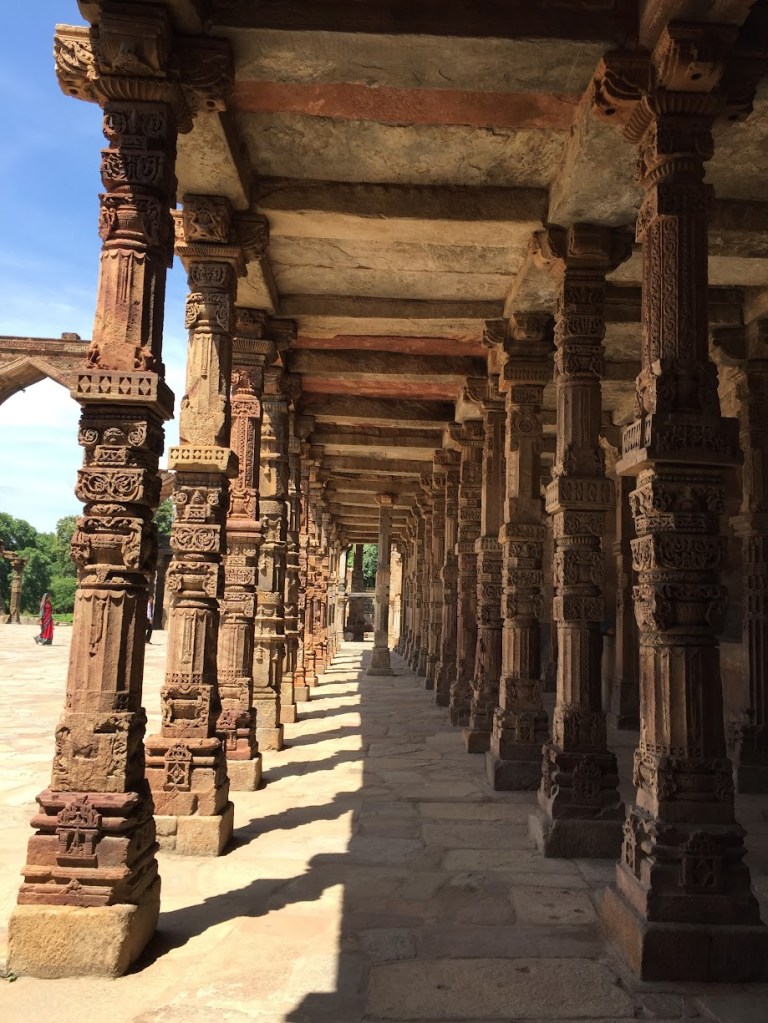
We may find glorious asymmetry over time and space, too–wherever the living and breathing now walk or touch down along (or grow nearby) the paths of beings who occupied them in the sometimes very distant past.

Sometimes the balance shifts. The past is restored or renewed and the present fades by shades into the background.

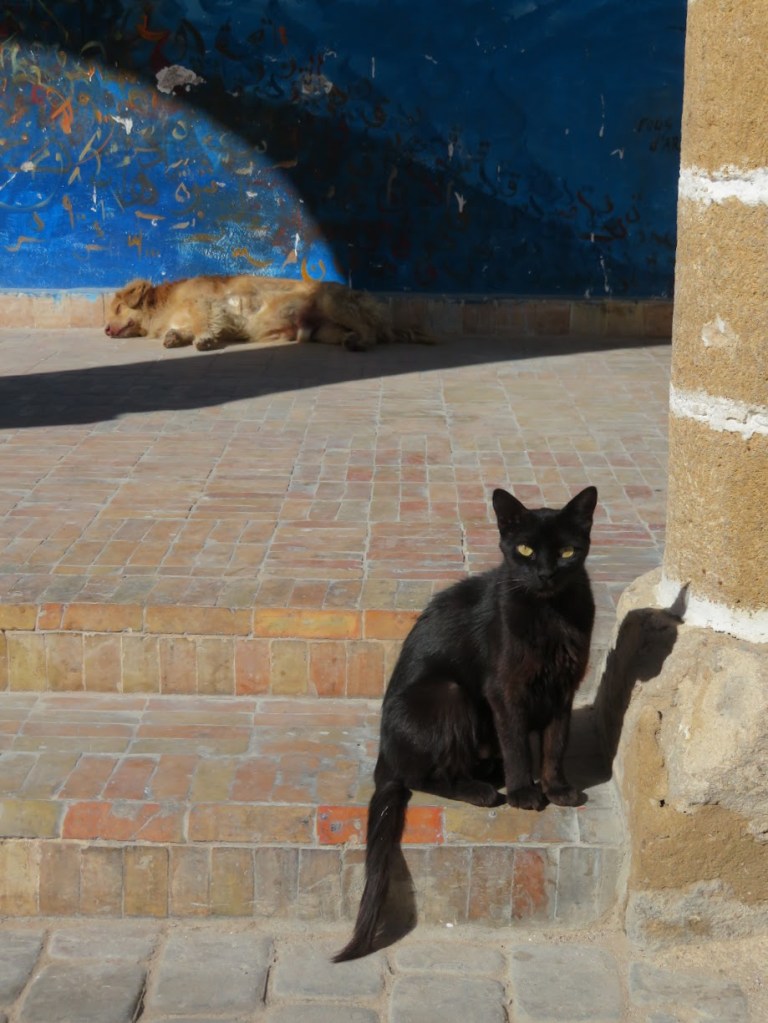
Old Ironsides, rebuilt and docked in Boston Harbor, where the setting sun blankets the city skyline it obscures. An ancient Spanish Galleon docked within a cobblestone’s throw of a Starbucks housed in an old Captain’s House on Massachusetts’ North Shore. A 19th Century carved Eagle freshened with gold leaf overlooking 21st Century Halloween crowds in Salem. Modern wares for sale in an ancient markets in Fez and Marrakesh. Winding Torii gates in Kyoto, where tourists look up into ancient bamboo forests that seem to converge at a point miles above them.

A single image may involve quite a few balancing acts. Day melting into night. Blazing and muted colors, both reducing to black. Budding and emptying, upright and bowed, fall and winter.

Past and present.

Mountain trials echoing with once-solid weighted steps are now carried with us as we climb alone.

It can be a delicate balance.

Simpatico Symmetry

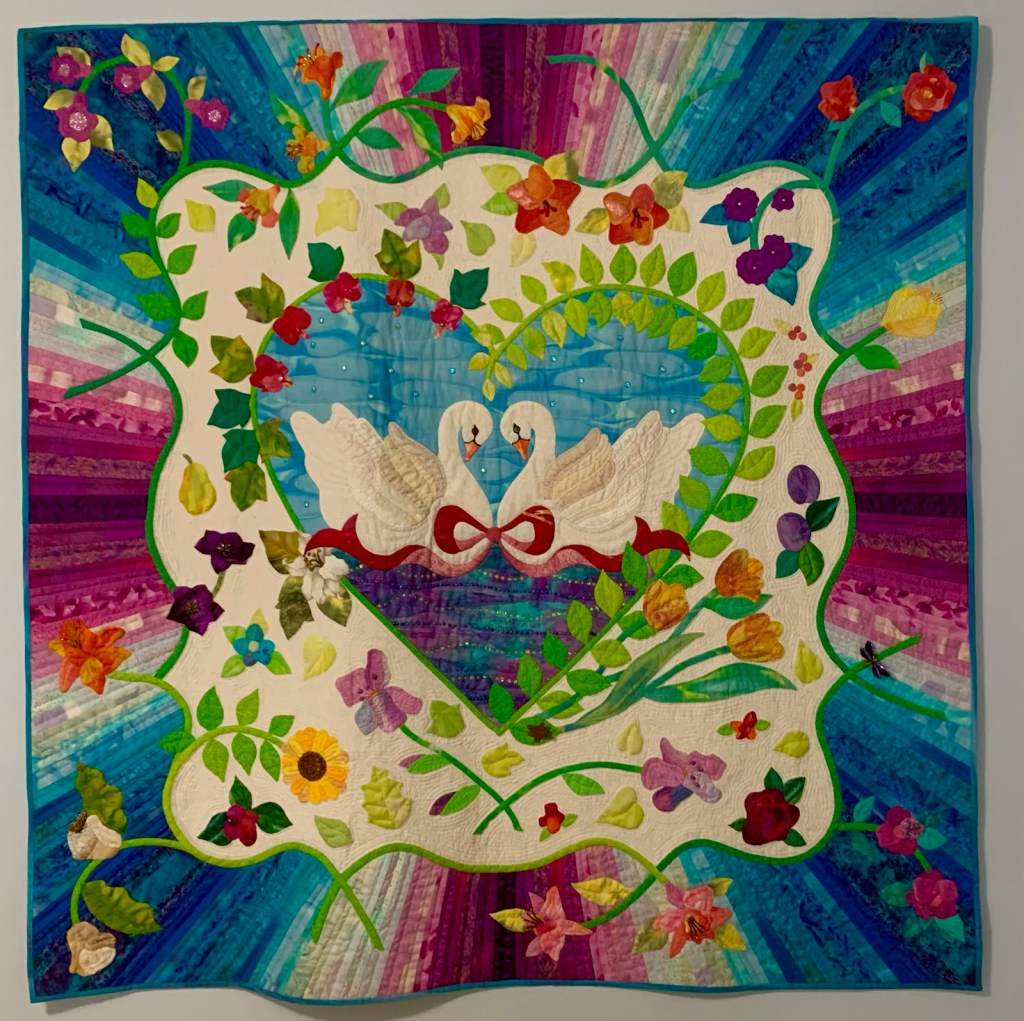
Simpatico swans/gliding in symmetry/ tend to stay afloat.

You’ll forgive me, I hope. My brain’s lately been stuck

in meter and pace

and by sheer dumb luck.

At Salem’s Peabody Essex museum

(near spirits galore; some claim they can see ’em)

radiant symmetry sometimes can be found

in mirrored strips tented high above ground.

If one takes a step back–

from a whole, duo, or pack–

then a snap taken off-kilter,

may reveal symmetries, with nary a filter.

Finally, if you’ve stopped here before….

You know my go-to mainstay

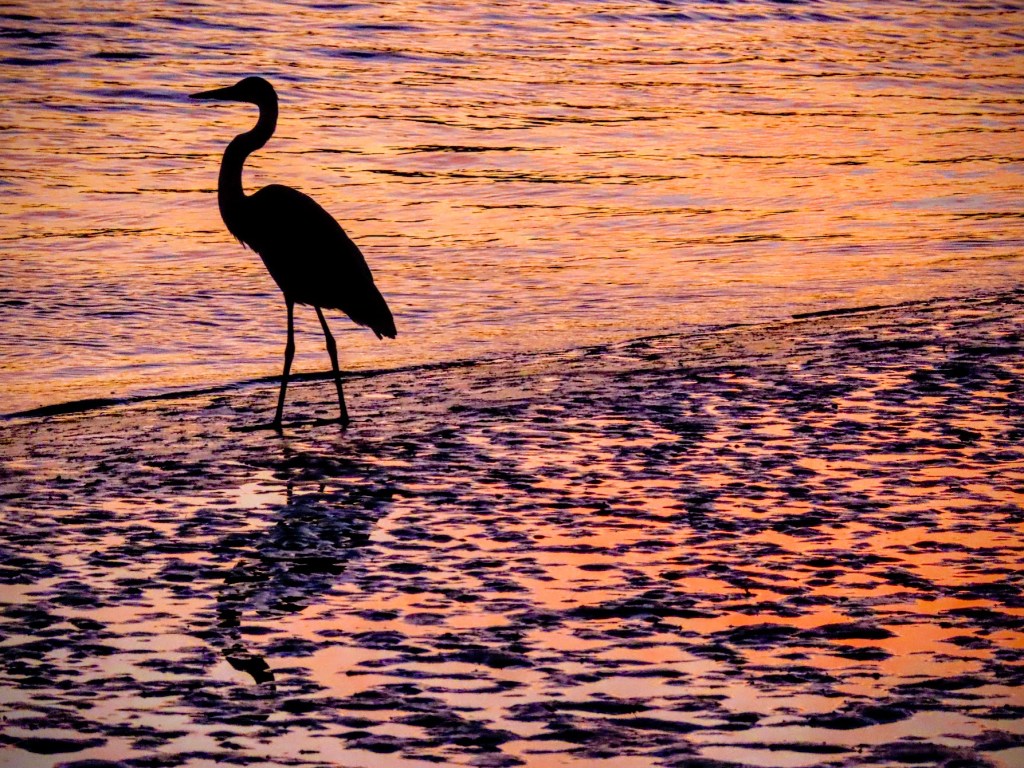
is symmetrical reflections at the remains of a day.