Each snippet of the past is shaped by contrast. Then and now. Before and during and after. The light that was and the light we now see. The place where we stood, the air we breathed, the living and the dead.
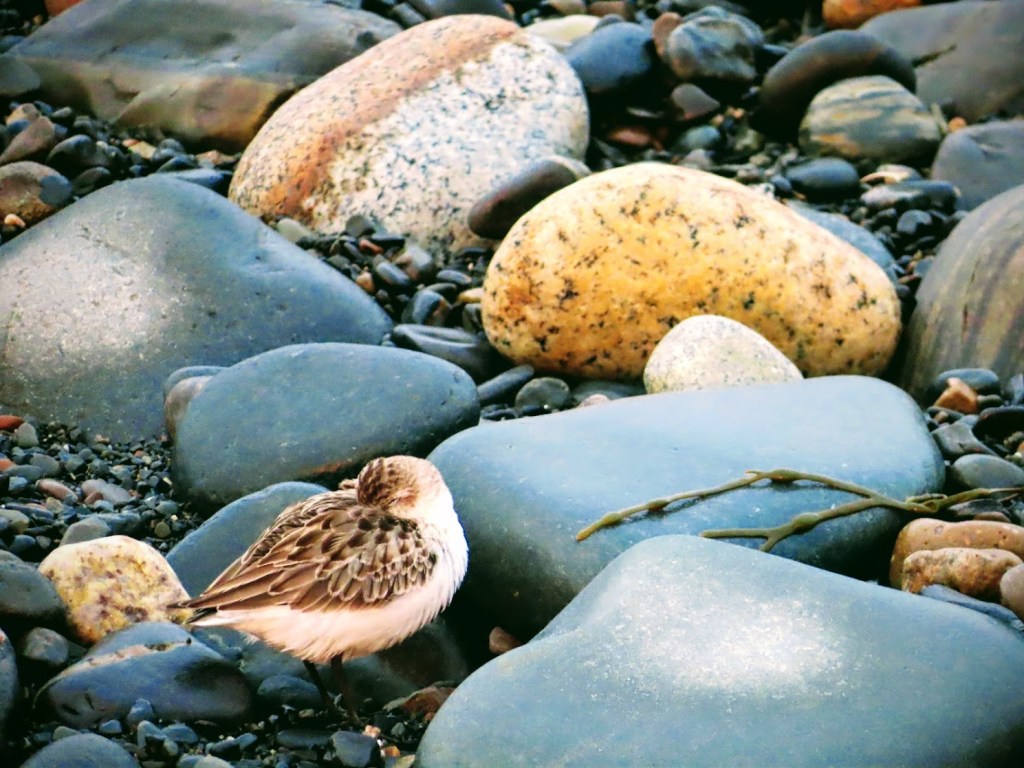
When I took the above photo, I was struck by the near-perfect parallel positions of an eternal rock and a juvenile Plover (who may have been preening or its opposite, hiding from relatively giant petite me). They shared cream undersides and identically angled topcoats of variegated rust and oak.
A single sentient being and an eternally evolving rocky shore, perfectly positioned together in the millisecond I captured them.
And each photo I take represents another contrast: I am both outside and in my own head, here today and somewhere in the past.
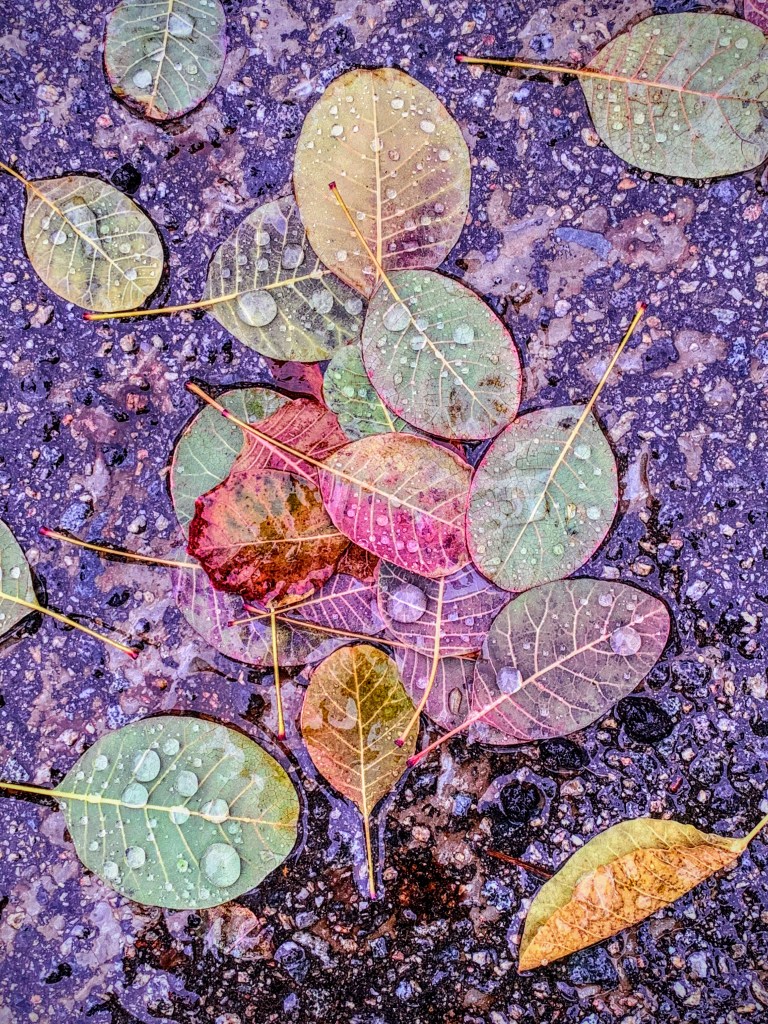
In a single image you may find opaque and transparant, solid and liquid, shallow and deep. Man-made and nature-born. Straight lines turned to wavering reflections. Black and unbound color. Earth and fire and water and sky. Day and night.
Earthly and ethereal. Prickly and soft: an adorable peril. Black and white.
Oil and water. Aloft and anchored. Vibrant and fading.
Liquid and solid. Water and ice. Trapped and free, by degrees.
An unfinished panorama my husband had been piecing together
Finished and unfinished. Work and play. Practice and perfection. Hits and misses. Monsters and men. On and off base.
It can mean unmoored, which has a negative cast. A seacraft untethered and adrift. People disconnected from the beings and world around them.
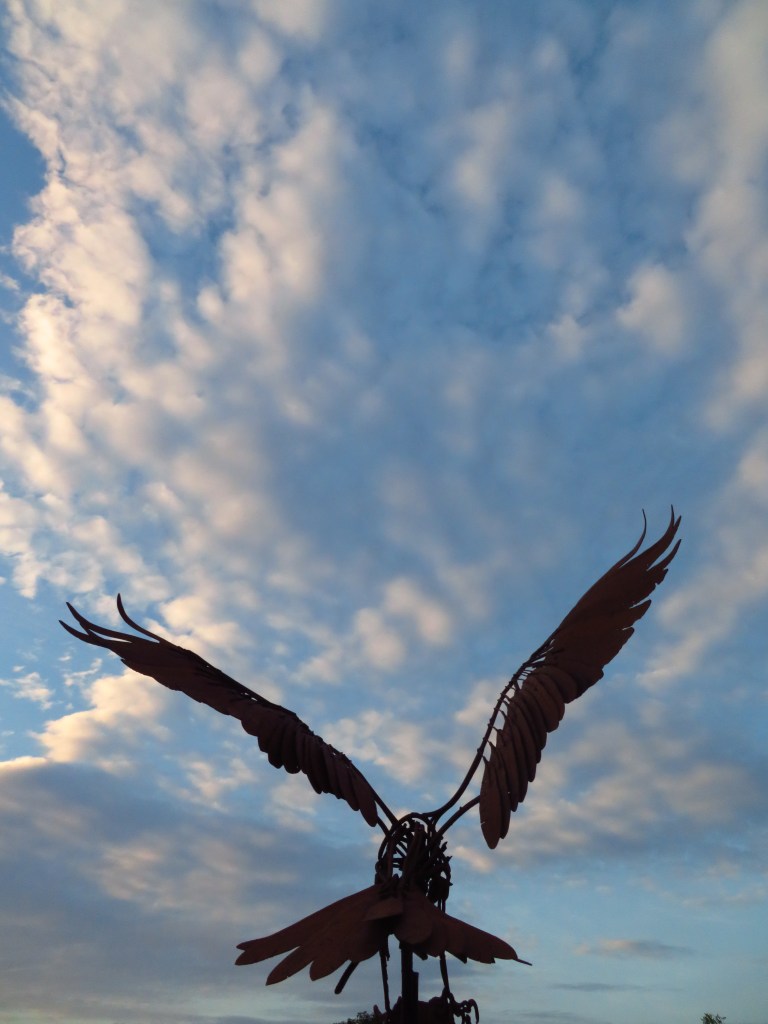
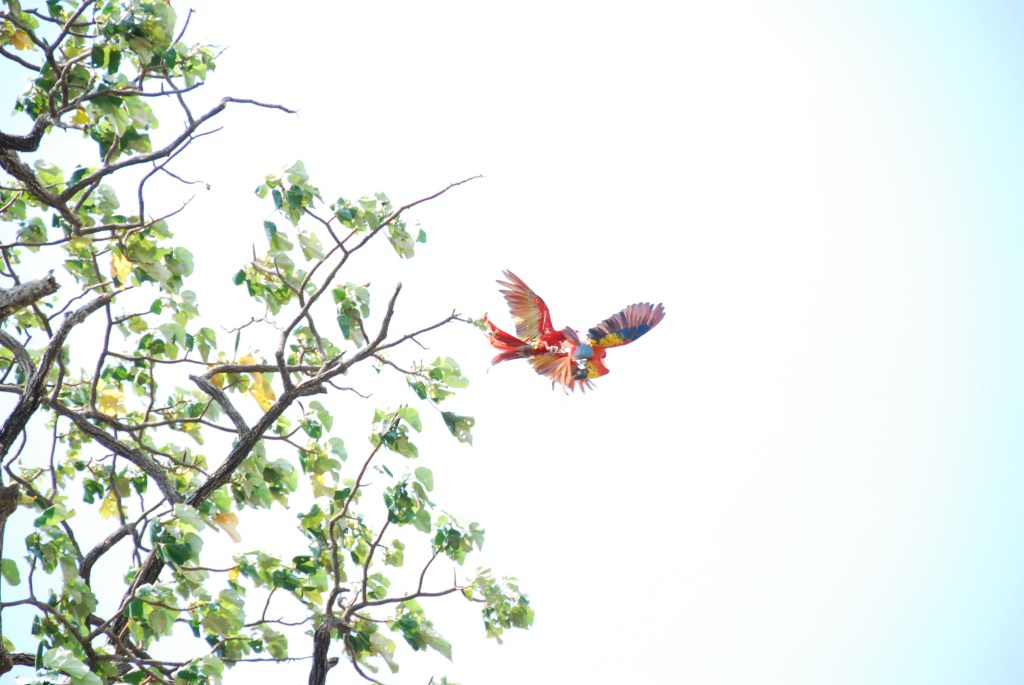
But, like John Hiatt’s red-tailed hawks, it can also mean soaring, not constricted in movement or by gravitational pull. Floating and exploring in wide open spaces. In free flight, not freefall.
Sails and netting unfurling and clouds and banners weaving their way across a cloudless sky. Ribbons of fish. Animals safely roaming.
Unbounded.
Sea lions voguing. Starlings’ murmurations.
Voices carrying, over time and space. In gentle reminders and spirited song and animated discussion.
“Ibis Ascending,” Garden of Peace, Boston, Massachusetts
. . . you are much more than simply dead/ I am a dish for your ashes / I am a fist for your vanished air….
Charles Bukowski, “The Unblinking Grief”
Ten years ago today, at 12:52 p.m., give or take a minute-without-end, the surgeon pointed to a scan I would not have looked at even could I have seen it that far across the windowless white room.
“This is your tumor,” she said to my husband, whose keen eyes would have immediately absorbed the labyrinthine contours of his inoperable pancreatic tumor.
Some of the things he did next, knowing what he knew as as a physician, have puzzled me for most of that decade.
I instantly knew there was no hope: he would certainly die within months, as he did. But at times he seemed to think otherwise.
I now know I had framed and answered the wrong questions.
In the past year I’ve found clues in the strangest places.
******
Garden of Peace
Within a city block in Boston, on two sides of a magnificent courthouse I was drawn to even as a kid–and in which as an adult I have for decades argued to uphold first-degree murder convictions–are two dedicated gardens. Only one contains flowering plants.
The other is made of stone.
I’ve never encountered another soul in either.
The Garden of Hope is dedicated to cancer patients, and to curing cancer. Visiting it makes me feel ineffably sad.
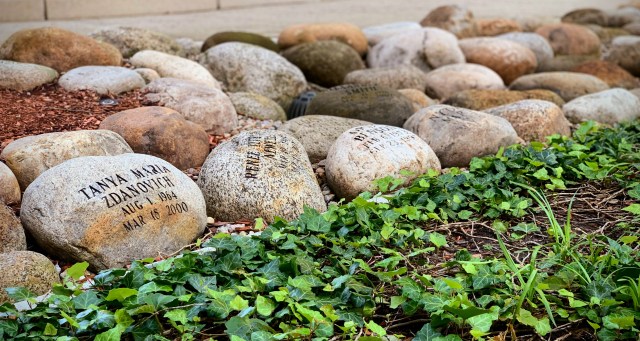
The Garden of Peace is dedicated to homicide victims. Stones are engraved with their names and dates of birth and too-early death. Water circles through from a granite orb, representing the weight of grief resting with victims’ survivors. Visiting it gives me hope.
In the space between them I may have finally come upon some answers.
*****
Within an hour of his out-of-the-blue diagnosis, my outwardly robust, healthy husband sat in the Lahey Clinic’s expansive lobby, reading journal articles on his laptop about pancreatic cancer.
I pressed myself against an outside stone pillar far broader than I, my skin feeling as if it were steaming from the day’s heat, and wept. I, distinctly not a physician, immediately knew there was no hope: he would die, soon. As he did.
He knew exactly what his protein marker levels spelled out. He knew how dire the meetings ahead would be. He knew what the oncologists would say.
I didn’t grasp the medical in-between, but the stand-still second I heard the diagnosis I absolutely knew the end.
When it was time to go back inside and accompany him to a PET scan he closed the laptop screen, calmly looked up at me, and said, “Whatever happens, it looks like I’m going to need an extensive course of chemo.”
Already, I had trouble computing what he was saying. What’s the point, I thought, but did not say.
And I continued puzzling as he subjected himself to ghastly side-effects from twelve-hour infusions of chemotherapy drugs over the rest of the summer. He must have known they wouldn’t help. Nurses were swathed in full PPE so as not to come into contact with the poisons they were injecting into his port, turning his tongue to cotton with which he could not form words, leaving him nauseated and too exhausted to move, sometimes sleeping 20 hours a day, turning his hair white, casting a dark spell that made taking a sip of cold liquid like swallowing broken glass.
I would wander aimlessly around the chemotherapy wing; when not piecing together angel puzzles I would gaze at the same photographs and posts and calendars with something approaching….anger: they were always of and about survivors, always about those who would live. Survivors’ Poker Night, Survivors’ celebratory Banquets. Nighttime meetings for survivors of different types of cancer. Bright ribbons of different colors, but nothing rendered in black.
Nothing for those without hope of “getting well.” There isn’t even a Hallmark card for that.
The physician-patient’s own physicians wouldn’t bring up hospice care. When I mentioned it to his oncologist, he nearly fled the room, murmuring how good my assuredly dying husband still looked. Eventually, during an emergency admission when he had only weeks left, and after I’d made multiple requests to the floor staff for a hospice referral, Jim picked up the phone in his hospital room and referred himself for end-of-life care.
Through this brutal, fruitless treatment, the tumor did not shrink. Its cells had spread to his liver, likely before he had been diagnosed. His pain was indescribable.
Why was he putting himself through this?
By the time November arrived and we were hastened out a Master of the Universe surgeon’s examining room door and into the dark with a dismissive, “Good luck,” even my husband’s human and humane doctors knew no additional course of treatment was to be ventured. He promptly, joyously, planned his dream trip with our children. As he finalized the details he paused. I asked him why.
“I’m wondering if I should get insurance for me.”
Again, my mind, flashing to the $82,000 bill for two vials of a single post-chemotherapy drug, did not compute. “We have insurance.”
“In case I die there.”
In case we had to bring back his body, I then understood. I had to look away.
Uncharacteristically, he briefly balked after computing the final numbers. I voted “no” on trip insurance. He told me how much it would be to take the six of us on the necessarily short-notice last family trip–well over what my paltry public servant’s salary would thereafter allow. “It’s going to cost a lot.”
“Oh yes, we are going,” I heard myself saying. “I can always get a second job later.” We understood what “later” meant.
*******
It was only this winter, nine years after my husband’s death, when I began to understand why I remain so unsettled by the Garden of Hope, yet take solace from the Garden of Peace, which takes death–almost always sudden and violent–as its starting point.
I have far too narrowly understood what hope is, raging against reality and unable to release my own grievance against the universe for not including my husband among those who could ever have hoped to be cured.
I lost hope because I shared that narrow view of it.
Jim never once lost hope; he seamlessly and instantly recalibrated it to whatever reality he encountered.
He was never in denial; he completely accepted not only what he faced, but what we who have to carry on did.
He didn’t sign up for those horrific treatments because he expected to be cured, or even feel any better, but maybe he thought it plausibly could get him just enough time to see one of his children graduate, or move his daughter into her freshman year at the school where he and I met, or climb another mountain, or take photographs of a Darwin Finch. And he did climb that mountain, and he did take those pictures. And as tired as he was, both were glorious.
The recalibration of hope came naturally to him, and is always possible.
This is the tenth Father’s Day that has dawned for my children without their father here with them. This year, they all are also separated from each other, occupying different spaces on two continents.
Seven years have passed since we brought his ashes to billow into an underwater cloud at Northern Ireland’s northernmost point.
And, strangely, it is just four years since my own father died on Father’s Day , after living to teach generations of students and be a grandfather to young adults.
I am a theoretical physicist’s daughter: I understand chaotic progression cannot be undone. But I can’t help feeling the world might seem a little less profoundly disordered were they here now.
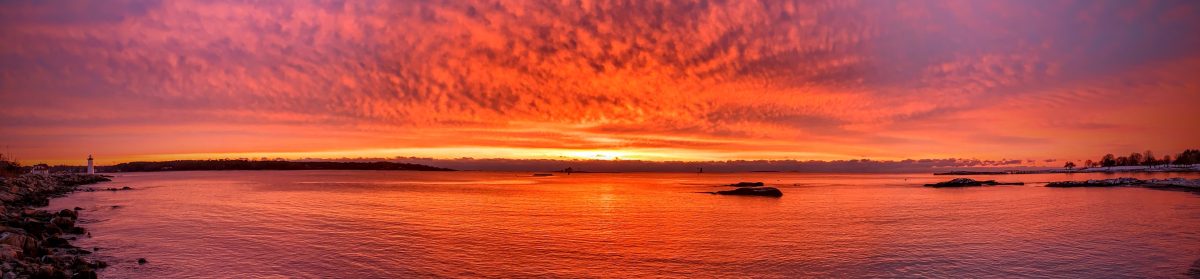
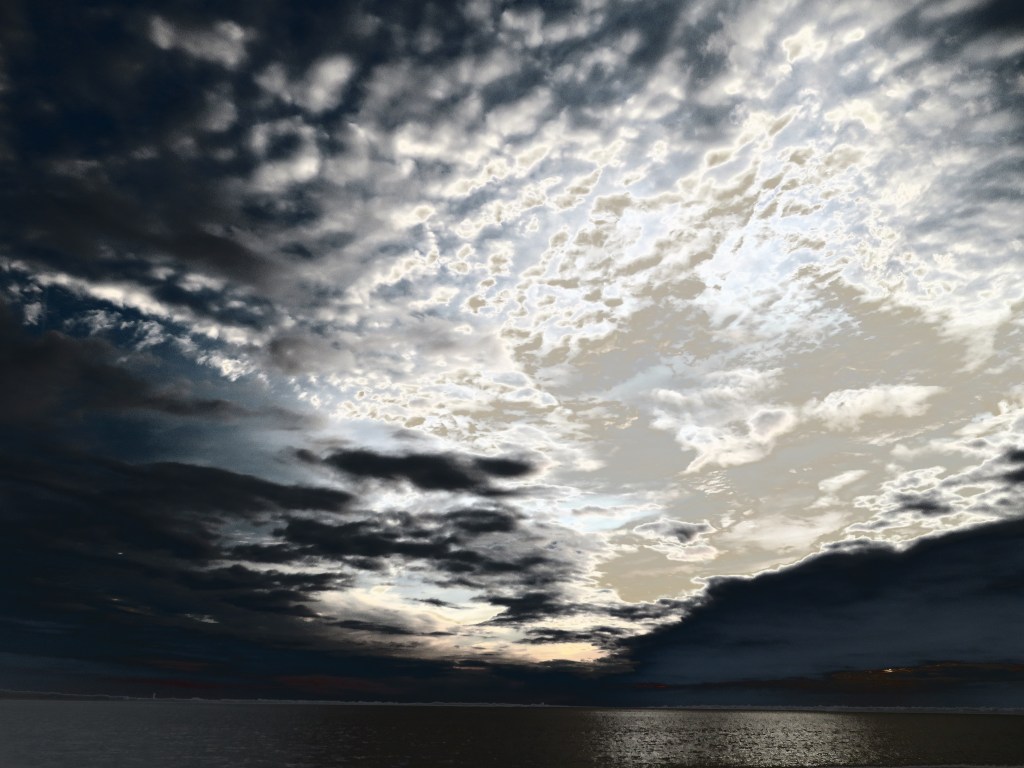
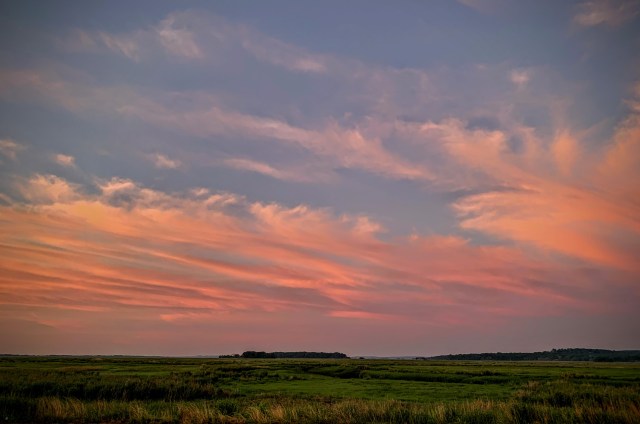
I don’t usually remember to look behind me, but this time I did. The color there was gentle, the clouds swirling and soft, without the hard bright edges of the too-bright-to-behold sun being delivered squalling into the horizon for the day ahead.
Sometimes looking back is uncomplicated and beautiful.











 Love in the Spaces