There’s a certain thrill in clenching a fist at a poker table, before opening it to reveal one chip, two chips, or an empty hand.
Are you betting against the high hands or the low hands? Or are you betting it all on winning both by extracting five of seven cards for the high and a different group of five for the lowest low?
Will you take the whole pot, or nothing?
The possible highs and lows are limited by face-down cards you have not seen, and there’s no reward for anything in-between.
Wherever I’ve found myself in the world, my camera has been poised for the landscape shot. Extended into a panorama, my phone camera actively protests if I do not continuously anchor my shot at the exact midline of whatever’s before me.
The line where there is no up and no down, but just a steady line from West to East.
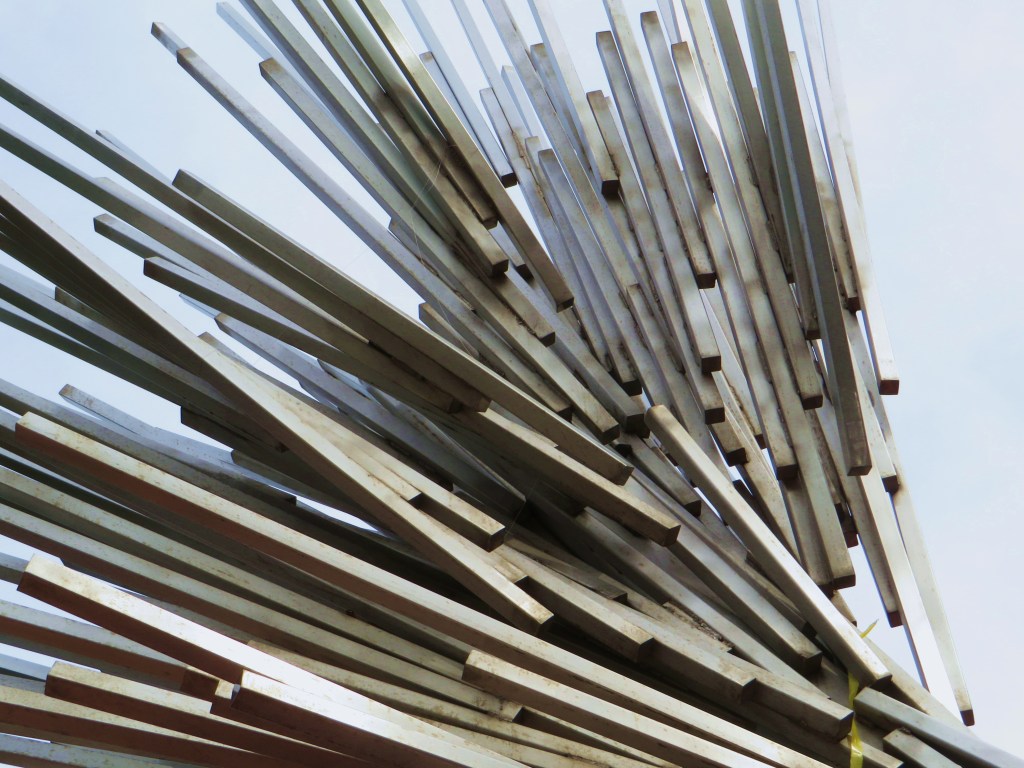
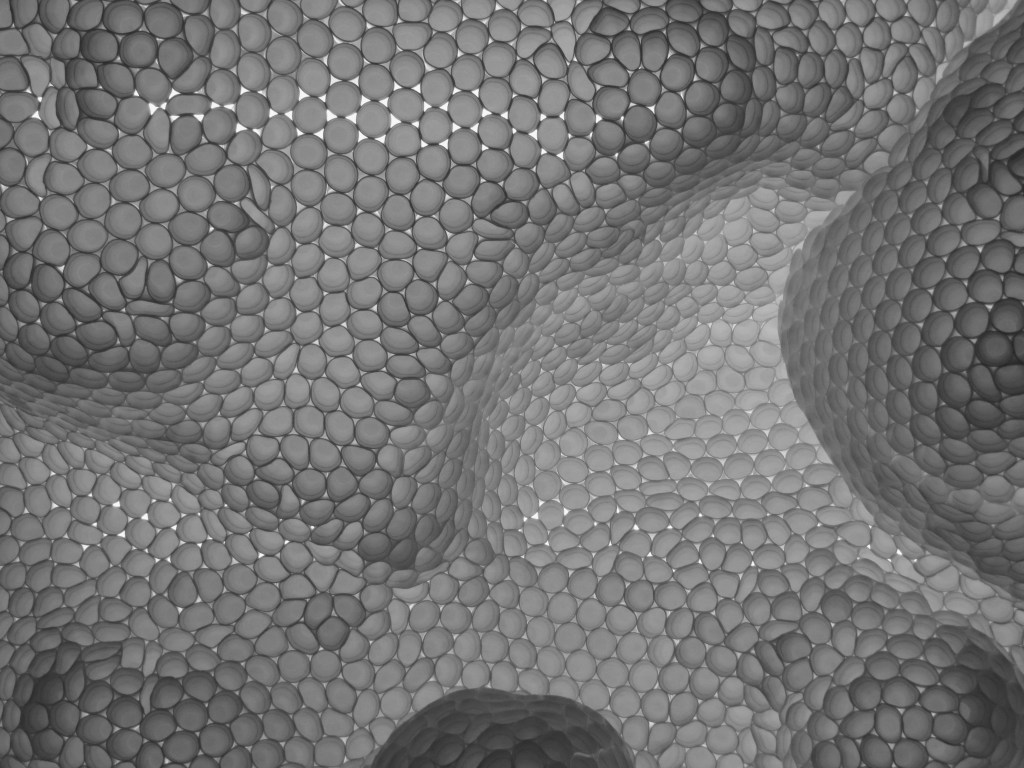
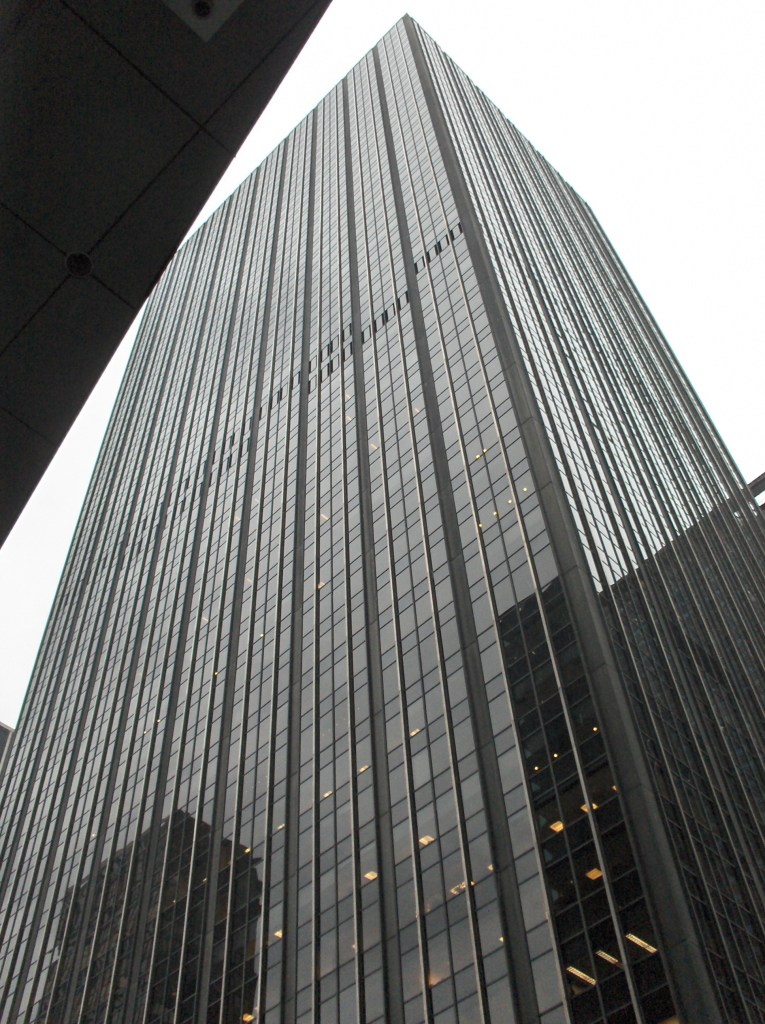
I point up at installation art, architecture, and intra-species imbroglios. I shoot high or down at the earth below my feet, excising external cues so viewers may have no idea what they are seeing, or how it fits into its surroundings. I shoot at reflected images which will never reappear in exactly the same light, color, or form.
The context is gone, so imagination can take over.
Ups and Downs
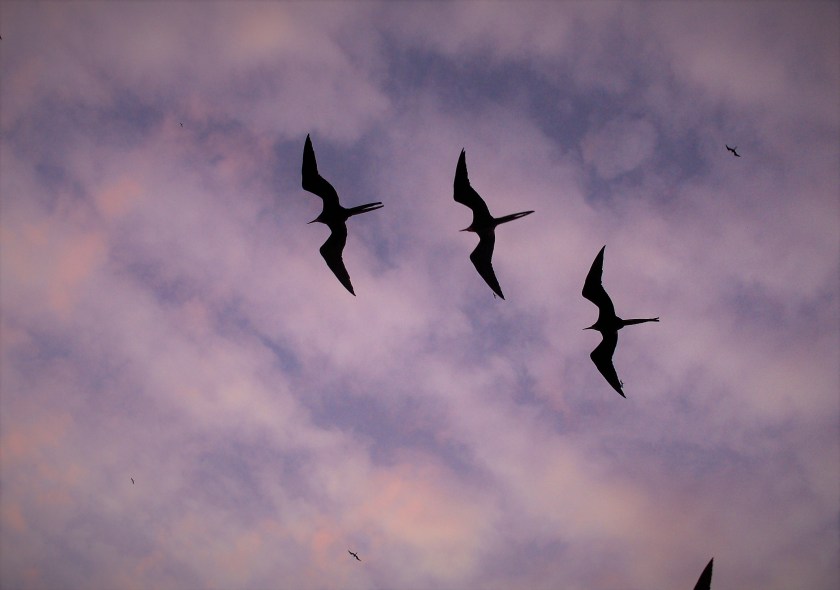
I’ve learned that sometimes, when the surf is so high it drowns out other sounds, and one is poised to click a shutter on another plebian midline Golden Ratio shot, I should pause. Look up and down.
I might find something only fleetingly present, and irreplaceable.
My new friend, Sophie the pup
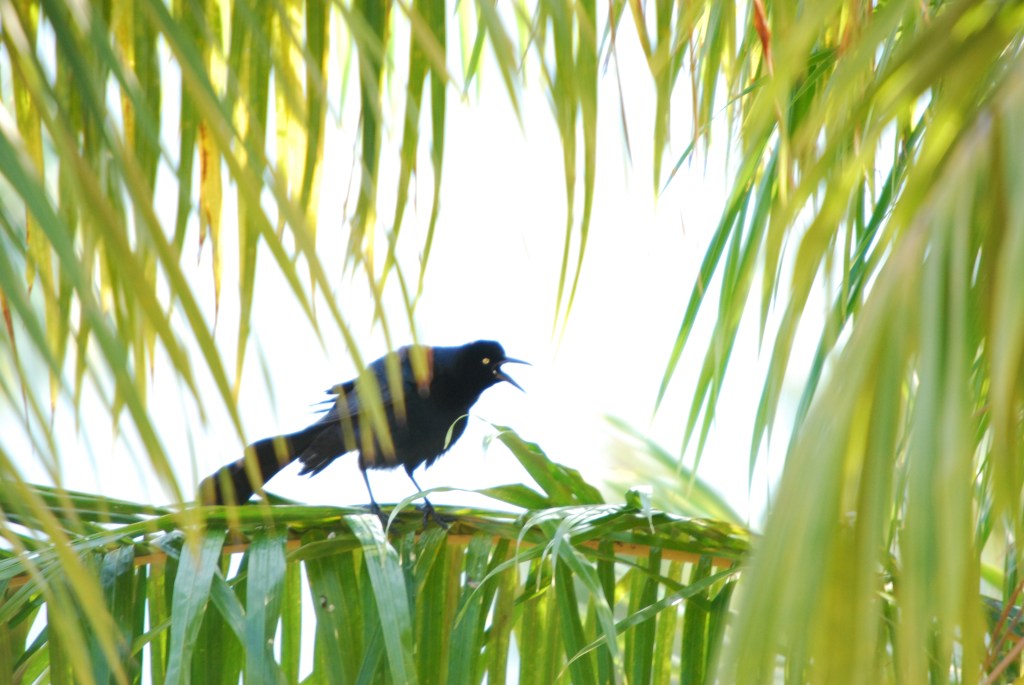
You never know what may flash across the heavens, or have settled quietly at your feet.
I’ve always thought of asymmetry as unstable, and occasionally unsettling. Slightly to dizzyingly off-kilter, like the horizon in an unadjusted quick shot with frozen fingers in sub-zero air. The opposite of symmetrical.
I’m reconsidering that in light of an invitation to consider asymmetry not as imbalanced, but as a different and more complicated kind of balance: “two differing sides that balance each other out.”
Not unlike a second reader, or compatible beagles, or a loving marriage. Asymmetry that brings out the best in both sides.
I may look past a vaguely queasy horizon line, and instead focus on a rocky outcropping turned midnight black to set off a riotously colorful sunrise. The opaque velvet that complements jewels, deepening their use of light to enhance their dazzlingly reflected and refracted cores.
Beneficent balance.
We may find glorious asymmetry over time and space, too–wherever the living and breathing now walk or touch down along (or grow nearby) the paths of beings who occupied them in the sometimes very distant past.
Sometimes the balance shifts. The past is restored or renewed and the present fades by shades into the background.
Old Ironsides, rebuilt and docked in Boston Harbor, where the setting sun blankets the city skyline it obscures. An ancient Spanish Galleon docked within a cobblestone’s throw of a Starbucks housed in an old Captain’s House on Massachusetts’ North Shore. A 19th Century carved Eagle freshened with gold leaf overlooking 21st Century Halloween crowds in Salem. Modern wares for sale in an ancient markets in Fez and Marrakesh. Winding Torii gates in Kyoto, where tourists look up into ancient bamboo forests that seem to converge at a point miles above them.
A single image may involve quite a few balancing acts. Day melting into night. Blazing and muted colors, both reducing to black. Budding and emptying, upright and bowed, fall and winter.
Past and present.
Mountain trials echoing with once-solid weighted steps are now carried with us as we climb alone.
Movers could have unfurled the enormous Persian rug in one of two ways.
Once spread out, it fills more square feet than did our entire first apartment as newlywed grad students.
A symmetrical design falls away in layers from a central medallion reminiscent of a quavering diamond, outlined with both gentle waves and angled peaks. The rug is distinctly in my husband Jim’s calm color palette: gentle golds, russets, and moss greens, with a smattering of milky blue. (I find that I gravitate to riots of color, at least when I surface from grief to come up for air.)
Over the years I have, heel-to-toe, paced these never-ending lines while preparing to argue cases, waiting interminably as my customer service calls were “escalated” up the line, and giving and receiving both good and Very Bad news.
After the not inconsiderable task of unfurling the rug in my newest home–now three full cities and one state distant from its original tenure with us–I saw that the movers’ serendipitous choice of where to deposit it has laid bare its deep flaws.
Some might have discarded this rug many moves ago.
Had it faced the other way, its mutilated corner would have been hidden from view underneath the cream-colored couch (which, of far more recent vintage than the rug, bears only a minor flaw: a sprinkling of puppy teeth marks) .
But now the abraded corner has been splayed for all to see, if they are in the habit of periodically looking down to see where they are going.
Patches of hand-knotted wool have entirely worn away; fringe has thinned to weary threads.
The selvage cannot be salvaged.
The manner of injury was inadvertent; the cause was over-watering (of a potted ficus that towered over me).
The venue was a more modern home, the sun-soaked slightly sunken living room, to be exact.
My husband made very few mistakes in his all too short years, especially when it came to living creatures. But boy, did he over-water that plant.
The water, in turn, seeped through drainage holes in its large clay pot, and into a significant swath of the perfect new rug that was then our most expensive purchase in our years of marriage.
We did not actually notice this until we were almost ready to roll the rug up for a move to the old house he loved so much, where his earthly possessions would remain for me to tend to when we moved the next time, and the next.
The damaged portion is now a tattered island moored to the mainland by its underside, where it seems Jim fashioned a large rectangular dressing from carefully cut adhesive strips of silt-colored paper.
Over the years the adhesive hold has become more tenuous; fissures have developed, revealing ragged shallow ridges of scored, carmelized once-sticky paper which poke through the surface like baleen teeth.
The rug’s measurements are the same, but it is off kilter. Perfect symmetry is a thing of the past. It’s as if only this portion of the rug has aged–badly, in the way too severe a shock robs a body of its power to entirely heal.
Even in the dark, this damage would make itself known by the gentle crinkling sound the paper dressing still makes when a foot or paw treads even lightly upon it.
I have left the rug that way, not simply because it is far too weighty for me to move. It is right at my home’s threshold; if you enter and simply glance down you will see it, cross over its threadbare glory, and perhaps contemplate its story.
It was pristine when it came to us. Jim purchased it after careful appraisal, and with some consternation about the price–more than we had paid for any car we’d purchased, and four times the entire semester’s cash he’d carried as a college freshman–in the dog days of August. Our first baby was in my arms and a welcome breeze came in.
For awhile the rug was the only furnishing in our living room. In the only shaded corner was a large stone fireplace where we posed our perfect baby boy in the tiny Santa suit his Aunt Liz gave him before he was born.
A year later, I sat on it in a room still bereft of furniture , and baby Sam gently patted the belly under which his brother dwelt.
After we had next moved, by then with three preschoolers, we returned to the empty house for one last visit. Our smiling sons sat on the two low wooden steps into the living room, where our seated toddler daughter’s image was reflected in the gleaming wood floor.
I have noticed, only in retrospect, that once we became parents Jim became more of a caretaker to all living, growing things. He brought the ficus home shortly after we brought home our firstborn, and surrounded our homes with bird feeders which he carefully maintained. Over the years he planted and maintained flowers and bushes and trees and grew berries and vegetables he readily sacrificed to wildlife visitors, rather than safeguarding in a way that might endanger critters emerging from surrounding woods. He even enlisted and supervised less complex organisms, tapping maple syrup, tending to sourdough bread starter, and brewing beer.
He maintained bird feeder cities, tending more meticulously to their culinary sensibilities than I ever was capable of when attempting to sate our humans and beagles.
Perhaps it is needless to say I am not such a fan of perfection. Maybe it’s just a chicken and egg proposition, as I have never been close to that mark.
I now have another, far smaller rug that appears to be perfectly symmetrical. I acquired this magic Mughal carpet in Uttar Pradesh, where one of my daughters and I saw such rugs being hand-made. Unlike the damaged rug at my home’s threshold, its asymmetry is well hidden but complete: due to the arrangement of its warp and weft, from one side it is deep sapphire, and from the other a steel blue-gray.
Little in life satisfies the human impulse to see and seek beauty in perfect symmetry. And among what is worth holding on to, few things are unscarred.























 Love in the Spaces